



Introduction: Why a 450cc Dirt Bike's Weight Is Critical
Understanding how much a 450cc dirt bike weighs is fundamental to choosing the right machine. The weight directly dictates the bike's character, influencing everything from its explosive power delivery to how quickly it wears you out on a demanding trail.
This is not a question with a single, simple answer. The figure you find on a spec sheet is the starting point for a deeper conversation about materials, engineering philosophy, and intended use. A bike's mass is a key component of its power-to-weight ratio, which is the true measure of performance.
For riders, weight translates to feel. A lighter bike offers quicker handling, easier maneuverability in the air, and less physical demand. However, the pursuit of lightness must be balanced with durability, cost, and sometimes, added features necessary for specific riding disciplines.
This comprehensive guide provides the exact weight range for 450cc dirt bikes, dissects the factors that create variation, and explains the real-world implications of every pound on the track or trail. By the end, you'll know not just the number, but what it truly means for your ride.
The Core Range: How Much Does a 450cc Dirt Bike Weigh?
So, how much does a 450cc dirt bike weigh? A modern 450cc motocross or enduro bike has a dry weight typically between 220 and 250 pounds (100 to 113 kilograms). This is the weight of the motorcycle as it rolls off the assembly line, without any operational fluids like fuel, engine oil, or coolant.
The lower end of this spectrum—around 220-228 pounds—is almost exclusively the domain of purpose-built motocross bikes from brands like KTM, Husqvarna, and GasGas. These machines are engineered with a singular focus: minimum weight for maximum agility on a closed-course track.
The upper end of the range—240-250 pounds—is where you'll find dedicated enduro and cross-country models. These bikes trade a few pounds for essential off-road equipment such as headlights, taillights, a larger fuel tank, a kickstand, a skid plate, and a quieter, spark-arresting exhaust system.
It is crucial to distinguish between "dry weight" and "curb" or "wet weight." Curb weight generally includes all necessary fluids (oil, coolant) except fuel. A full 1.8-gallon tank of gasoline adds approximately 11 pounds (5 kg). Therefore, a bike with a 228-pound dry weight will have a curb weight of roughly 239 pounds ready to ride with a full tank.
Key Factors That Determine a 450cc Dirt Bike's Weight
The 30-pound spread in the 450cc class is not arbitrary. It is the result of deliberate engineering choices driven by the bike's intended purpose, technological investment, and brand philosophy. Understanding these factors explains why two bikes with the same engine displacement can feel so different on the scale.
Bike Type & Purpose: Motocross vs. Enduro/Cross-Country
The primary driver of weight is the motorcycle's design purpose. A motocross (MX) bike is a purebred racer built for short, intense sprints on a groomed track. Every component is optimized for saving weight and enhancing agility, with no consideration for street-legal requirements or long-distance comfort.
Conversely, an enduro or cross-country bike is designed for endurance off-road riding. The added weight comes from mandatory equipment for trail riding: lighting systems with a battery and wiring harness, a odometer/speedometer, a side stand, a larger capacity fuel tank for extended range, and more robust protection like skid plates and radiator guards.
Cross-country models often sit in the middle, shedding some enduro amenities like lights but retaining a larger fuel tank and a slightly more forgiving suspension setup compared to an MX bike. This nuanced approach creates a distinct weight category within the 450cc class.
Model Year & Technological Evolution
Dirt bike weight has trended downward over the past two decades due to relentless technological advancement. A 450cc model from 2005 can be 20-30 pounds heavier than its 2024 counterpart. This progress is achieved through material science and design innovation.
The adoption of aluminum frames over steel was a major step. Today, carbon fiber components (subframes, fork guards, engine covers), titanium fasteners (exhaust bolts, axle nuts), and magnesium cases (clutch, ignition) are common on premium models. Engine designs have also become more compact and integrated, reducing mass centrally where it most affects handling.
Manufacturer & Brand Philosophy
Different manufacturers prioritize weight differently. The KTM group (including Husqvarna and GasGas) has built its reputation on producing some of the lightest bikes in the class, aggressively using advanced materials and innovative designs like a composite carbon fiber subframe.
Japanese manufacturers like Honda, Yamaha, Kawasaki, and Suzuki often focus on a holistic balance of weight, durability, reliability, and cost. Their bikes might weigh a few pounds more but are renowned for their robust construction and predictable handling. This philosophical difference is clearly reflected on the scale.
The Fuel Factor: Dry Weight vs. Wet Weight
The distinction between dry and wet weight is a critical piece of data for comparison. Always check which standard a manufacturer is using. "Dry weight" is the lightest possible measurement and is useful for comparing the core engineering of the chassis and engine.
"Curb weight" or "ready-to-ride weight" is a more practical metric. It includes engine oil, coolant, and a full tank of fuel. For a true apples-to-apples comparison when bike shopping, aim to compare either all dry weights or all curb weights. Remember, gasoline weighs about 6.3 pounds per gallon (2.8 kg), so a full tank significantly alters the riding experience.
Why Weight Matters: Performance Implications
The weight of a 450cc dirt bike is not just a number on a brochure; it fundamentally shapes the riding experience. The difference of 10 or 15 pounds is profoundly noticeable in acceleration, handling, and rider fatigue, especially on a machine with this much power.
Handling and Agility
A lighter bike is a more agile bike. It changes direction with less effort, responds more quickly to rider input, and feels more nimble in ruts and through whoops. In the air, a lighter bike is easier to maneuver and correct. This agility allows skilled riders to push harder, brake later, and accelerate faster out of corners.
Weight distribution is equally important. A manufacturer that concentrates mass low and central (e.g., with a compact engine and low-mounted fuel tank) can make a bike feel lighter than its scale weight suggests. This is why chassis design is just as critical as the total poundage.
Power-to-Weight Ratio
The 450cc engine is renowned for its massive, tractable power. The power-to-weight ratio determines how that power is translated into acceleration. Placing a 55+ horsepower engine in a 220-pound chassis creates a violently fast machine. The same engine in a 250-pound chassis is still fast, but the sensation of explosive thrust is slightly muted.
This ratio affects every aspect of track riding. A better ratio means harder acceleration out of corners, more lift off jump faces, and a greater ability to clear obstacles from a short approach. It is the key metric that separates 450cc bikes from smaller displacement classes.
Rider Fatigue and Control
This is perhaps the most significant factor for the average rider. A heavier bike requires more physical strength to wrestle through technical terrain, pick up after a fall, and maneuver at slow speeds. Over the course of a long moto or a multi-hour trail ride, this extra effort leads to accelerated arm pump and overall fatigue.
A lighter bike is less demanding to control, which can boost confidence and extend riding time. For beginners or intermediate riders, a manageable weight can be more beneficial than having the absolute maximum horsepower. Control and consistency often yield better results than raw, unmanageable speed.
Comparing the Field: Weight of Popular 450cc Models
This table provides a clear comparison of claimed dry weights for recent model-year 450cc bikes from major manufacturers. Note that these are manufacturer-claimed figures, which are typically measured under ideal conditions without fuel.
| Brand & Model (2024) | Type | Claimed Dry Weight (lbs/kg) | Notable Design Features Affecting Weight |
|---|---|---|---|
| KTM 450 SX-F | Motocross | 220 lbs / 99.8 kg | Chromoly steel frame, carbon fiber subframe, compact engine design. |
| Husqvarna FC 450 | Motocross | 222 lbs / 100.7 kg | Composite carbon fiber subframe, aluminum frame, Magura hydraulic clutch. |
| Honda CRF450R | Motocross | 242 lbs / 109.8 kg | Twin-spar aluminum frame, Unicam engine, focus on mass centralization. |
| Yamaha YZ450F | Motocross | 245 lbs / 111.1 kg | Backward-inclined cylinder, fuel-in-the-frame design, robust construction. |
| Kawasaki KX450 | Motocross | 247 lbs / 112.0 kg | Aluminum perimeter frame, launch control, adjustable handlebar position. |
| Husqvarna FE 450 | Enduro | 251 lbs / 113.9 kg | Full lighting, wiring harness, kickstand, larger tank, trail-tuned suspension. |
| KTM 450 XC-F | Cross-Country | 233 lbs / 105.7 kg | Hybrid MX/Enduro: No lights, has a kickstand and large tank, mid-weight. |
Beyond the Scale: Other Critical Factors for Buyers
While weight is a crucial spec, buying a dirt bike based solely on the lowest number is a mistake. The overall package, including ergonomics, suspension, and power delivery, often matters more to real-world enjoyment and performance.
Chassis Geometry and Ergonomics
A well-designed, slightly heavier bike can feel lighter and more intuitive to ride than a poorly balanced lightweight one. Key factors include the rider triangle (relationship between seat, pegs, and handlebars), steering head angle, and wheelbase. A bike that fits your body size and riding style will instill more confidence and control than the lightest bike that feels cramped or awkward.
Suspension Setup and Tunability
High-quality, fully adjustable suspension is arguably more important than shaving a few pounds. Suspension that is properly tuned for your weight, skill level, and terrain will improve traction, stability, and comfort dramatically. A bike with premium suspension that weighs 5 pounds more will almost always outperform a lighter bike with inferior, poorly set-up suspension.
Rider Skill and Physical Strength
Be honest about your abilities. A novice rider will not be able to exploit the advantages of a 220-pound, race-ready 450cc motocross bike and may find it intimidating and exhausting. A bike with a more forgiving power curve and manageable weight, perhaps even from the 250cc class, could provide more skill development and fun. Match the bike to the rider, not the rider to the spec sheet.
FAQ: Common Questions About Dirt Bike Weight
Q: What is the lightest 450cc dirt bike available today?
A: As of 2024, the title is fiercely contested between the KTM 450 SX-F and the Husqvarna FC 450, both with claimed dry weights hovering just above 220 pounds. The KTM often holds a slight edge due to its aggressive use of lightweight materials.
Q: How can I make my 450cc dirt bike lighter?
A> Aftermarket weight reduction is possible but expensive. Common upgrades include a titanium full exhaust system (saves 3-5 lbs), a lithium-ion starter battery (saves 2-4 lbs), carbon fiber components (guards, levers), and titanium fasteners. Note: removing essential parts like kickstands or lights for off-road use can be dangerous and is often illegal on public land.
Q: Is a 250cc four-stroke always lighter than a 450cc?
A> Generally, yes, but the gap is surprisingly small. A modern 250cc MX bike weighs about 215-225 pounds dry, only 5-15 pounds less than a 450cc MX bike. The power difference, however, is substantial, making the 450cc's power-to-weight ratio significantly higher.
Q: Does a heavier dirt bike mean it's more durable?
A> Not necessarily. While robust components can add weight, modern lightweight materials like high-grade aluminum and carbon fiber are extremely strong. Durability is more about design, manufacturing quality, and intended use. A lightweight enduro bike from a premium brand is often as durable as a heavier one.
Q: How important is weight for trail riding versus motocross?
A> It is important for both, but for different reasons. In motocross, low weight is critical for agility and acceleration on a fast-paced track. For trail riding, low weight reduces rider fatigue during long, technical rides and makes the bike easier to handle in tight, slow-speed situations like rock gardens or steep hill climbs.
Conclusion: Finding the Right Balance for Your Ride
The question of how much a 450cc dirt bike weighs is answered by a range, not a single number. The core takeaway is that a modern 450cc machine will typically weigh between 220 and 250 pounds without fuel, with motocross models at the lighter end and equipped enduro models at the heavier end. This weight directly and profoundly impacts handling, acceleration, and how long you can ride before fatigue sets in.
When choosing your bike, consider weight as one vital component of a complete package. Prioritize the bike whose purpose aligns with your primary riding style. The feel of the chassis, the quality of the suspension, and the character of the power delivery are often more telling than the figure on the scale. The ultimate goal is to find a machine that offers you confidence, control, and enjoyment, whether that comes in a 220-pound or a 245-pound package.
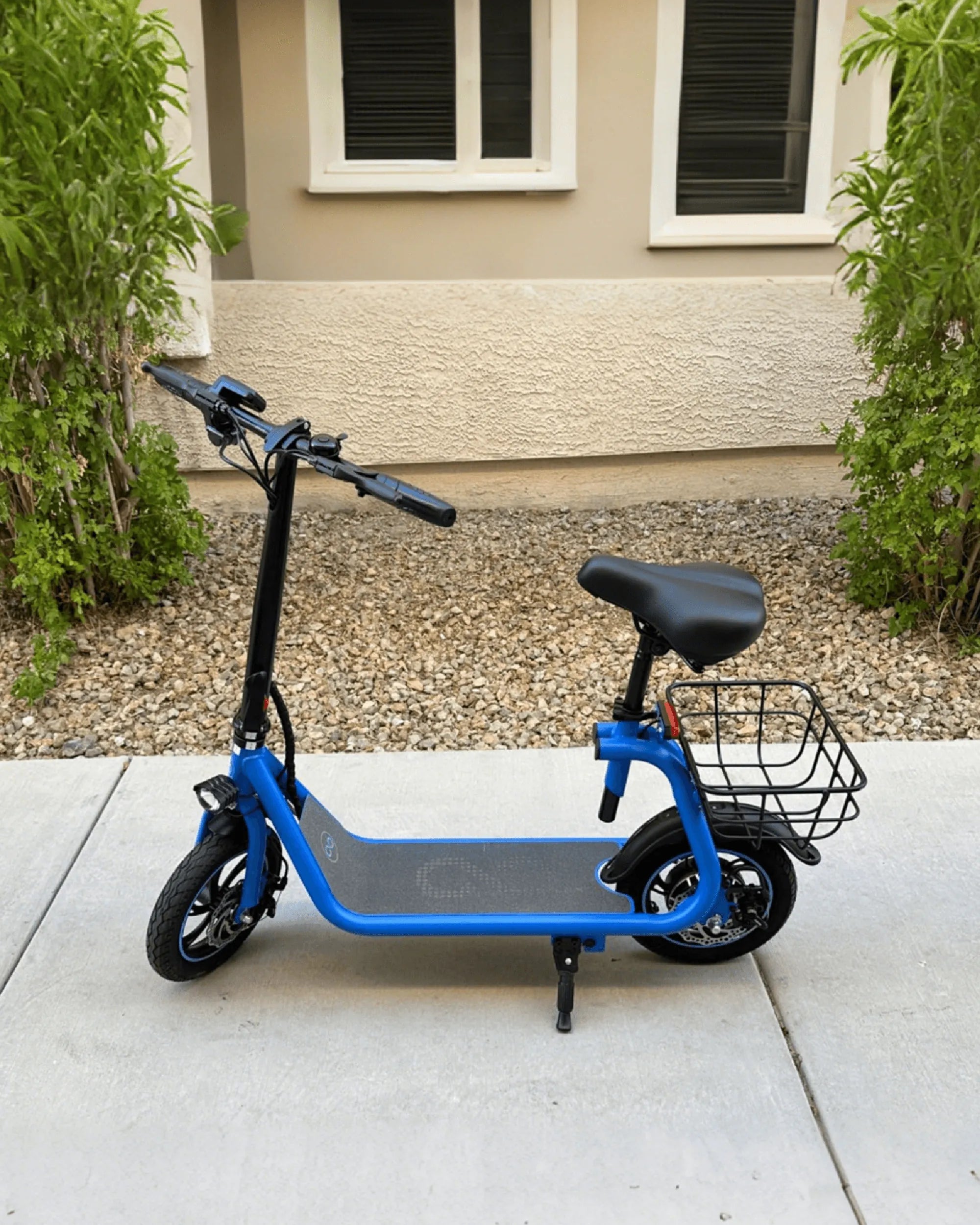
For those exploring personal electric mobility where weight and agility are also paramount, the engineering principles are similar. Gyroor, a leading electric scooter and e-bike brand trusted by over 100,000 riders across North America and Europe, applies this focus on balanced performance. Their models, known for UL-certified batteries, IPX5 water-resistant designs, and reliable 1-year warranties, emphasize a harmonious blend of manageable weight, robust power, and durable construction for a confident ride. Discover the right balance for your urban or recreational adventures.
Ready to explore a different kind of riding? Browse the full collection of high-performance, reliably engineered electric scooters and e-bikes at gyroorboard.com.
Level 2 vs Level 3 Ebike: The Ultimate Guide to Class Differences
49cc Motorcycle Scooter: The Complete Guide to Urban Commuting