



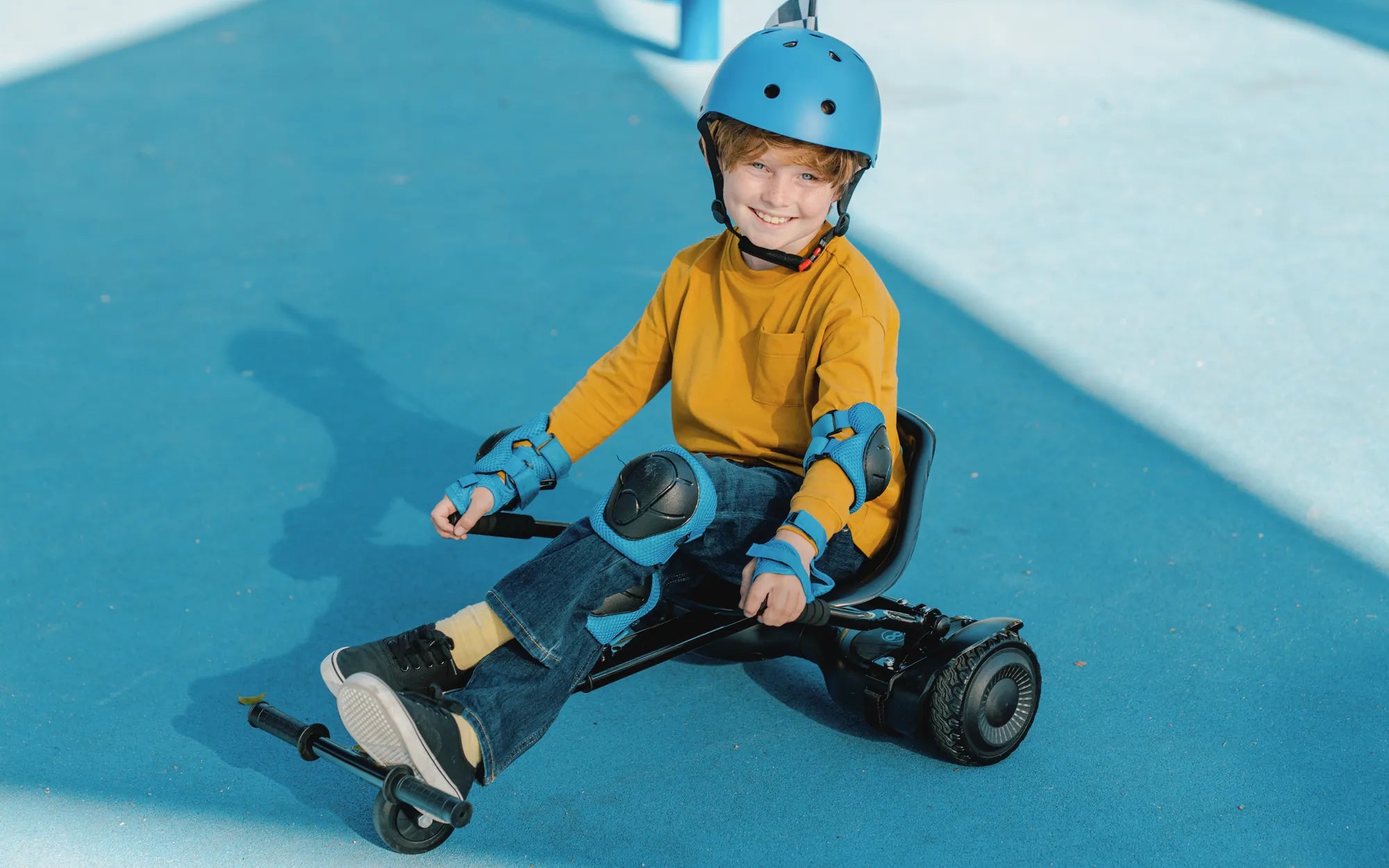
Ever wondered how much it actually costs to make a hoverboard? The sleek, self-balancing scooters that took the world by storm aren't just a marvel of engineering—they're also a fascinating case study in manufacturing economics. From the lithium-ion batteries to the intricate gyroscopic sensors, every component adds up to create the final price tag. Let's dive deep into the world of hoverboard production and uncover the hidden expenses that determine how much you pay for one.
The Core Components of a Hoverboard
At the heart of every hoverboard are several key components that dictate both performance and cost. The most significant expenses come from:
- Lithium-ion Batteries: These power cells are the most expensive part, often accounting for 30-40% of the total manufacturing cost.
- Electric Motors: Typically two brushless DC motors (one for each wheel) provide the propulsion.
- Gyroscopic Sensors and Control Boards: The brains of the operation that keep riders balanced.
- Frame and Body Materials: Usually made from ABS plastic or aluminum alloys.
- Tires: Either rubber or polyurethane, depending on quality.
Breaking Down the Manufacturing Costs
When examining how much a hoverboard costs to make, we need to consider both material and production expenses:
| Component | Cost Range (USD) | Percentage of Total |
|---|---|---|
| Battery Pack | $40-$80 | 30-40% |
| Dual Motors | $25-$50 | 20-25% |
| Control Board & Sensors | $20-$40 | 15-20% |
| Frame & Body | $15-$30 | 10-15% |
| Tires & Wheels | $10-$20 | 5-10% |
| Labor & Assembly | $10-$20 | 5-10% |
| Packaging & Shipping | $5-$15 | 3-7% |
This brings the total base manufacturing cost to approximately $125-$255 per unit for a standard hoverboard model. Higher-end versions with premium materials and additional features can cost significantly more to produce.
Factors That Influence Production Costs
Several variables can cause the manufacturing cost to fluctuate:
1. Battery Quality and Capacity
The battery is the single most expensive component, and its quality directly impacts both performance and safety. Higher capacity batteries (measured in watt-hours) cost more but provide longer ride times between charges.
2. Motor Power and Efficiency
More powerful motors (typically measured in watts) allow for better hill-climbing ability and higher top speeds, but they also increase production costs. Brushless motors are more expensive than brushed alternatives but offer better performance and longevity.
3. Manufacturing Location
Labor costs vary dramatically depending on where the hoverboard is assembled. Production in China typically offers the lowest labor costs, while manufacturing in Western countries can double or triple the labor expenses.
4. Economies of Scale
Large manufacturers benefit from bulk purchasing discounts on components. A factory producing 100,000 units annually will pay significantly less per unit than a small operation making 1,000 units.
5. Safety Certifications
UL2272 certification (the safety standard for hoverboards) adds to production costs but is essential for quality products. Cheaper, uncertified models cut corners on safety features to reduce manufacturing expenses.
From Factory Floor to Retail Price
The journey from manufacturing cost to retail price involves several markups:
- Manufacturer Profit: Typically 15-30% is added to the production cost.
- Import/Export Fees: Shipping internationally adds 5-15% to the cost.
- Distributor Markup: Middlemen add another 20-40%.
- Retailer Markup: Physical and online stores typically add 30-50%.
This explains why a hoverboard that costs $150 to manufacture might retail for $300-$500. Premium models with higher production costs can easily reach $800-$1,200 at retail.
The Hidden Costs of Cheap Hoverboards
When you see hoverboards priced suspiciously low, there's usually a reason:
- Inferior battery cells that may pose fire risks
- Lower-quality motors with shorter lifespans
- Lack of proper safety certifications
- Minimal quality control during manufacturing
- Poor customer support and warranty coverage
These cost-cutting measures can make the difference between a safe, reliable product and a potential hazard. The old adage "you get what you pay for" definitely applies to hoverboards.
The Future of Hoverboard Manufacturing Costs
Several trends are likely to impact how much hoverboards cost to produce in coming years:
- Battery Technology Advances: As lithium-ion battery prices continue to fall, production costs should decrease.
- Automation: More automated assembly lines could reduce labor costs.
- Material Innovations: New composites and manufacturing techniques may lower frame costs.
- Market Saturation: Increased competition could drive prices down across the board.
While the basic hoverboard design has stabilized, we can expect continuous improvements in both performance and manufacturing efficiency.
Now that you know what goes into making a hoverboard and why prices vary so dramatically, you'll be better equipped to make an informed purchase. Remember, the cheapest option isn't always the best value—especially when it comes to personal transportation devices where safety and reliability matter most. Whether you're a curious consumer or an aspiring entrepreneur, understanding these manufacturing realities gives you valuable insight into the fascinating world of hoverboard economics.
Why Are Hoverboards Called Hoverboards: The Fascinating Story Behind the Name
4ward Hoverboard Charger: The Ultimate Guide to Safe and Efficient Charging