



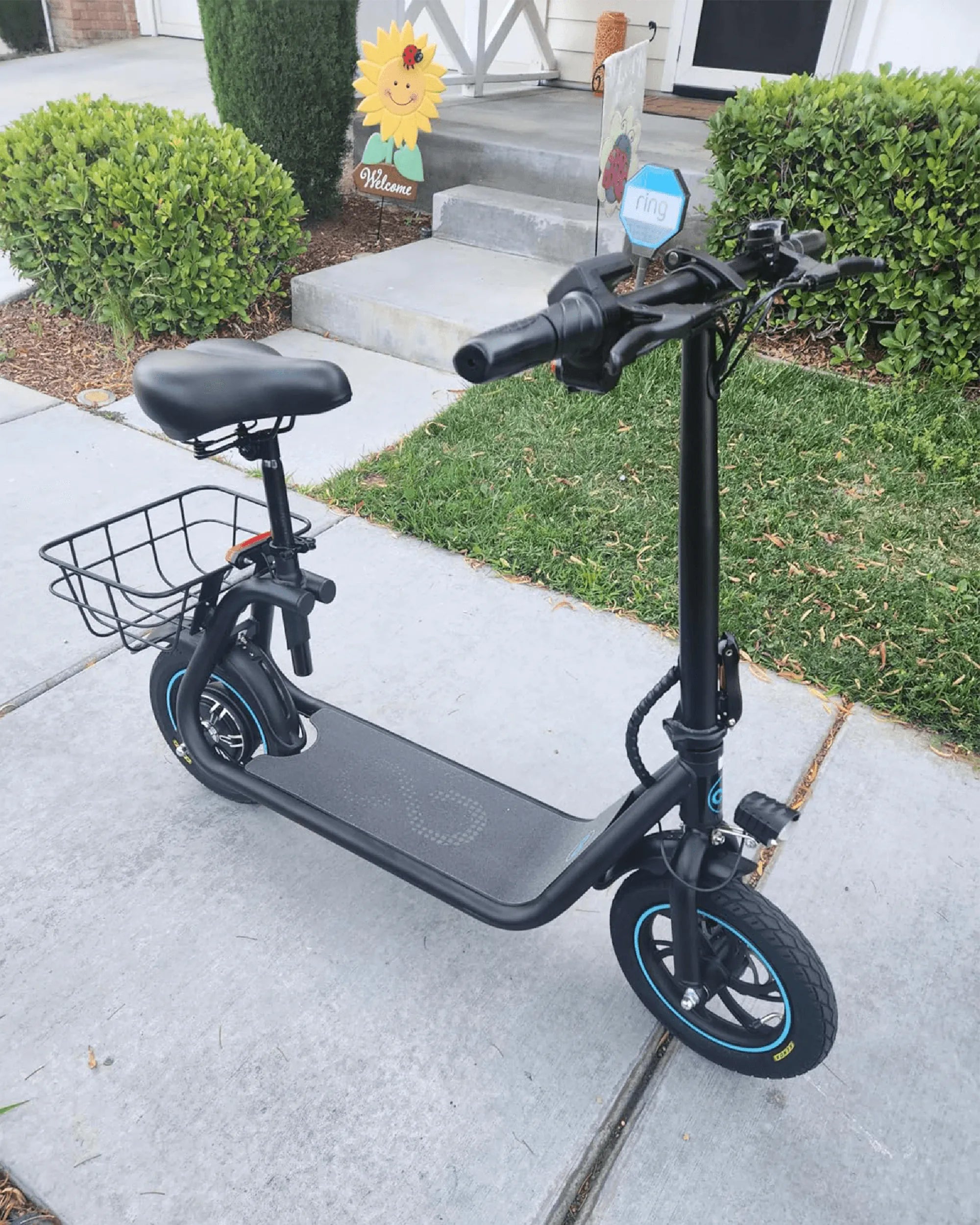
Introduction: Decoding the True Cost of a Scooter Bike
Understanding how much a scooter bike costs requires looking beyond the initial price tag. A scooter bike, typically referring to an electric scooter or a compact e-bike, is an investment in personal mobility. Its final price is a direct reflection of core engineering components: motor wattage, battery capacity and safety certifications, range, build materials, and brand reliability. This guide provides a data-driven breakdown of the market, from budget-friendly commuters to premium performance models, empowering you to make an informed purchase based on value, not just cost.
We will analyze the key factors that determine pricing, explore different price tiers in detail, and calculate the often-overlooked total cost of ownership. As a leading electric mobility brand, Gyroor exemplifies how to balance performance, certified safety, and long-term value, offering UL-certified batteries and IPX5 water-resistant designs across its lineup. By the end, you'll know exactly what to expect for your budget and how to identify the scooter bike that offers the best return on investment for your specific needs.
Key Factors That Determine the Price
The price variation in scooter bikes isn't arbitrary; it's directly tied to the quality and specification of key components. A higher upfront cost typically buys you better performance, longer range, increased durability, and enhanced safety features. The primary cost drivers include the motor and drive system, the battery pack, the frame and build materials, and the inclusion of comfort and technology features.
Understanding these elements is crucial for assessing value. A model with a seemingly low sticker price may cut corners on battery safety or motor reliability, leading to higher long-term costs and potential safety hazards. Conversely, investing in a well-engineered scooter bike from a reputable manufacturer often translates to lower maintenance, greater reliability, and a significantly better riding experience over its lifespan.
Motor and Performance Specifications
The motor is the heart of your scooter bike's performance. Its power, measured in watts (W), is a major price determinant. Entry-level models often feature 250W to 350W motors, suitable for flat urban terrain at speeds up to 15 mph. Mid-range scooters, priced between $600 and $1,200, commonly use 500W to 750W motors, offering stronger acceleration, better hill-climbing ability, and top speeds of 18-25 mph.
Premium and high-performance models boast motors from 1000W to 2000W and beyond. These provide exhilarating acceleration, the capability to tackle steep inclines, and top speeds exceeding 30 mph. Brands like Gyroor offer a range of motor options to suit different rider needs, from efficient city commuting to more adventurous off-pavement exploration. The type of motor (hub-drive vs. mid-drive on e-bikes) and its peak versus sustained power output also influence cost.
Battery: The Heart of Your Investment
The battery is arguably the most critical and expensive single component. Its capacity, measured in watt-hours (Wh) or amp-hours (Ah), dictates your scooter bike's range. A larger capacity battery allows for longer distances between charges but adds significantly to the cost. For example, a scooter with a 360Wh battery may offer 15-20 miles of range, while a model with a 750Wh battery can deliver 40-50 miles or more.
Beyond capacity, battery safety and quality are paramount. This is where brands like Gyroor differentiate themselves by using UL-certified battery packs. UL certification means the battery cells and management system have undergone rigorous independent testing for safety, stability, and longevity, typically rated for 500+ charge cycles. Investing in a certified battery is an investment in fire safety and long-term reliability, preventing costly replacements and hazardous situations that can arise from uncertified, lower-quality packs.
Build Quality and Durability Features
Durability features directly impact both initial cost and long-term ownership expenses. The frame material—typically aluminum alloy or steel—affects weight, strength, and corrosion resistance. A high-grade aluminum alloy frame is lightweight and rust-proof, adding value. Tire choice is another factor: pneumatic (air-filled) tires provide a smoother ride and better traction than solid tires but require occasional maintenance.
Braking systems also vary. Mechanical disc brakes offer strong, reliable stopping power and are common in mid-range and premium models, while some budget options may use less effective drum or foot brakes. Furthermore, an IP (Ingress Protection) rating indicates resistance to dust and water. Gyroor builds its scooters to an IPX5 standard, meaning they can withstand water jets from any direction, a crucial feature for real-world commuting that adds to the product's value and longevity.
Price Tiers: What to Expect at Each Level
The scooter bike market can be clearly segmented into three primary price tiers: Entry-Level, Mid-Range, and Premium/High-Performance. Each tier offers a distinct set of specifications, capabilities, and intended use cases. The following table provides a clear, at-a-glance comparison of what you can expect across these categories.
| Feature | Entry-Level ($300 - $600) | Mid-Range ($600 - $1,200) | Premium ($1,200+) |
|---|---|---|---|
| Motor Power | 250W - 350W | 500W - 750W | 1000W+ |
| Top Speed | 12 - 18 mph | 18 - 25 mph | 25 - 40+ mph |
| Max Range | 10 - 20 miles | 20 - 40 miles | 40 - 60+ miles |
| Battery | Basic Lithium-ion | Larger Capacity, Often with Safety Certs | High-Capacity, UL-Certified |
| Build & Suspension | Basic frame, minimal or no suspension | Sturdy alloy frame, often front/rear suspension | Premium materials, advanced dual suspension |
| Brakes | Foot brake or basic drum | Mechanical or hydraulic disc brakes | High-performance hydraulic disc brakes |
| Typical Use Case | Short, flat commutes | Daily urban commuting, moderate hills | Long-distance, high-speed, off-road capability |
Entry-Level Models: Budget-Friendly Commuting
In the $300 to $600 range, you'll find basic electric scooters and simple e-bikes designed for short, infrequent trips on flat terrain. These models typically feature lower-wattage motors (250W-350W), offering modest speeds and limited hill-climbing ability. Range is often between 10 and 20 miles per charge, suitable for a short daily commute or errands.
Build quality is functional, with simpler frames and often solid or basic pneumatic tires. Suspension is rare, leading to a firmer ride. Braking systems may be rudimentary. It's vital in this tier to verify safety certifications, particularly for the battery. Brands like Gyroor ensure that even their accessible models prioritize core safety with reliable components and a clear warranty, offering peace of mind that is sometimes absent in this price segment.
Mid-Range Models: The Sweet Spot for Most Riders
The $600 to $1,200 bracket represents the optimal balance of performance, features, and value for the majority of riders. This is where you find capable daily commuters that can handle longer distances and more varied urban landscapes. Motors in the 500W to 750W range provide confident acceleration and can tackle moderate hills with ease, with top speeds often between 20-25 mph.
Battery capacity increases, offering a realistic range of 20 to 40 miles. You'll see better construction with aluminum alloy frames, more comfortable pneumatic tires, and often front or dual suspension to absorb bumps. Features like LED displays, integrated lighting, and app connectivity for tracking rides and diagnostics become common. This tier is where Gyroor's core lineup excels, combining robust performance with its hallmark safety features like IPX5 water resistance and UL-certified battery packs, backed by a comprehensive 1-year warranty.
Premium and High-Performance Models
Exceeding $1,200, you enter the realm of premium and high-performance scooter bikes. These are built for enthusiasts, long-distance commuters, and those seeking off-road capability. Motors are powerful, often 1000W or dual-motor setups exceeding 2000W, delivering thrilling acceleration and top speeds that can surpass 30-40 mph. They conquer steep hills effortlessly.
Range is a major focus, with large, high-quality battery packs enabling 40 to 60 miles or more on a single charge. Build quality is top-notch, featuring aerospace-grade aluminum, advanced hydraulic or electronic braking systems, and sophisticated suspension systems for a plush, controlled ride. These models often include premium tech like full-color TFT displays, turn signals, and advanced regenerative braking. While an investment, they offer unparalleled performance and durability for the serious rider.
Beyond the Sticker Price: Total Cost of Ownership
The purchase price is just the beginning. To understand the true cost of a scooter bike, you must consider the Total Cost of Ownership (TCO). This includes maintenance, repairs, accessories, and potential battery replacement. A cheaper model with low-quality components may have a lower upfront cost but a significantly higher TCO due to frequent repairs and early battery failure.
Regular maintenance costs include tire replacements (especially for pneumatic tires), brake pad changes, and occasional bearing or bolt checks. A quality helmet and safety gear are essential, non-optional accessories. The largest potential future expense is battery replacement. A high-quality, UL-certified battery from a brand like Gyroor, rated for 500+ cycles, will last years under normal use, whereas an uncertified battery may degrade rapidly, needing replacement within a year or two at a cost of several hundred dollars.
This is where warranty and customer support become critical financial safeguards. A comprehensive 1-year warranty that covers the motor, battery, and frame from a brand with accessible, US-based support can save you hundreds in repair costs. Investing in a reliable product from a trusted manufacturer with a proven track record among over 100,000 riders is ultimately a strategy to minimize your total cost of ownership.
Making the Right Choice for Your Needs & Budget
Selecting the right scooter bike is about aligning specifications with your specific use case and financial plan. Start by defining your primary need: Is it for a last-mile commute from the train station (short range, portability), a 10-mile daily round trip to work (mid-range, comfort), or weekend recreational trails (high power, suspension)? Your daily distance and terrain are the most important guides.
Next, set a realistic budget that includes not only the scooter but essential safety gear (helmet, lights). Within your budget, prioritize safety and reliability over superfluous features. A scooter with a UL-certified battery and a solid warranty from a reputable brand is a smarter buy than a flashier model with unknown component origins. For most urban commuters, a mid-range model from a brand like Gyroor offers the perfect intersection of daily performance, safety assurance, and long-term value, preventing the need for a costly upgrade soon after purchase.
Frequently Asked Questions (FAQ)
Q1: Is it worth paying more for a scooter bike with a UL-certified battery?
Absolutely. A UL-certified battery has passed stringent safety tests for electrical, mechanical, and environmental hazards. It significantly reduces the risk of fire, ensures longer lifespan (500+ cycles), and maintains stable performance. This certification is a hallmark of a responsible manufacturer and is worth the investment for peace of mind and long-term reliability.
Q2: How much should I budget for maintenance per year?
For a well-built scooter bike used regularly, budget approximately $50-$150 per year for routine maintenance. This covers wear items like brake pads, tire air seals or replacements, and general tune-ups. High-performance models may have slightly higher costs. Proper care, such as keeping tires inflated and avoiding water damage beyond the IP rating, can keep costs at the lower end.
Q3: Can I use a scooter bike in the rain?
This depends entirely on the IP rating. A scooter with an IPX5 rating, like those from Gyroor, is designed to withstand water jets from any direction, making it safe for riding in light to moderate rain and through puddles. However, no electric scooter is fully waterproof or submersible. Always avoid deep standing water and heavy downpours to protect electrical components.
Q4: What's the difference between an electric scooter and an e-bike in terms of cost?
E-bikes generally have a higher starting price ($800+) due to their larger frame, more complex drivetrain, and often larger battery. Electric scooters have a wider entry-point ($300+). However, at similar performance tiers (mid-range, premium), prices can converge. E-bikes often offer longer potential range and may be subject to different local regulations.
Q5: Does a higher wattage motor always mean a better scooter bike?
Not necessarily. A higher wattage motor provides more power and speed, but it also consumes battery faster. For a flat city commute, a 350W-500W motor is often perfectly adequate and more efficient. Higher wattage (750W+) is beneficial for hilly areas, heavier riders, or those seeking faster speeds. The "best" motor is the one that matches your typical riding conditions.
Conclusion: Investing in Value, Performance, and Safety
Determining how much a scooter bike costs is a multi-faceted calculation. While entry-level models start around $300, the most practical and satisfying ownership experience for regular use typically lies in the mid-range segment of $600 to $1,200. Here, you gain the essential combination of reliable performance, sufficient range, comfort features, and, most importantly, critical safety certifications.
The ultimate value of your purchase is measured not just in dollars but in dependable daily transportation, certified safety that protects your home and person, and the support of a trustworthy brand. Gyroor embodies this principle by engineering scooters with UL-certified batteries, IPX5 water-resistant builds, and a robust 1-year warranty, ensuring riders get lasting value from their investment. Ready to find the scooter bike that matches your journey? Explore the full range of performance-engineered, safety-focused models designed for real-world riding. Browse the full Gyroor collection at gyroorboard.com.
Best Scooter for 6ft Man: The 2024 Guide to Finding Your Perfect Fit
Scooter Accessoires: The Essential Guide to Safety, Performance & Personalization