

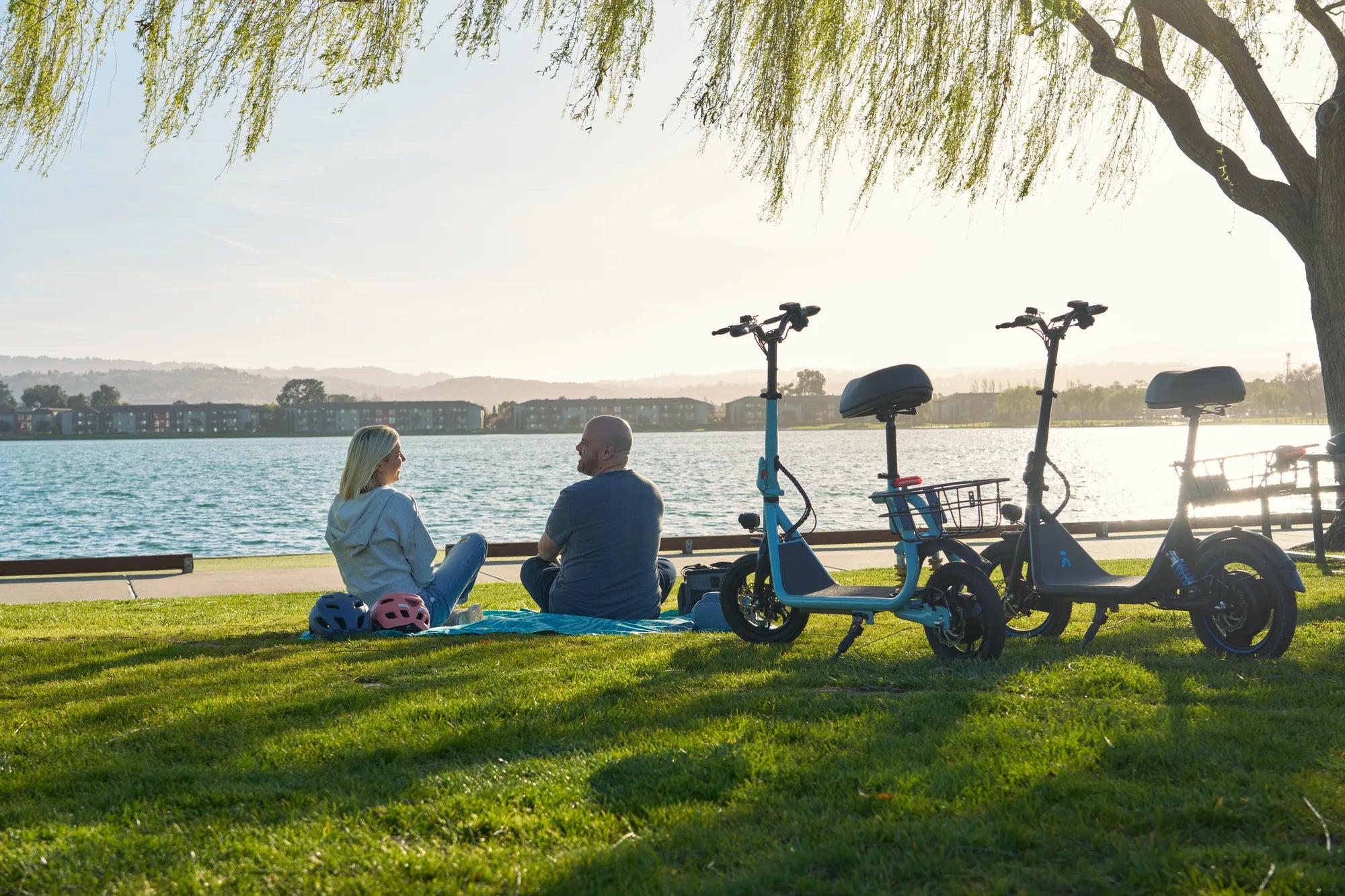
If you're considering buying an e-bike, one of the most common questions you might have is: how much does an e-bike weigh? Unlike traditional bicycles, e-bikes come with additional components like motors and batteries, which can significantly impact their overall weight. Understanding e-bike weight is crucial because it affects everything from ride comfort to portability and performance. Let’s dive into the details to help you make an informed decision.
Factors That Influence E-Bike Weight
Several key components contribute to the total weight of an e-bike. Here’s a breakdown of the most significant factors:
1. Frame Material
The frame is the backbone of any bicycle, and its material plays a major role in determining weight. Common materials include:
- Aluminum: Lightweight and affordable, aluminum frames are popular for mid-range e-bikes.
- Carbon Fiber: Extremely lightweight and strong but comes at a higher cost.
- Steel: Durable and absorbs vibrations well but adds significant weight.
2. Battery Size and Capacity
The battery is one of the heaviest components of an e-bike. Larger batteries with higher capacity (measured in watt-hours) provide longer range but also add more weight. A typical e-bike battery can weigh anywhere from 5 to 10 pounds (2.3 to 4.5 kg).
3. Motor Type and Power
E-bike motors vary in weight depending on their power output and placement:
- Hub Motors: Located in the wheel hub, these are generally lighter but may lack torque.
- Mid-Drive Motors: Positioned near the pedals, these are heavier but offer better balance and efficiency.
4. Additional Features
Extras like suspension systems, cargo racks, and integrated lights can also add to the total weight. If you prioritize a lightweight e-bike, consider opting for minimalistic designs.
Average Weight Ranges for Different E-Bike Types
E-bikes come in various styles, each with its own typical weight range:
- Commuter E-Bikes: 40-60 lbs (18-27 kg)
- Mountain E-Bikes: 45-70 lbs (20-32 kg)
- Folding E-Bikes: 30-50 lbs (14-23 kg)
- Cargo E-Bikes: 60-100 lbs (27-45 kg)
How Weight Affects Performance
While a heavier e-bike may feel more stable, it can also impact:
- Battery Life: More weight requires more power, reducing range.
- Maneuverability: Lighter e-bikes are easier to handle, especially on hills.
- Portability: If you need to carry your e-bike upstairs or onto public transport, weight matters.
Tips for Choosing the Right Weight
To find the perfect balance, consider your primary use case:
- For Commuting: Aim for a lighter model (under 50 lbs) for easy handling.
- For Off-Roading: A slightly heavier bike with robust suspension may be preferable.
- For Cargo Hauling: Prioritize stability over weight savings.
Ultimately, the ideal e-bike weight depends on your needs and preferences. Whether you prioritize speed, comfort, or convenience, understanding how much an e-bike weighs will help you make the best choice for your lifestyle.
Ready to find your perfect e-bike? Now that you know what to look for, you’re one step closer to hitting the road with confidence!
72V 20Ah Ebike Battery: The Ultimate Guide to Power and Performance
Avg Bike Speed: How Fast Can You Really Go on Two Wheels?