

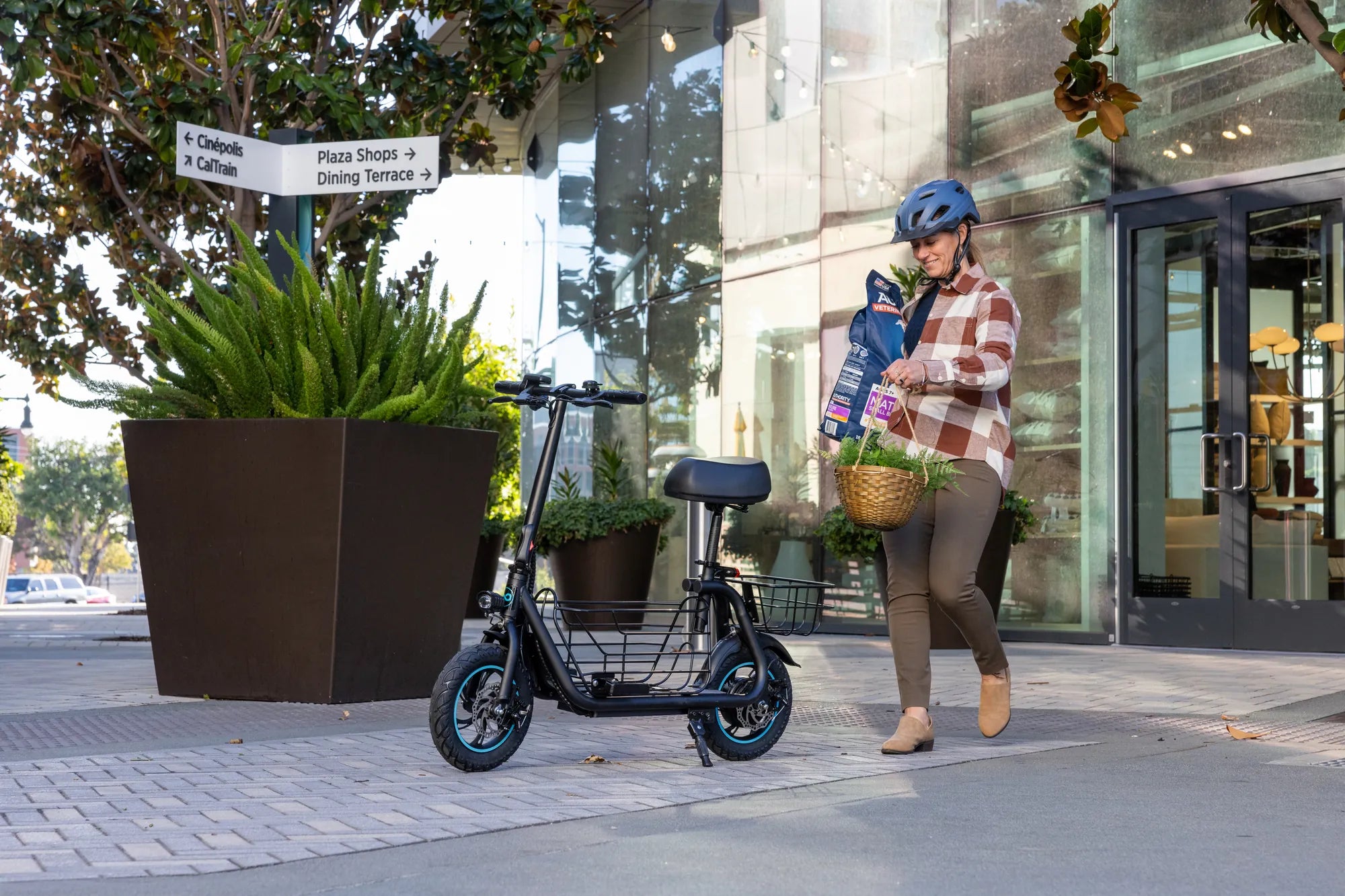
Electric scooters have become a popular mode of transportation, offering convenience and eco-friendliness. But one question lingers in the minds of riders: how much does charging an electric scooter cost? The answer isn’t as straightforward as you might think. From battery capacity to electricity rates, several factors determine the final expense. Let’s break it down.
Understanding Electric Scooter Charging Costs
To calculate the cost of charging an electric scooter, you need to consider three primary factors:
- Battery Capacity: Measured in watt-hours (Wh), this indicates how much energy the battery can store.
- Electricity Rate: The cost per kilowatt-hour (kWh) charged by your utility provider.
- Charging Efficiency: Energy loss during charging can slightly increase costs.
For example, if your scooter has a 250Wh battery and your electricity rate is $0.15 per kWh, a full charge would cost:
(250Wh / 1000) * $0.15 = $0.0375 per charge
That’s less than 4 cents for a full charge! But let’s dive deeper.
Factors That Influence Charging Costs
1. Battery Size and Efficiency
Larger batteries store more energy but also take longer to charge. A 500Wh battery will cost roughly double that of a 250Wh battery under the same electricity rate. However, newer models with efficient power management may reduce energy waste.
2. Local Electricity Rates
Electricity costs vary by region. In some areas, rates can be as low as $0.10 per kWh, while others exceed $0.30. Check your utility bill to determine your exact rate.
3. Charging Frequency
If you ride daily, you’ll charge more often, increasing your monthly expenses. However, even with daily use, the total cost remains minimal compared to gas-powered alternatives.
4. Charger Efficiency
Not all chargers are created equal. Some lose more energy as heat, slightly increasing costs. Opting for a high-efficiency charger can help minimize waste.
Comparing Costs to Other Transportation Methods
When stacked against cars or motorcycles, electric scooters are incredibly cost-effective. A gallon of gasoline costs far more than multiple scooter charges, not to mention maintenance savings.
| Transportation Method | Cost per Mile |
|---|---|
| Electric Scooter | ~$0.01 |
| Gasoline Car | ~$0.15 |
| Public Transit | ~$0.25 per trip |
Tips to Reduce Charging Costs
Want to save even more? Follow these tips:
- Charge During Off-Peak Hours: Some utility companies offer lower rates at night.
- Maintain Your Battery: Proper care extends battery life, reducing replacement costs.
- Use Regenerative Braking: Some scooters recover energy while braking, improving efficiency.
Real-World Cost Examples
Let’s look at two scenarios:
- Light User: Charges twice a week (8 times/month). At $0.0375 per charge, monthly cost: $0.30.
- Heavy User: Charges daily (30 times/month). Monthly cost: $1.13.
Even for frequent riders, the expense is negligible.
Environmental Impact vs. Cost
Beyond saving money, electric scooters reduce carbon emissions. A single charge consumes minimal energy compared to fossil fuel vehicles, making them a sustainable choice.
So, how much does charging an electric scooter cost? The answer is clear: pennies per charge. With such low expenses, it’s no wonder more people are ditching gas guzzlers for this eco-friendly alternative. Whether you’re a daily commuter or a weekend rider, the savings add up—both for your wallet and the planet.
Kicking Horse Mountain Resort Mountain Biking: An Unforgettable Adventure Awaits
Pure Electric Scooter Max Speed: The Ultimate Guide to Performance and Efficiency