



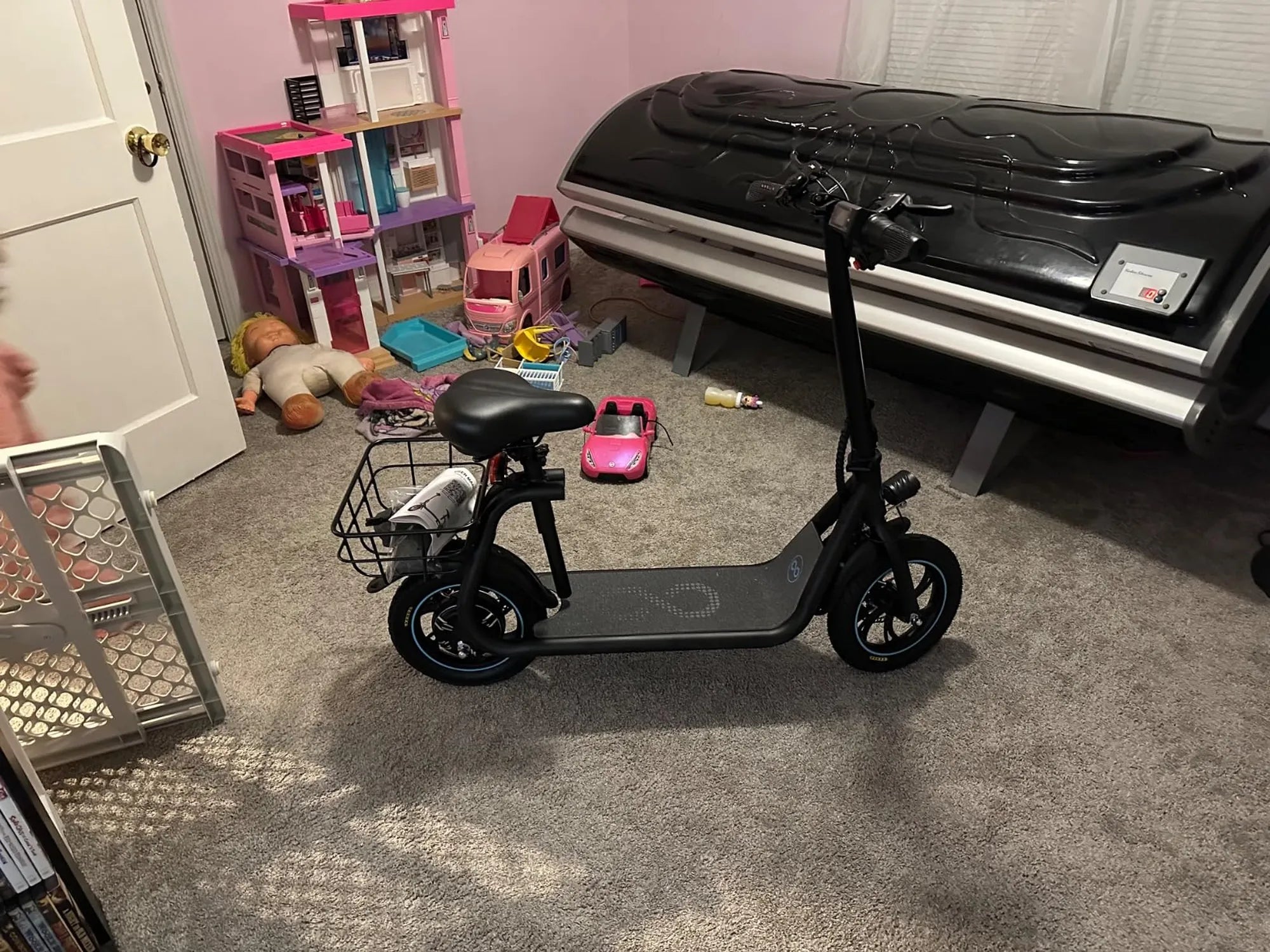
Electric bikes have surged in popularity, offering an eco-friendly and efficient way to commute, exercise, or simply enjoy the outdoors. But one question lingers in the minds of potential buyers: how much electric bike cost? The answer isn’t straightforward, as prices vary widely based on features, quality, and intended use. Whether you’re a budget-conscious shopper or seeking premium performance, understanding the pricing landscape will help you make an informed decision.
Factors That Influence Electric Bike Prices
Several key factors determine the cost of an electric bike. Here’s a breakdown of what you should consider:
- Motor Power: Higher wattage motors provide better performance but come at a premium.
- Battery Capacity: Larger batteries offer longer ranges but increase the price.
- Frame Material: Aluminum frames are affordable, while carbon fiber is lightweight and expensive.
- Brand Reputation: Established brands often charge more for reliability and customer support.
- Additional Features: Extras like suspension, smart displays, and integrated lights add to the cost.
Electric Bike Price Ranges
Electric bikes can be categorized into three main price tiers:
Budget-Friendly Options ($500 - $1,500)
Entry-level e-bikes are ideal for casual riders or those on a tight budget. These models typically feature basic motors, smaller batteries, and simpler designs. While they may lack advanced features, they still provide a reliable electric assist for short commutes or leisurely rides.
Mid-Range Models ($1,500 - $3,500)
Mid-range e-bikes strike a balance between affordability and performance. Expect better build quality, longer battery life, and more powerful motors. These bikes are suitable for daily commuting, light off-roading, or fitness enthusiasts who want a boost.
Premium E-Bikes ($3,500 and Up)
High-end electric bikes offer top-tier components, cutting-edge technology, and exceptional durability. Designed for serious riders, these models often include advanced suspension systems, high-capacity batteries, and premium materials. If performance and longevity are priorities, this tier is worth the investment.
Hidden Costs to Consider
Beyond the initial purchase price, owning an electric bike involves additional expenses:
- Maintenance: Regular servicing, tire replacements, and brake adjustments add up over time.
- Accessories: Helmets, locks, racks, and panniers enhance safety and convenience but increase costs.
- Insurance: Some riders opt for theft or damage coverage, especially for expensive models.
- Battery Replacement: Batteries degrade over time and may need replacement after a few years.
How to Get the Best Value for Your Money
To maximize your investment, follow these tips:
- Determine Your Needs: Identify your primary use (commuting, recreation, off-roading) to avoid overpaying for unnecessary features.
- Read Reviews: Research user feedback and expert opinions to gauge reliability and performance.
- Test Ride: If possible, try different models to assess comfort and handling.
- Compare Warranties: A longer warranty period can save money on future repairs.
- Look for Sales: Seasonal discounts or clearance events can significantly reduce prices.
Is an Electric Bike Worth the Cost?
While electric bikes require a higher upfront investment than traditional bicycles, they offer long-term savings on fuel, parking, and public transportation. Plus, the health benefits and environmental impact make them a worthwhile choice for many riders.
Ready to take the plunge? Whether you’re eyeing a budget model or a high-performance machine, understanding how much electric bike cost ensures you’ll find the perfect ride without breaking the bank. Start exploring today and join the growing community of e-bike enthusiasts!
Best Electric E Bike: The Ultimate Guide to Choosing Your Perfect Ride
Electric Dirt Bike Under $450: Affordable Off-Road Adventure Awaits