


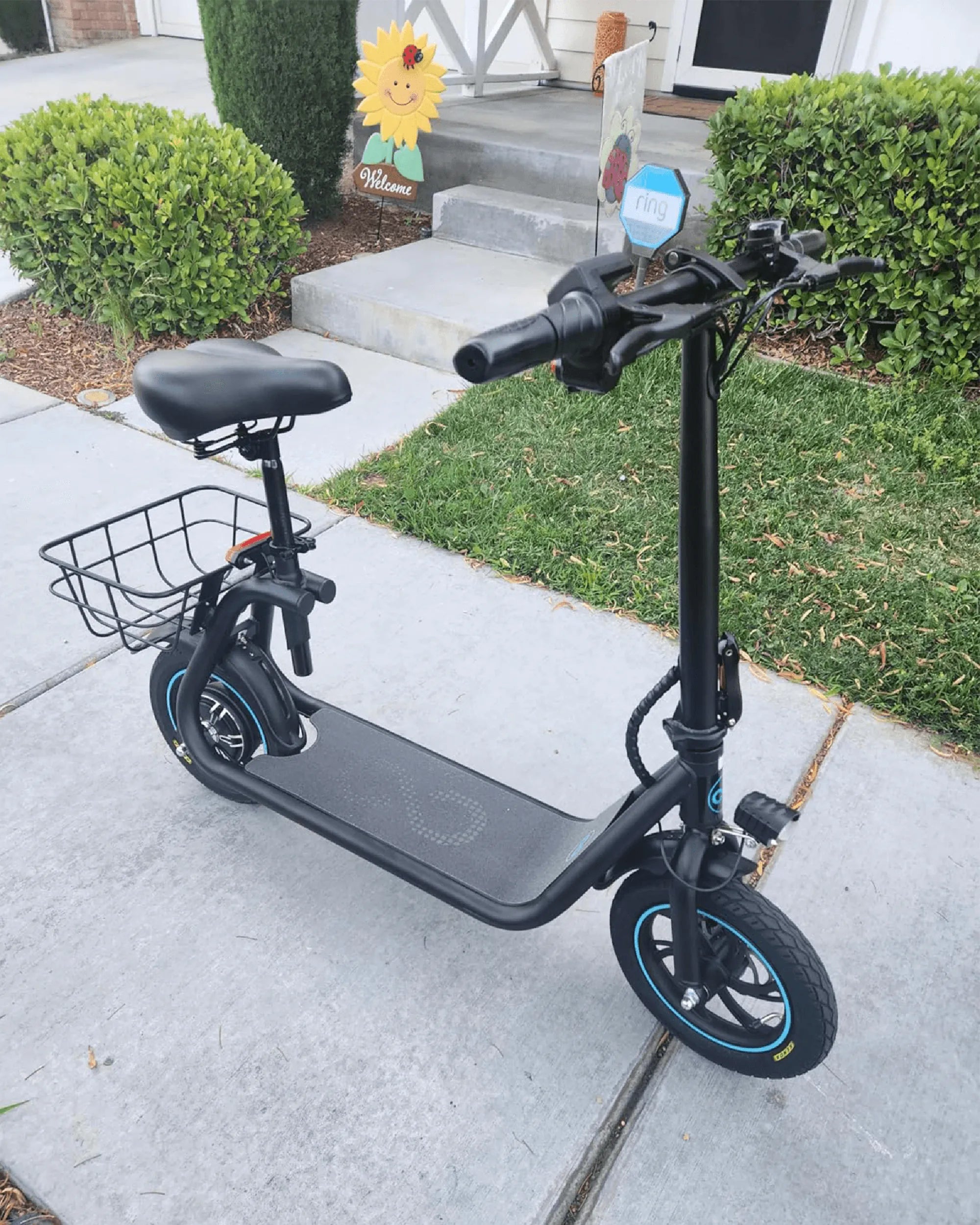
Getting a dirt bike for a 12-year-old is a thrilling milestone, but the question of cost involves far more than a single sticker price. Parents need to budget for the motorcycle itself, non-negotiable safety equipment, and ongoing maintenance. This guide provides a detailed, data-driven breakdown of exactly how much is a dirt bike for a 12 year old, transforming a complex purchase into a clear financial plan for safety and fun.
Key Factors That Determine Dirt Bike Cost
The price of a youth dirt bike is not a fixed number; it fluctuates based on several critical variables. Understanding these factors is essential for aligning your budget with your child's needs and skill level. The primary drivers are the bike's condition, its engine power, and the brand reputation behind it.
A new bike from a major manufacturer carries a premium for warranty and latest technology, while a used model can offer significant savings. The engine's cubic centimeter (cc) displacement directly correlates with both price and appropriateness for a 12-year-old's size and experience. Finally, brand prestige and model-specific features create a wide spectrum from entry-level to premium performance machines.
New vs. Used: The Great Debate
Purchasing a brand-new dirt bike offers peace of mind with a full manufacturer's warranty, known maintenance history, and the latest safety features. This comes at a cost, with prices typically starting around $1,800 for base models. New bikes require no immediate repairs and are less likely to have hidden issues from previous crashes or poor maintenance.
Buying a used dirt bike is the most common path to significant savings, with prices often 30-50% lower than new. However, it requires diligent inspection. A well-maintained used bike from a reputable brand can be an excellent value, while a neglected one can become a money pit. Always budget for potential immediate servicing when considering a used purchase.
Engine Size (CCs): Matching Power to the Rider
For most 12-year-olds, the ideal engine size falls between 110cc and 125cc. This range provides ample power for learning and trail riding without being intimidating or dangerous. A 110cc bike is often perfect for beginners or smaller riders, while a 125cc bike offers more growth room for a taller or more experienced child.
Engine size is a primary cost driver. Smaller 50cc-85cc bikes for younger riders are often less expensive, but a 12-year-old will quickly outgrow them. Jumping to adult-sized 250cc bikes is generally unsafe and cost-prohibitive. Sticking to the 110-125cc sweet spot ensures the bike is both rideable for years and appropriately priced for the youth market.
Brand & Model: Premium vs. Entry-Level
Major Japanese brands like Yamaha, Honda, and Kawasaki set the standard for reliability, parts availability, and resale value. Their youth models, such as the Honda CRF110F or Yamaha TT-R110E, are benchmarks in the category but command premium prices. You pay for proven engineering and a vast dealer network for support.
Value-oriented brands and some newer electric-specific manufacturers offer more affordable entry points. These bikes can be excellent for getting started on a tighter budget, though long-term durability and resale may not match the established leaders. It's crucial to research parts availability and owner reviews for these brands before committing.
Real-World Price Ranges: What to Expect to Pay
With the key factors established, we can define clear price brackets. These ranges account for the motorcycle in ready-to-ride condition but do not include safety gear or taxes. Knowing where your budget falls will quickly narrow your search and set realistic expectations for what you can acquire.
The market for a 12-year-old's dirt bike segments into three primary tiers: the entry-level/used market, the mid-range for new quality bikes, and the high-performance or specialized segment. Understanding what each tier offers is key to determining how much is a dirt bike for a 12 year old in your specific situation.
Entry-Level & Used Bikes: $800 - $1,800
This bracket is dominated by the private party used market. For $800 to $1,200, you can often find a used 110cc bike from a major brand that is 3-5 years old and in good mechanical condition. It may show cosmetic wear, but critical components like the frame, engine, and suspension should be sound. Always factor in a $100-$200 service cost after purchase.
At the higher end of this range ($1,500-$1,800), you can find newer used models or entry-level new bikes from value brands. These are often air-cooled, simple four-stroke machines perfect for learning. The priority here is functional reliability over advanced features like liquid cooling or adjustable suspension.
Mid-Range New Bikes: $1,800 - $3,200
This is the most common price point for a quality new dirt bike from a major manufacturer. Expect to pay between $2,200 and $3,000 for a new 110cc or 125cc model like the Honda CRF125F or Kawasaki KLX110R. These bikes come with full warranties, modern safety features, and are built to withstand years of use with proper maintenance.
Bikes in this range typically offer more robust construction, better suspension components, and stronger resale value than entry-level options. This is the "sweet spot" for parents seeking a reliable, long-term machine that won't hold back a progressing rider. The out-the-door cost with freight and setup fees often lands at the top of this bracket.
High-Performance or Electric Models: $3,200+
The premium segment includes higher-specification gas bikes, often with liquid cooling, disc brakes, and more race-oriented tuning. For a 12-year-old, these are usually larger 85cc two-stroke or 125cc four-stroke competition models, which can exceed $4,000. These are for serious junior racers, not casual trail riders.
Youth electric dirt bikes are a growing category with unique cost dynamics. Leading models from brands like Gyroor, which brings its expertise in UL-certified batteries and robust electric drivetrains from e-scooters, often start between $1,800 and $2,500. High-performance electric models with longer range and advanced features can reach $3,500 or more. The higher initial cost can be offset by drastically lower maintenance and no fuel expenses.
The Hidden Costs: Beyond the Sticker Price
The purchase price of the motorcycle is only the first financial commitment. To ride safely and responsibly, significant additional investment in protective gear and ongoing upkeep is mandatory. Failing to budget for these items compromises safety and can lead to much higher costs from preventable injuries or mechanical failures.
A comprehensive budget for a new rider should allocate 25-50% of the bike's cost towards gear and initial setup. This is not an area for shortcuts. Quality gear protects your child and can be transferred to a new bike as they grow, making it a long-term investment in their safety.
Mandatory Safety Gear ($200 - $600+)
This is non-negotiable. A DOT/SNELL-certified full-face helmet is the most critical piece, costing $100-$250. Goggles ($30-$80), durable riding gloves ($25-$60), and motocross-specific boots ($100-$250) are essential for protecting extremities. A chest protector ($80-$150) and knee/shin guards ($50-$100) round out the basic safety kit.
Investing in high-quality gear from the start is cost-effective. Good gear lasts through minor crashes and multiple seasons. It's advisable to have your child try on helmets and boots for proper fit before purchasing, as comfort directly impacts safety and willingness to wear the equipment.
Initial Setup & Ongoing Maintenance
Even a new bike has immediate costs. Dealerships charge freight and assembly fees, often adding $200-$400 to the MSRP. You may need to purchase a stand, a fuel can, and basic tools. For a used bike, an immediate oil change, air filter cleaning/replacement, and brake inspection are prudent, costing $100-$300 at a shop.
Ongoing maintenance is a recurring cost. Budget for regular oil changes ($20-$40 in materials), air filters ($15-$30), chain lubrication, and eventual wear items like tires ($80-$150 per set) and brake pads. Annual maintenance for a lightly used bike can easily cost $200-$400 in parts and fluids if you do the work yourself.
Smart Shopping Tips for Parents
Navigating the youth dirt bike market requires a strategic approach. Knowing where to look and what to inspect can save thousands of dollars and prevent costly mistakes. The goal is to find a safe, reliable machine that fits both your child and your budget without compromising on essential quality.
Timing your purchase can also lead to savings. Late fall and winter often see lower prices as the riding season ends. Having your budget, including gear, clearly defined before you start looking will prevent emotional overspending on features your young rider doesn't yet need.
Where to Buy: Dealers, Online, and Private Sales
Authorized dealerships offer the highest security: new bikes with warranties, professional assembly, and service departments. This comes at the highest price. They are the best choice for first-time buyers prioritizing support and peace of mind.
Private party sales (via Facebook Marketplace, Craigslist) typically offer the lowest prices but carry the most risk. You must be able to thoroughly inspect the bike. Reputable online retailers can be a good middle ground for new bikes from specific brands, but verify shipping costs and return policies. Always ensure you receive a clear title for any used bike.
Essential Pre-Purchase Checks (Especially for Used Bikes)
Create a mechanical checklist. Inspect the frame and forks for cracks or bends. Check the engine for leaks and listen for unusual noises when running. Test the suspension by compressing it—it should rebound smoothly. Squeeze the front brake lever and push the bike forward to ensure the brake holds.
Ask for maintenance records. Check the condition of the chain, sprockets (look for hooked teeth), and tire tread. Inquire about the bike's history: Has it been raced? Has the engine ever been rebuilt? A cold start is ideal; a bike that starts easily when cold indicates good engine health. Finally, verify the Vehicle Identification Number (VIN) matches the title.
Dirt Bike Type Comparison Table
| Bike Type | Engine Size (Typical) | Price Range (Bike Only) | Best For | Key Considerations |
|---|---|---|---|---|
| Used 4-Stroke (Gas) | 110cc - 125cc | $800 - $1,800 | Budget-conscious starters; learning basics | Requires mechanical inspection; lower upfront cost. |
| New Entry-Level 4-Stroke (Gas) | 110cc | $1,800 - $2,400 | First-time buyers wanting warranty & reliability | Simple operation, low maintenance, good resale. |
| New Mid-Range 4-Stroke (Gas) | 110cc - 125cc | $2,400 - $3,200 | Progressing riders; long-term value | Better suspension, more power, higher build quality. |
| Youth Electric Dirt Bike | N/A (Electric Motor) | $1,800 - $3,500+ | Quiet operation; low maintenance; tech-forward | No gas/oil; instant torque; limited range per charge (1-2 hrs). |
| High-Performance / Race (Gas) | 85cc 2-Stroke / 125cc 4-Stroke | $3,200 - $5,000+ | Serious junior competitors | High maintenance; aggressive power; not for beginners. |
Frequently Asked Questions (FAQ)
What size dirt bike is best for a 12-year-old?
The best size for most 12-year-olds is a 110cc or 125cc four-stroke dirt bike. The correct physical fit is as important as engine size. Your child should be able to sit on the bike with both feet touching the ground flat-footed or with the balls of their feet. An inseam height of 26 to 30 inches typically fits this class well.
Is an electric dirt bike a good option for a 12-year-old?
Electric dirt bikes are an excellent and increasingly popular option. They offer instant, manageable torque perfect for learning control, are nearly silent (ideal for neighborhood-friendly practice), and require almost no routine maintenance beyond charging and chain care. Brands like Gyroor leverage advanced battery safety and motor technology from their electric scooter lines, offering reliable, UL-certified power systems. The main considerations are upfront cost and ride time limited by battery range, which is typically 1-2 hours of casual riding.
How much does insurance and registration cost?
Costs vary significantly by state and usage. For dirt bikes used exclusively on private property, insurance is often optional but highly recommended for theft or liability, costing $100-$300 annually. If the bike will be registered for use on public trails or land, registration fees can range from $25 to $100+ per year. Always check your local Department of Motor Vehicles (DMV) and insurance provider for exact requirements and quotes.
Can a 12-year-old ride a 250cc dirt bike?
It is strongly discouraged. A 250cc dirt bike is a full-sized adult machine with substantial weight (over 220 lbs) and powerful, abrupt acceleration. It is too tall, too heavy, and too powerful for the average 12-year-old to control safely, significantly increasing the risk of a serious accident. Sticking to purpose-built youth models (110cc-125cc) is the safest path.
How often does a youth dirt bike need maintenance?
Maintenance frequency depends on use. For casual weekend riding, plan an oil change every 10-15 operating hours, air filter cleaning every 1-2 rides (more in dusty conditions), and chain adjustment/lubrication every ride. A thorough inspection of brakes, tire pressure, and fasteners should precede every ride. Adhering to the manufacturer's service schedule in the owner's manual is crucial for longevity and safety.
Conclusion: Investing in Adventure Responsibly
The total investment for a safe and enjoyable entry into dirt biking for a 12-year-old typically falls between **$2,500 and $4,000**. This encompasses a reliable mid-range bike ($2,200-$3,000), full safety gear ($400-$600), and initial setup costs. While the initial outlay is significant, a properly sized and maintained bike from a reputable brand provides years of adventure, teaches mechanical responsibility, and builds confidence. The core question of how much is a dirt bike for a 12 year old is best answered by valuing safety and fit over sheer power or flashy features, ensuring a positive foundation for a lifelong riding passion.
For parents considering the quiet, low-maintenance benefits of electric power, exploring youth-specific electric models is a wise move. Brands like Gyroor, trusted by over 100,000 riders for their UL-certified batteries and robust designs, offer a modern take on off-road fun. Ready to explore the right ride for your young adventurer? Browse the full Gyroor collection at gyroorboard.com to see how innovative electric technology can power their next adventure.
E Bike Three Wheels: The Ultimate Guide to Stable, Accessible Electric Trikes
E-Bike Market UK: Growth, Regulations, and Future Trends