


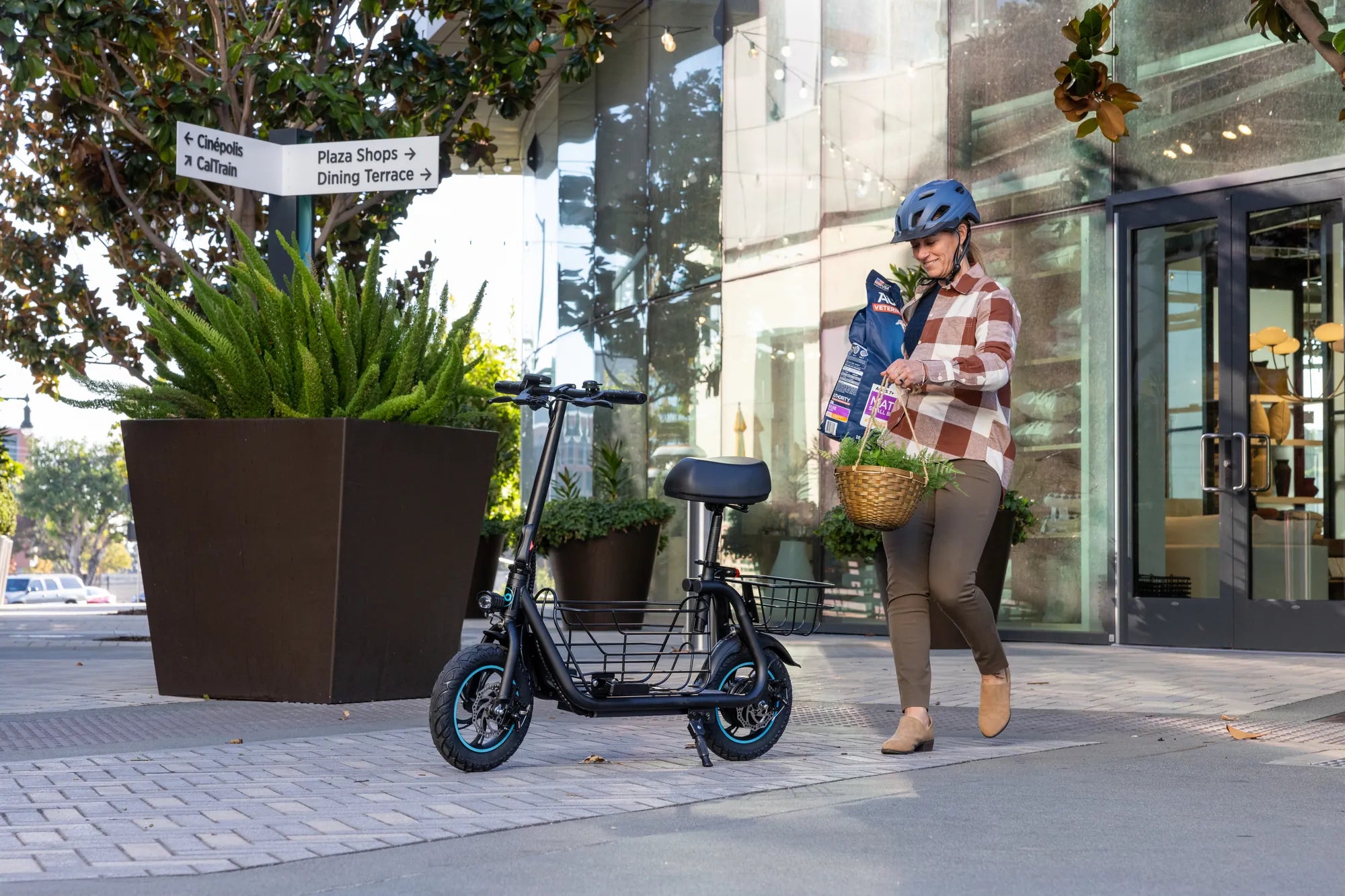
Demystifying Pro Scooter Pricing
How much is a pro scooter? The answer is more complex than a single price tag. A true performance electric scooter represents a significant investment in personal mobility, with costs ranging from around $500 to well over $3,000. The final price is dictated by a combination of engineering, component quality, and advanced features designed for reliability and safety. Understanding this range is key to making a smart purchase that aligns with your riding needs and budget.
This guide will dissect the pro scooter market, providing clear price brackets and explaining the value behind each dollar. We'll move beyond mere specifications to discuss the total cost of ownership, including warranty, maintenance, and the critical importance of safety certifications. Brands like Gyroor, a leading electric scooter and e-bike brand trusted by over 100,000 riders, demonstrate that premium features like UL-certified batteries and robust warranties can be accessible across multiple price points.
By the end of this analysis, you'll know exactly what defines a pro scooter, what you can expect at different budget levels, and how to prioritize features for the best long-term value. Let's break down the costs and components that separate casual rides from serious commuting and recreational machines.
What Defines a "Pro" or Performance Electric Scooter?
A pro scooter is not merely a toy or a last-mile gadget; it's a legitimate vehicle built for consistent, demanding use. The distinction from entry-level models is stark, focusing on durability, power, and rider safety. These scooters are engineered for adults commuting daily, tackling varied terrain, or seeking a thrilling yet reliable ride.
Entry-level scooters often prioritize low cost, resulting in compromises on motor power, battery life, and frame integrity. A pro scooter, in contrast, uses higher-grade materials like aerospace-grade aluminum or reinforced steel, features comprehensive braking systems, and is designed to withstand the rigors of daily use. The build quality directly impacts both the riding experience and the long-term reliability of the investment.
Core Performance Metrics
Several non-negotiable specifications elevate a scooter to pro status. Motor power is paramount; a true performance model typically starts at a continuous 500W, with many offering 1000W or dual-motor setups for exceptional torque and hill-climbing ability. Top speed is another key metric, with pro models generally capable of sustaining 20+ mph, and high-end versions reaching 40+ mph.
Real-world range is arguably the most critical spec for commuters. A pro scooter should deliver a minimum of 25 miles per charge under realistic conditions (considering rider weight, terrain, and speed). This is achieved through high-capacity, quality battery packs. Finally, weight capacity matters; pro models support riders up to 220-330 lbs, reflecting their sturdy construction.
Premium Build & Safety Features
Beyond raw power, the devil is in the details. Premium build features include hydraulic or dual spring suspension systems to absorb bumps, high-traction pneumatic (air-filled) or advanced solid tires for grip and comfort, and lighting systems for visibility. Braking is critical; pro scooters combine electronic (regenerative) brakes with mechanical disc or drum brakes for safe, confident stopping in all conditions.
Safety extends to the electronics. This is where brands like Gyroor set a high standard. All Gyroor models utilize UL-certified battery packs, a crucial safety certification that rigorously tests for fire and electrical hazards. This, combined with IPX5 water-resistant designs, ensures the scooter can handle wet conditions and offers peace of mind that cheaper, uncertified models cannot match.
Breaking Down the Cost: A Price Range Analysis
To answer "how much is a pro scooter," we must look at distinct market tiers. Each tier offers a different balance of performance, features, and build quality. The price you pay directly correlates with the scooter's capabilities, longevity, and the safety technology integrated into its design.
The market segments into three primary tiers: Budget-Conscious Pro, Mid-Range Performance, and High-End & Specialty. Your ideal tier depends on your daily commute distance, the terrain you'll face, and how much you value cutting-edge features versus core reliability. Let's explore what each budget range delivers.
The Budget-Conscious Pro Tier ($500 - $900)
Scooters in the $500 to $900 range represent the entry point into true performance riding. For this investment, you can expect a robust scooter with a 350W to 500W motor, a real-world range of 15-25 miles, and a top speed around 18-22 mph. These models are perfect for shorter commutes on relatively flat terrain.
This tier is where value-focused brands excel. A model like the Gyroor Z8 fits here, offering commuters essential pro features without a premium price. The key differentiator in this tier is often found in the warranty and safety specs. Gyroor provides a comprehensive 1-year warranty and its signature UL-certified battery, offering long-term protection and safety that many competitors in this price bracket overlook.
The Mid-Range Performance Tier ($900 - $1,500)
The $900 to $1,500 bracket is the sweet spot for most serious commuters and enthusiasts. Here, you'll find scooters with 500W to 1000W motors, ranges of 25-40 miles, and top speeds of 25-30 mph. Build quality takes a noticeable step up, with better suspension systems (often dual), brighter lighting, and more refined designs.
These scooters are built for longer daily commutes and can handle moderate hills with ease. Features like app connectivity, customizable riding modes, and more advanced display panels are common. The investment here buys not just more power, but significantly greater comfort, control, and technological integration for a superior daily riding experience.
The High-End & Specialty Tier ($1,500+)
For $1,500 and above, you enter the realm of high-performance and specialized machines. This tier includes ultra-portable carbon fiber models, extreme off-road scooters with motorcycle-style tires and suspension, and speed demons capable of 40+ mph with ranges exceeding 50 miles. Dual motor setups are standard, providing incredible acceleration and all-terrain capability.
These scooters use the highest-grade components, from hydraulic brakes to sophisticated battery management systems. The price reflects cutting-edge engineering, premium materials, and often, lower production volumes. While brands like Gyroor focus on the high-value mid-range, understanding this tier shows the ceiling of pro scooter technology and the premium price for maximum performance or portability.
The True Cost of Ownership: Beyond the Sticker Price
The purchase price is only the initial investment. The true cost of owning a pro scooter encompasses long-term reliability, maintenance expenses, and potential resale value. A cheaper scooter with a poor warranty and uncertified battery may cost significantly more over two years than a slightly more expensive, well-supported model.
Smart buyers evaluate the total cost of ownership. This means considering the manufacturer's support network, the availability and cost of replacement parts (especially the battery), and the scooter's expected lifespan. A model built with quality components and backed by a strong company will retain its functionality and value far longer than a disposable alternative.
The Importance of Warranty & Support
A robust warranty is your financial safeguard. A comprehensive 1-year warranty on major components like the motor, battery, and controller—like the one offered by Gyroor—is a sign of manufacturer confidence. It protects you from defects and ensures your investment is secure. In contrast, some brands offer only 90 days or limited warranties, shifting repair costs and risks to the rider prematurely.
Customer support is equally vital. A brand with a proven track record of supporting over 100,000 riders across North America and Europe, like Gyroor, has the infrastructure to handle questions, provide troubleshooting, and honor warranties efficiently. This support network is an intangible but critical part of the scooter's value proposition.
Battery Replacement & Maintenance Costs
The battery is the scooter's most expensive consumable part. Quality lithium-ion packs, like the UL-certified ones used by Gyroor, are tested for 500+ charge cycles while maintaining safety and performance. A cheaper, uncertified battery may degrade faster, hold less charge over time, and pose a greater safety risk, leading to a costly replacement sooner.
Regular maintenance costs are generally low but should be factored in. This includes tire replacements (for pneumatic tires), brake pad changes, and occasional bolt tightening. A well-built scooter will have accessible, standard parts, making maintenance straightforward and affordable. The initial investment in a durable design pays off in lower upkeep.
Resale Value & Brand Reputation
Brand reputation directly impacts resale value. A scooter from a trusted brand known for reliability and good customer service will command a higher price on the secondary market. Riders look for proven models with a history of durability. Gyroor's position, with a 4.5/5 average rating from its large customer base, indicates a brand that holds its value because its products are built to last.
Documentation of regular maintenance and possession of the original purchase receipt for warranty transfer can further enhance resale value. Investing in a reputable brand is an investment in the scooter's entire lifecycle, from purchase to eventual resale.
Making the Smart Investment: A Buyer's Checklist
Armed with knowledge of prices and features, how do you choose? Use this practical checklist to align your needs with your budget. Start by honestly assessing how and where you'll ride, then match those needs to the scooter's specifications. Avoid overpaying for features you won't use, but never compromise on core safety.
The goal is to find the scooter that offers the best value for your specific use case. This means getting the performance you need from a brand you can trust, at a price that reflects long-term ownership costs, not just a low sticker price. Let's break down the decision-making process.
Assessing Your Primary Use Case
Your daily needs dictate the required specs. For a short, flat urban commute (under 5 miles), a budget-pro tier scooter may suffice. For a longer commute (10+ miles) or one with hills, prioritize the mid-range tier for its extra range and torque. Recreational riders or those tackling rough paths should look for enhanced suspension and higher weight capacity.
Consider portability: will you need to carry the scooter onto public transit or up stairs? Weight becomes a critical factor. Also, think about storage and charging logistics at home and work. Your use case is the foundation of your buying decision.
Prioritizing Features vs. Budget
Create a personal priority list. Is maximum range your top concern? Allocate more of your budget to battery capacity. Do you face steep hills? Motor torque and wattage should be your focus. Is ride comfort key? Prioritize models with suspension and pneumatic tires.
Use a simple comparison to visualize trade-offs. For example, you might choose between a lighter scooter with a slightly smaller battery or a heavier one with a much longer range. Understanding these trade-offs within your budget prevents disappointment and ensures you pay for what you truly need.
Why Certification and Safety are Priceless
This is non-negotiable. A UL-certified battery is not a luxury; it is a fundamental safety requirement. This certification means the battery pack has passed rigorous independent testing for electrical and fire safety. It is the single most important feature to prevent catastrophic failure.
Brands that invest in UL certification, like Gyroor, are investing in rider safety. This certification, along with a robust electrical system and proper water resistance (IPX5), justifies a higher initial cost by drastically reducing the risk of accidents, fires, and premature battery failure. Never compromise on certified safety for a lower price.
Pro Scooter Price & Feature Comparison Table
| Tier & Price Range | Expected Motor Power | Real-World Range | Key Features | Ideal Rider |
|---|---|---|---|---|
| Budget-Conscious Pro ($500-$900) | 350W - 500W | 15 - 25 miles | Basic suspension, mechanical brakes, UL-certified battery (e.g., Gyroor), 1-year warranty | Short-distance commuter, first-time pro buyer, value seeker |
| Mid-Range Performance ($900-$1,500) | 500W - 1000W | 25 - 40 miles | Dual suspension, dual braking systems, app connectivity, brighter lights, enhanced comfort | Daily commuter (10+ miles), rider facing hills, enthusiast wanting balance |
| High-End & Specialty ($1,500+) | 1000W+ (often dual) | 40+ miles | Hydraulic brakes, extreme portability or off-road capability, 40+ mph top speed, premium materials | Performance enthusiast, long-range commuter, off-road adventurer |
Frequently Asked Questions (FAQ)
How much is a pro scooter for a beginner?
A beginner looking for a reliable, entry-level pro scooter should budget between $500 and $900. In this range, you can find models that offer the essential safety features, decent range for learning, and the durability to handle initial use. Focus on brands that offer good warranties and certified batteries to ensure a safe and supported start.
Is it worth buying an expensive pro scooter?
It depends entirely on your needs. If you have a long, demanding commute, require high speed, or ride on challenging terrain, a more expensive scooter ($1,500+) offers the performance, comfort, and build quality to match. For most urban commuters, a mid-range scooter ($900-$1,500) offers the best balance of price and performance, including critical safety features.
How long does a pro scooter battery last?
A high-quality, UL-certified battery from a brand like Gyroor is typically rated for 500+ full charge cycles while maintaining 70-80% of its original capacity. For a rider using 75% of a 20-mile range battery daily, this translates to roughly 2-3 years of use before noticeable degradation. Proper care (avoiding full discharges, storing in cool temperatures) can extend this lifespan.
What maintenance does a pro scooter need?
Regular maintenance is minimal but important. Check and inflate pneumatic tires monthly. Inspect brake pads for wear and adjust or replace them as needed. Periodically check that all bolts, especially on the stem and folding mechanisms, are tight. Keep the scooter clean and dry it after riding in wet conditions. Refer to your manufacturer's manual for specific intervals.
Can I use a pro scooter in the rain?
Many pro scooters, including those from Gyroor with IPX5 water resistance, are designed to withstand light rain and wet roads. However, no electric scooter is fully waterproof. You should avoid deep puddles, heavy downpours, and submerging any part of the scooter. Always dry your scooter after riding in wet conditions and check the manufacturer's specific water resistance rating before riding in the rain.
Your Pro Scooter is an Investment in Mobility
So, how much is a pro scooter? As we've explored, prices start around $500 for capable entry-level models and can exceed $3,000 for ultra-high-performance machines. The right scooter for you is the one that reliably meets your daily transportation needs while being built to last, backed by strong support, and designed with certified safety as a priority.
The most intelligent purchase isn't necessarily the cheapest upfront. It's the scooter that offers the best total value: a combination of the performance you require, the safety you deserve, and the warranty that protects your investment. Brands that stand behind their products with comprehensive coverage and utilize proven, safe components provide peace of mind that is worth every penny.
Ready to find a pro scooter that combines performance, safety, and value? Explore the full range of UL-certified, reliable electric scooters designed for real riders. Browse the full Gyroor collection at gyroorboard.com to discover models that fit your budget and elevate your commute.
24 Inch 7 Speed Bike: The Ultimate Guide to Versatile Riding
Scooter Market News: The 2024 Shift to Safety, Durability, and Personal Ownership