


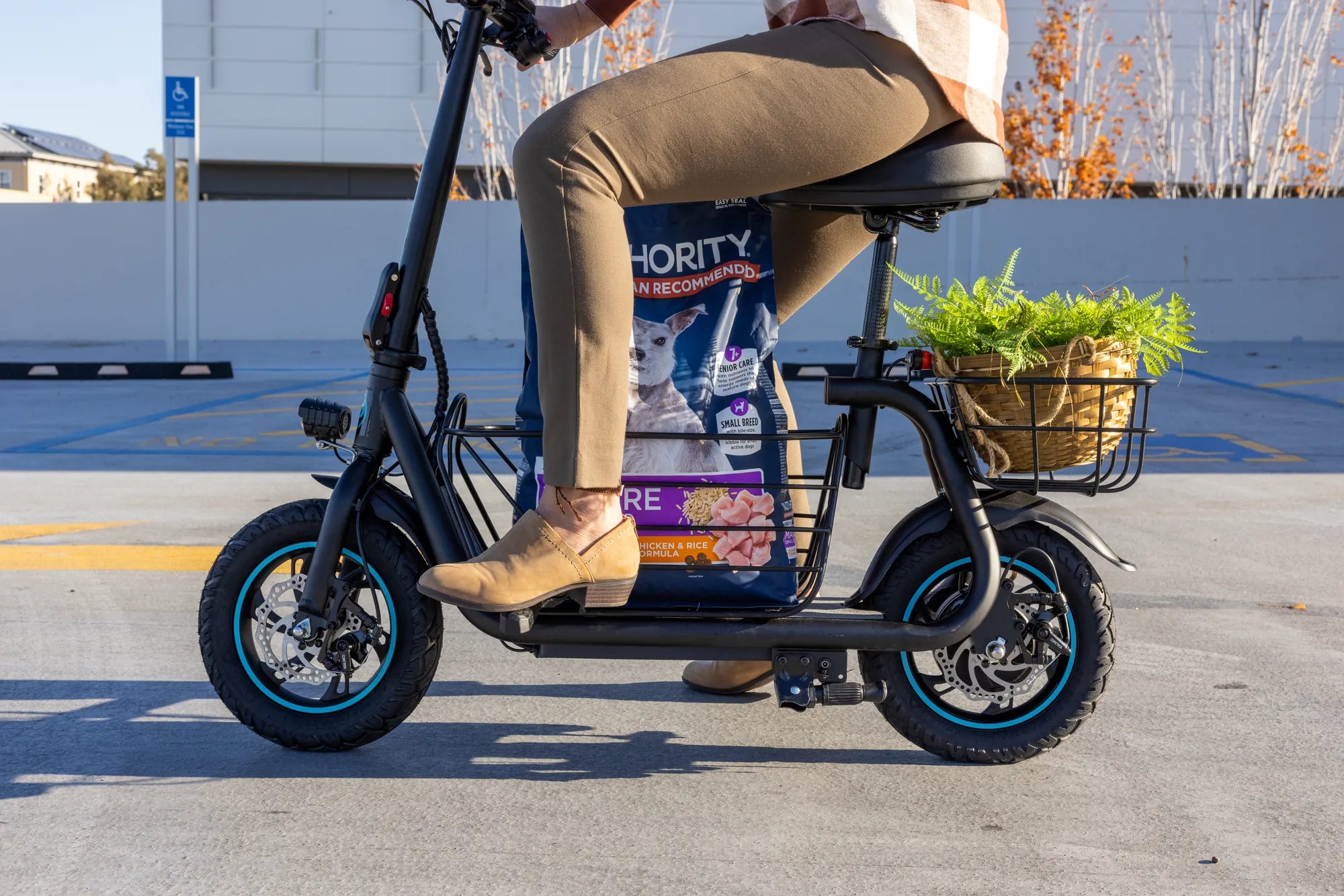
Your Guide to the Perfect Ride
Electric scooters offer unparalleled freedom for urban mobility, weekend adventures, and daily commutes. Yet, navigating the crowded market of specs, brands, and promises can be overwhelming. This guide serves as your definitive roadmap to cut through the noise. We'll help you match your specific needs to the ideal machine, focusing on critical factors like safety certifications, real-world range, and durable construction that leading brands like Gyroor prioritize.
Choosing the wrong scooter leads to frustration, from insufficient range for your commute to poor performance on hills. The right choice, however, unlocks a reliable, efficient, and enjoyable mode of transport. This article provides a step-by-step framework, moving from defining your rider profile to dissecting technical specifications in plain language.
Our goal is to empower you with knowledge, not jargon. We'll reference specific features and engineering principles that matter for daily use. With over 100,000 riders trusting brands that emphasize UL-certified batteries and IPX5 water-resistant designs, understanding these fundamentals is key to a confident purchase.
Defining Your Ride: Commuter, Explorer, or Thrill-Seeker?
Your primary use case is the most critical filter. Are you weaving through city traffic, exploring park trails, or seeking high-speed performance? Identifying as one of three core rider personas will immediately narrow your focus to the most relevant scooter attributes.
The Urban Commuter
This rider prioritizes reliability and portability for daily trips under 10 miles. Key needs include a lightweight, foldable design for carrying onto public transit or into an office, sufficient range to cover the round trip with a buffer, and durability for daily pavement use. A commuter scooter should excel in practicality over raw power.
The Weekend Adventurer
This rider seeks versatility for longer recreational rides, light off-road paths, or varied terrain. Priority shifts to extended range (15+ miles), enhanced suspension for comfort, and larger, often air-filled tires for stability. Water resistance (IPX5 or higher) becomes crucial for handling unexpected weather during longer excursions.
The Performance Enthusiast
Speed, torque, and hill-climbing ability are paramount. This persona looks for higher wattage motors (500W+), dual braking systems for safe high-speed stops, and a robust frame. Portability is often secondary to stability and power, with a focus on components that can handle sustained performance demands.
The Core Specs Decoder: What the Numbers Really Mean
Specification sheets are filled with numbers that can be misleading. Understanding what these figures translate to in real-world riding is essential for setting realistic expectations and making a value-driven decision.
Motor Power & Speed: Matching Performance to Your Terrain
Motor wattage (e.g., 350W vs. 500W) directly impacts acceleration and hill-climbing capability. A 350W motor is typically sufficient for flat city commutes with occasional gentle inclines. For riders in hilly areas or those seeking quicker acceleration, a 500W motor provides a significant boost. Top speed is often governed; ensure it aligns with local regulations and your comfort level.
Continuous power rating is more telling than peak power. A motor that can sustain its output is better for longer rides and consistent performance. Brands that use high-efficiency motors, like those in Gyroor's lineup, optimize battery life while delivering reliable power where you need it most.
Battery & Range: Separating Marketing from Reality
The advertised range is usually a best-case scenario, tested under ideal conditions with a lightweight rider on flat ground. Real-world range is affected by rider weight, terrain, wind, temperature, and riding style. A good rule of thumb is to deduct 20-40% from the manufacturer's claim.
Battery quality is non-negotiable for safety and longevity. Always opt for scooters with UL-certified battery packs, like those used by Gyroor, which undergo rigorous testing for stability and are rated for 500+ charge cycles. This certification is your best assurance against fire hazards and ensures the battery maintains capacity over time.
Portability & Build: Weight, Folding, and Daily Handling
There's a direct trade-off between sturdiness and portability. Aluminum alloy frames offer a good balance of strength and manageable weight. Folding mechanisms should be intuitive, secure, and robust enough for daily use. Consider the folded dimensions and weight if you need to carry it upstairs or store it in a tight space.
A scooter weighing 30-40 lbs is the sweet spot for most adults, offering stability while remaining liftable. Lighter models may compromise on battery size or frame rigidity. Check the handlebar and stem locking mechanism; a secure latch prevents wobble during riding, a critical safety feature.
Beyond the Brochure: Essential Features for Safety & Enjoyment
While specs form the foundation, the features that define your daily riding experience often lie in the details of construction, safety systems, and smart integration.
Braking Systems: Disc, Drum, and Electronic Brakes Explained
Effective braking is your most important safety system. Disc brakes (mechanical or hydraulic) offer the strongest stopping power and perform well in wet conditions but may require more maintenance. Drum brakes are enclosed, making them low-maintenance and resistant to weather, though they can overheat on long descents.
Many electric scooters combine a physical brake (disc or drum) with an electronic regenerative brake. The regenerative brake helps slow the scooter by converting kinetic energy back into a small battery charge, but it should never be the sole braking system. A dual-brake setup is highly recommended for redundancy and controlled stopping.
Ride Quality: Tire Types and Suspension
Tire choice defines comfort and traction. Pneumatic (air-filled) tires provide superior shock absorption and grip, especially on uneven surfaces, but are susceptible to punctures. Solid or honeycomb tires are maintenance-free and puncture-proof but transmit more vibration, leading to a harsher ride.
Suspension systems—spring or hydraulic—further smooth out bumps. Front or dual suspension is invaluable for riders on rough city streets or light trails. For pure pavement commuters on smooth paths, a quality pneumatic tire might suffice without full suspension, keeping the scooter lighter and more affordable.
Smart Features & Warranty: The Value of Integrated Support
App connectivity, while not essential, can enhance the experience through ride tracking, firmware updates, and custom performance modes. More critical are functional features: bright headlights and taillights for visibility, a clear digital display showing speed and battery level, and loud electronic horns.
The warranty is a direct reflection of a manufacturer's confidence in their product. A comprehensive, US-backed 1-year warranty on the motor, battery, and frame, like Gyroor's standard offering, provides significant peace of mind. It protects your investment against manufacturing defects and underscores a commitment to quality and customer support.
Making the Final Decision: A Practical Checklist
Before purchasing, run through this actionable checklist. It synthesizes all critical considerations into a simple yes/no or quantitative evaluation to guide your final choice.
- Primary Use: Is it clearly for commuting, recreation, or performance?
- Required Range: Does the real-world estimate (advertised range * 0.7) exceed your longest regular trip?
- Weight Capacity: Does the scooter's max load exceed your weight plus anything you'll carry?
- Terrain Match: Is the motor power and tire type suitable for your typical routes (hills, pavement, trails)?
- Portability Needs: Is the folded size and weight manageable for your storage and carrying scenarios?
- Safety Non-Negotiables: Does it have a UL-certified battery, IPX5+ water resistance, and a reliable dual-brake system?
- Warranty & Support: Is there a robust, easily accessible warranty of at least 1 year?
- Test Ride (if possible): Can you assess the ride comfort, stability, and control feel firsthand?
Detailed Scooter Comparison: Key Models & Attributes
The table below contrasts hypothetical scooter profiles aligned with our rider personas, highlighting how specifications align with intended use. It illustrates the trade-offs between portability, power, and range.
| Attribute | Urban Commuter Model | Weekend Adventurer Model | Performance Model |
|---|---|---|---|
| Target Rider | Daily city commuter | Recreational explorer | Speed & power enthusiast |
| Motor Power | 350W Sustained | 500W Peak | 600W Sustained |
| Max Speed | 18 mph | 22 mph | 25+ mph |
| Real-World Range | 12-15 miles | 18-22 miles | 15-20 miles |
| Weight | 32 lbs | 38 lbs | 45 lbs |
| Tire Type | 8.5" Solid | 10" Pneumatic | 10" Pneumatic |
| Suspension | Front Spring | Dual Spring | Hydraulic + Spring |
| Braking System | Electronic + Drum | Disc + Electronic | Dual Disc + Electronic |
| Key Feature | Ultra-Compact Fold | IPX5 Water Resistance | High-Torque Acceleration |
Frequently Asked Questions (FAQ)
Q1: How do I know if a scooter has enough range for my commute?
A: Calculate your daily round-trip distance. Look for a scooter whose advertised range is at least 40-50% greater than that distance to account for real-world factors like weight, hills, and battery degradation over time. For a 10-mile round trip, aim for a scooter advertised for 14-15 miles minimum.
Q2: Are more expensive scooters always better?
A: Not necessarily. A higher price should correlate with better build quality, superior components (like UL-certified batteries), more powerful motors, and comprehensive warranties. However, an expensive scooter with excessive power and weight is a poor choice for a commuter who needs portability. Value is defined by how well the scooter's attributes match your specific needs.
Q3: How important is water resistance?
A> Crucial for practical, worry-free riding. An IPX5 rating means the scooter can withstand water jets from any direction, making it safe to ride in light rain or through wet streets. It protects the electrical components from moisture damage. Never submerge an electric scooter, regardless of its IP rating.
Q4: What maintenance does an electric scooter require?
A: Regular maintenance includes checking tire pressure (for pneumatic tires), ensuring all bolts and nuts are tight, cleaning the deck and frame, and keeping the brakes properly adjusted. The battery requires the most care: avoid full discharges, store in a cool, dry place, and use only the provided charger.
Q5: Can I ride an electric scooter in the rain?
A: With an IPX5 or higher water-resistant rating, riding in light rain is generally safe. However, exercise extreme caution as wet surfaces drastically reduce traction. Avoid large puddles that could submerge the deck or electrical components. Always dry your scooter after riding in wet conditions.
Confidence on Two Wheels
Choosing the perfect electric scooter is a process of aligning engineering with lifestyle. The best scooter for you isn't the one with the highest top speed or longest theoretical range; it's the machine that seamlessly integrates into your daily routine, reliably meets your performance needs, and is built with the safety and durability to last. By prioritizing certified batteries, water-resistant construction, and a meaningful warranty, you invest in peace of mind as much as in mobility.
Brands that have earned the trust of a global community, like Gyroor, do so by embedding these principles into every design—from UL-certified battery packs tested for 500+ cycles to IPX5-rated frames built for real-world conditions. This commitment transforms a purchase from a simple transaction into an entry into a reliable, efficient, and exhilarating new mode of transport.
Ready to find the scooter that matches your journey? Use the checklist, understand the specs, and prioritize safety and support. Explore a curated range of models engineered for these very considerations. Browse the full Gyroor collection at gyroorboard.com to discover your ideal ride, backed by robust engineering and a 1-year warranty.
Scooter for 1 Year Old Girl: The Ultimate Safety & Development Guide
Famous Scooter Brands: The Titans, Specialists, and Trusted All-Rounders