



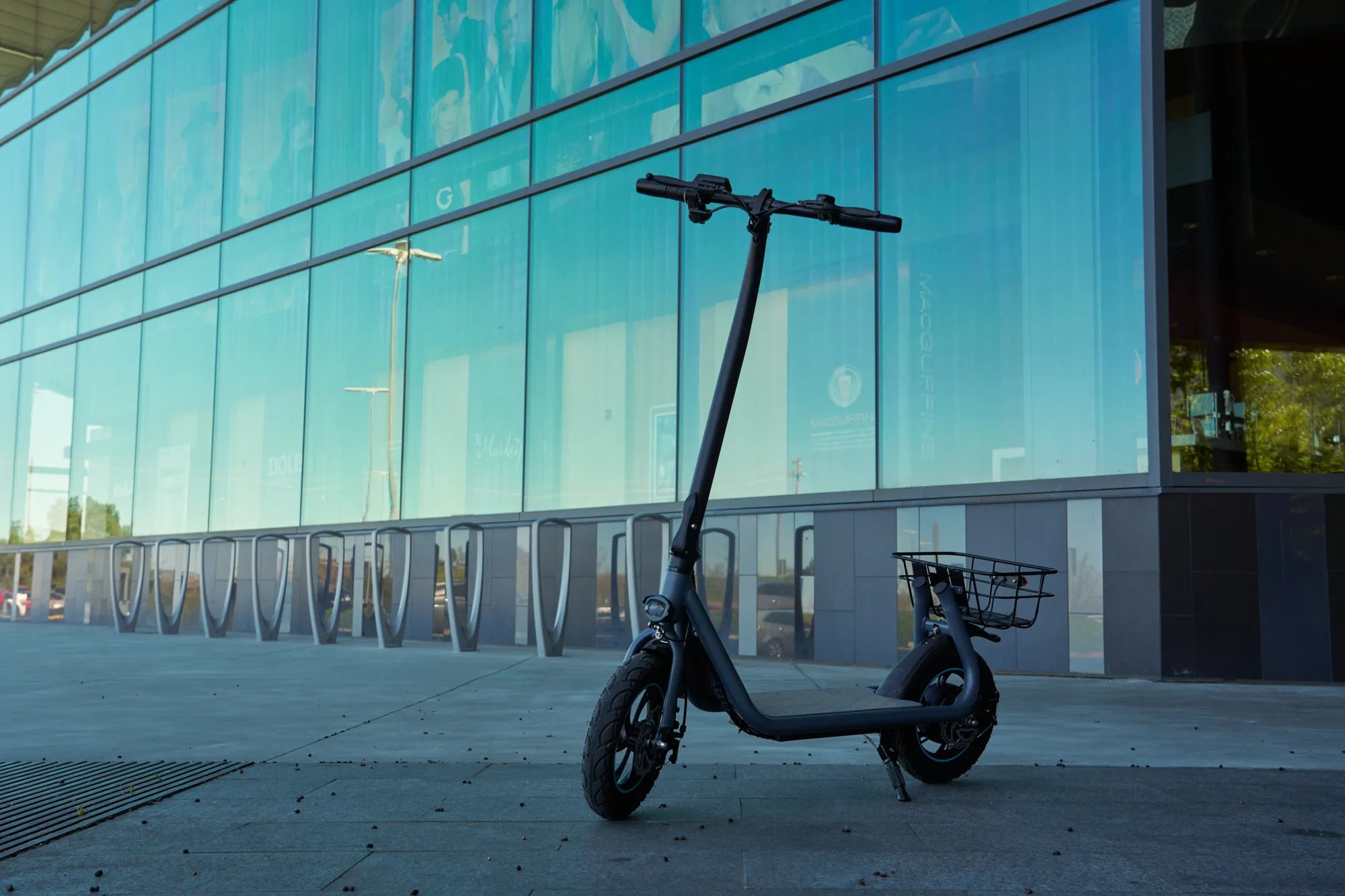
Electric scooters have surged in popularity as a convenient, eco-friendly, and cost-effective mode of transportation. Whether you're commuting to work, running errands, or simply enjoying a ride, choosing the right electric scooter can make all the difference. With so many options available, it's easy to feel overwhelmed. This guide will walk you through the key factors to consider, ensuring you make an informed decision that suits your lifestyle and budget.
1. Determine Your Riding Needs
Before diving into specifications, ask yourself how you plan to use the scooter. Are you commuting daily, or is it for occasional leisure rides? Will you be riding on smooth pavements or rough terrains? Identifying your primary use case will help narrow down your options.
Commuting vs. Leisure
For daily commuters, factors like battery life, portability, and durability are crucial. Leisure riders might prioritize comfort and speed over long-range capabilities.
Terrain Considerations
If your route includes hills or uneven surfaces, opt for a scooter with a powerful motor and robust suspension. Flat urban areas may only require a basic model.
2. Battery Life and Range
The battery is the heart of an electric scooter. A longer range means fewer charges, but it often comes at a higher price. Consider your daily mileage to avoid running out of power mid-ride.
Battery Types
Most scooters use lithium-ion batteries, known for their longevity and efficiency. Cheaper models may have lead-acid batteries, which are heavier and less durable.
Charging Time
Check how long it takes to fully charge the battery. Some models offer fast charging, which is ideal for those with tight schedules.
3. Motor Power and Speed
The motor determines how fast and smoothly your scooter will ride. Higher wattage motors provide better acceleration and hill-climbing ability.
Speed Limits
Most electric scooters have a top speed between 15-25 mph. Ensure the scooter's speed aligns with local regulations and your comfort level.
Dual vs. Single Motor
Dual-motor scooters offer more power and stability, especially for off-road use, but they consume more battery.
4. Weight and Portability
If you need to carry your scooter upstairs or on public transport, weight is a critical factor. Lightweight models are easier to handle but may sacrifice durability.
Folding Mechanism
Look for scooters with a quick and secure folding system. This feature is invaluable for storage and portability.
5. Safety Features
Safety should never be compromised. Key features to look for include:
Braking System
Disc brakes, regenerative brakes, or a combination of both ensure reliable stopping power.
Lights and Reflectors
Front and rear lights, along with reflectors, enhance visibility during night rides.
Tire Type
Pneumatic (air-filled) tires offer better shock absorption, while solid tires require less maintenance.
6. Build Quality and Durability
A sturdy frame and high-quality materials ensure your scooter withstands daily wear and tear. Check the weight capacity to ensure it can support your weight.
7. Price and Warranty
Electric scooters range from budget-friendly to premium. Set a budget but avoid sacrificing essential features for a lower price. A good warranty can save you from costly repairs down the line.
8. Test Ride Before Buying
If possible, test ride a few models to gauge comfort, handling, and performance. This step can reveal deal-breakers you might not notice on paper.
Choosing the right electric scooter doesn't have to be daunting. By focusing on your specific needs and prioritizing key features like battery life, motor power, and safety, you'll find the perfect ride to match your lifestyle. Ready to hit the road? Your ideal electric scooter is just a decision away!
12000w Electric Scooter: The Ultimate Guide to High-Power Performance
Best Electric Folding Scooter: The Ultimate Guide for Urban Commuters