



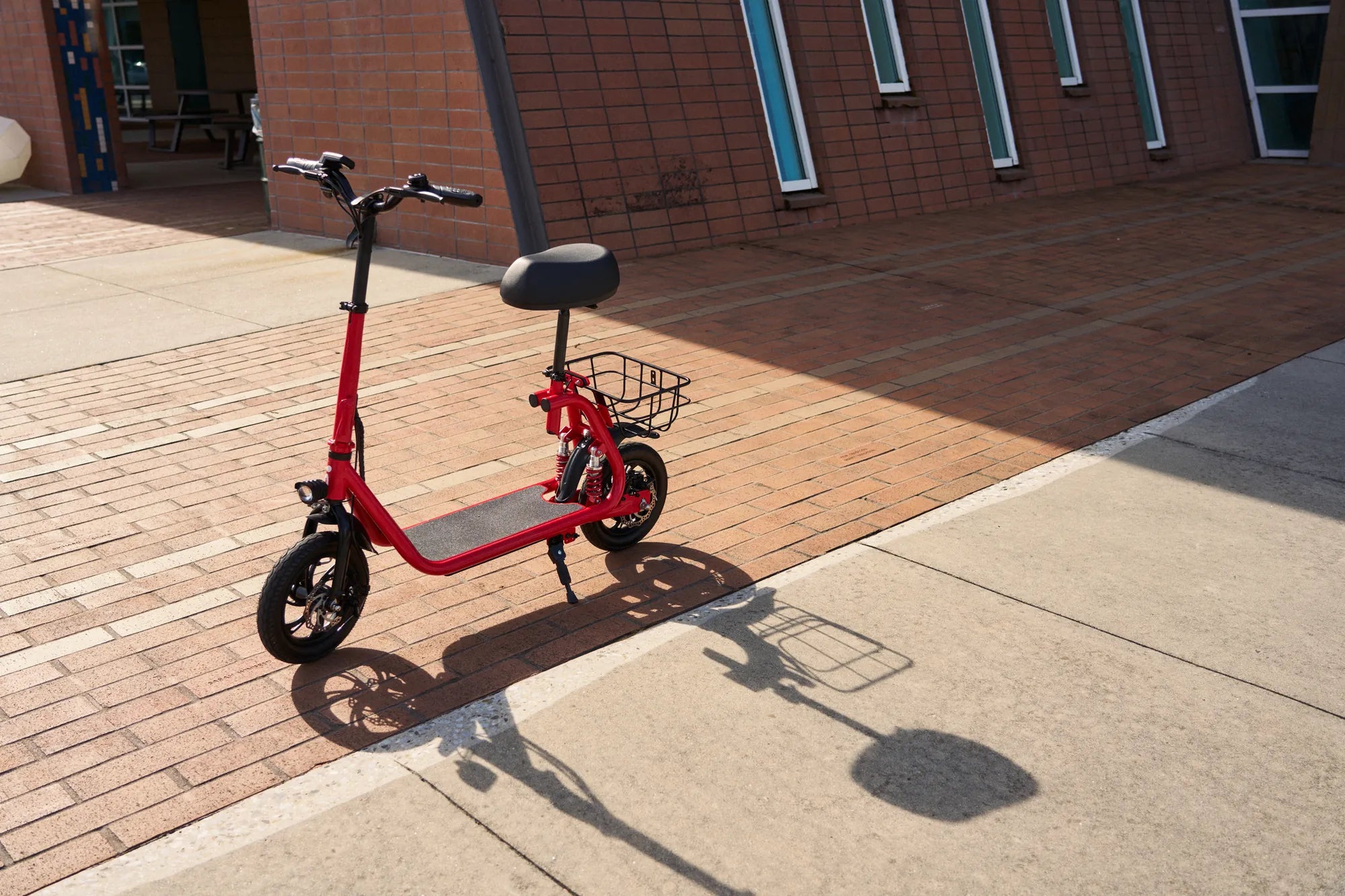
Electric scooters are a convenient and eco-friendly way to get around, but like any vehicle, they require regular maintenance—especially when it comes to brakes. If your scooter's brakes aren't working properly, it can be a serious safety hazard. Whether you're dealing with squeaky brakes, reduced stopping power, or complete brake failure, this guide will walk you through how to fix brakes on your electric scooter step by step.
Understanding Electric Scooter Brakes
Before diving into repairs, it's important to understand the types of brakes commonly found on electric scooters:
- Mechanical Disc Brakes: These use a cable to engage a caliper that clamps down on a rotor.
- Hydraulic Disc Brakes: These rely on fluid pressure to engage the brake pads against the rotor, offering smoother and more powerful braking.
- Drum Brakes: Enclosed within the wheel hub, these are low-maintenance but harder to service.
- Regenerative Brakes: Use the motor to slow down the scooter while recharging the battery slightly.
Identifying your brake type will help you troubleshoot and fix issues more effectively.
Common Brake Problems and Their Causes
Here are some frequent issues electric scooter riders face with brakes:
- Squeaking or Grinding Noises: Often caused by dirty or worn-out brake pads.
- Weak Braking Performance: Could result from loose cables, air in hydraulic lines, or glazed pads.
- Brake Drag: Occurs when the brake doesn't fully disengage, usually due to misalignment or a stuck caliper.
- Complete Brake Failure: Typically caused by broken cables, severe pad wear, or hydraulic system leaks.
Tools You'll Need
Before starting, gather these essential tools:
- Allen wrenches
- Adjustable wrench or spanner
- Screwdrivers (Phillips and flathead)
- Brake cleaner or isopropyl alcohol
- New brake pads (if replacing)
- Hydraulic brake fluid (if applicable)
- Rag or paper towels
Step-by-Step Guide to Fixing Electric Scooter Brakes
Step 1: Inspect the Brakes
Start by checking the brake pads for wear. If they're thinner than 1-2mm, they need replacement. Look for oil or dirt on the rotor or pads, which can reduce braking efficiency.
Step 2: Clean the Brake System
Use brake cleaner or isopropyl alcohol to wipe down the rotor and pads. Avoid touching the rotor with bare hands afterward to prevent oil transfer.
Step 3: Adjust Brake Cable Tension (Mechanical Brakes)
If your brakes feel loose, locate the barrel adjuster near the brake lever or caliper. Turn it clockwise to tighten the cable. If further adjustment is needed, loosen the cable anchor bolt, pull the cable tighter, and retighten the bolt.
Step 4: Align the Brake Caliper
Loosen the caliper mounting bolts slightly so the caliper can move. Squeeze the brake lever to center the caliper, then tighten the bolts while holding the lever down.
Step 5: Replace Worn Brake Pads
Remove the retaining pin or bolt holding the pads in place. Slide out the old pads and insert new ones, ensuring they're properly seated. Reinstall the retaining hardware.
Step 6> Bleed Hydraulic Brakes (If Applicable)
If your hydraulic brakes feel spongy, they may need bleeding. Attach a bleed kit to the caliper bleed valve, open the valve, and pump the brake lever to remove air bubbles. Top up the brake fluid reservoir as needed.
Step 7: Test the Brakes
After making adjustments, test the brakes at low speed first. Ensure they engage smoothly without excessive lever travel or noise.
Maintenance Tips to Prevent Future Issues
- Regularly clean your brakes to prevent dirt buildup.
- Check pad wear monthly and replace as needed.
- Keep cables lubricated (for mechanical brakes).
- Avoid riding through deep water to prevent hydraulic fluid contamination.
- Store your scooter in a dry place to prevent rust.
When to Seek Professional Help
While many brake issues can be fixed at home, consider professional assistance if:
- You notice hydraulic fluid leaks
- The rotor is warped or severely damaged
- Brakes still don't work properly after adjustments
- You're uncomfortable performing the repairs yourself
Properly functioning brakes are crucial for your safety on an electric scooter. By following this guide on how to fix brakes on your electric scooter, you'll not only extend the life of your scooter but also enjoy smoother, more reliable rides. Remember, regular maintenance is far easier than emergency repairs—so keep those brakes in top condition and ride with confidence!
Dual Wheel Electric Scooter: The Future of Urban Mobility
Lightweight Folding Electric Scooter with Seat: The Ultimate Urban Commuter Solution