



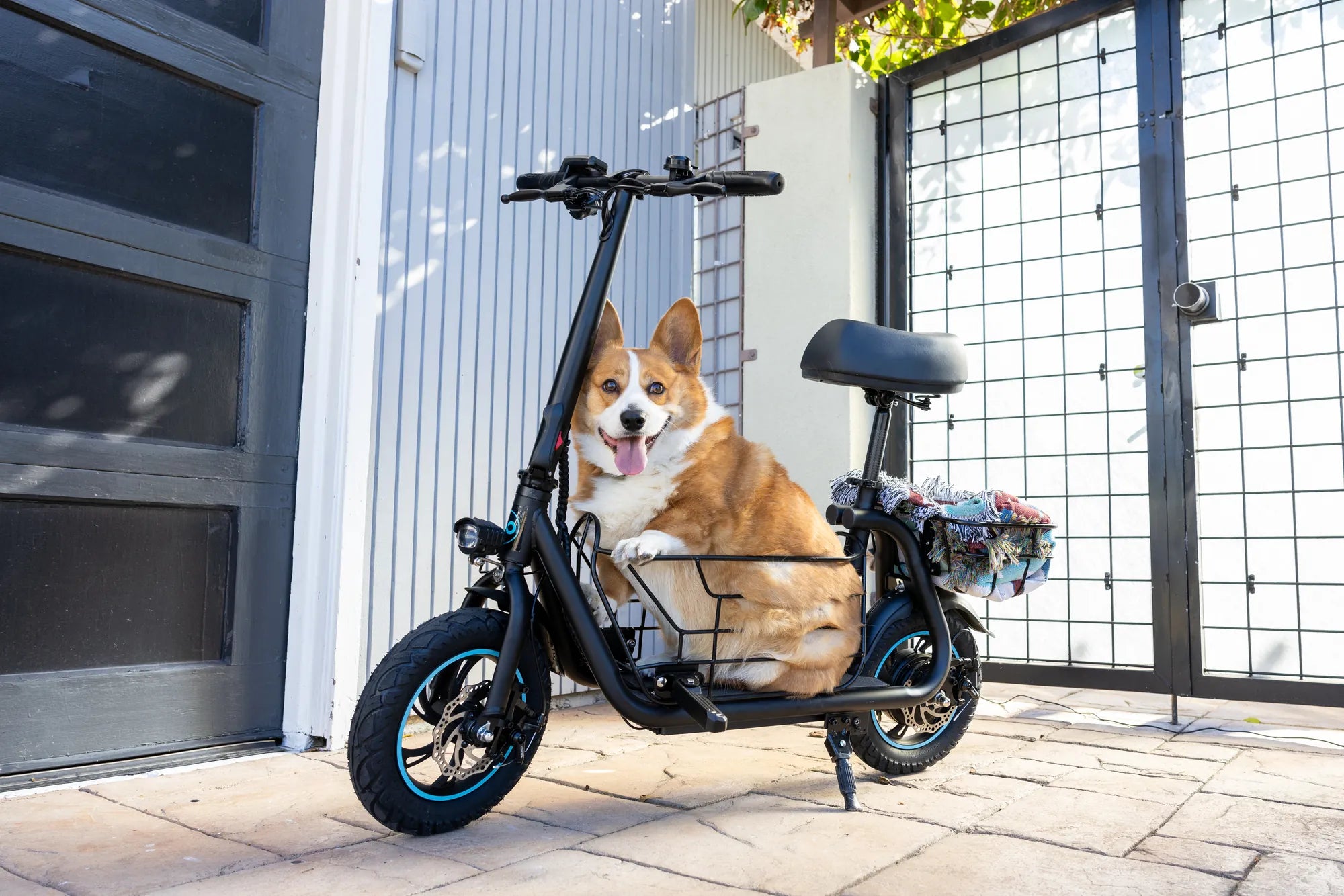
Few things are as frustrating as an electric scooter motor that suddenly stops working. Whether you rely on your scooter for daily commutes or weekend adventures, a malfunctioning motor can bring your plans to a screeching halt. But before you rush to replace the entire unit, there are several troubleshooting steps you can take to diagnose and potentially fix the issue yourself. This guide will walk you through the most common motor problems and their solutions, saving you time and money.
Understanding Electric Scooter Motor Basics
Electric scooter motors are relatively simple devices that convert electrical energy into mechanical motion. Most modern scooters use brushless DC motors (BLDC) for their efficiency and durability. The motor works in conjunction with several key components:
- The controller (which regulates power delivery)
- The battery (which provides electrical energy)
- The throttle (which sends speed signals to the controller)
- The wiring harness (which connects all components)
When your motor isn't functioning properly, the issue could stem from any of these interconnected systems. That's why a systematic approach to troubleshooting is essential.
Step 1: Diagnosing the Problem
Before attempting any repairs, you need to identify the root cause of the motor failure. Start by observing the symptoms:
- No power at all: The motor doesn't respond when you engage the throttle.
- Intermittent operation: The motor works sometimes but cuts out unexpectedly.
- Reduced power: The scooter moves but lacks its normal acceleration and top speed.
- Unusual noises: The motor makes grinding, clicking, or screeching sounds.
Step 2: Checking the Electrical Connections
Loose or corroded connections are among the most common causes of motor failure. Follow these steps:
- Disconnect the battery before inspecting any wiring.
- Locate the motor connectors (usually near the rear wheel).
- Check for visible damage, corrosion, or loose terminals.
- Clean any corroded contacts with electrical contact cleaner.
- Ensure all connectors are securely seated.
Step 3: Testing the Motor
To isolate whether the problem is with the motor itself, you can perform a simple test:
- Lift the scooter so the rear wheel is off the ground.
- Disconnect the motor from the controller.
- Using a multimeter, check the motor's phase wires for continuity.
- Spin the wheel manually - you should see voltage generated on the multimeter.
- If there's no continuity or voltage generation, the motor may need replacement.
Step 4: Inspecting the Controller
The controller is the brain of your electric scooter's power system. To check it:
- Locate the controller (usually under the deck or near the battery).
- Inspect for water damage, burnt components, or swollen capacitors.
- Check all wiring connections to and from the controller.
- If possible, test with a known-good controller to rule out motor issues.
Step 5: Addressing Mechanical Issues
Sometimes the problem isn't electrical but mechanical. Check for:
- Bent or damaged motor shafts
- Worn bearings (listen for grinding noises)
- Debris stuck in the motor housing
- Damaged gears in geared motor systems
Step 6: When to Seek Professional Help
While many motor issues can be fixed at home, some situations require professional assistance:
- Severe water damage to motor or controller
- Burnt or melted wiring that indicates serious electrical faults
- Complex internal motor damage requiring specialized tools
- If you're uncomfortable working with electrical systems
Remember that working on electric scooter motors involves high currents. Always prioritize safety by disconnecting the battery before any repairs and wearing appropriate protective gear.
With these troubleshooting steps, you've now got the knowledge to diagnose and potentially fix your electric scooter motor issues. Don't let a malfunctioning motor keep you off the road - armed with this guide, you're well-equipped to get your scooter running smoothly again. The satisfaction of solving the problem yourself is just one more reason to love your electric ride!
Best Electric Scooter Top Speed: How Fast Can You Really Go?
25 km Speed Electric Scooter: The Ultimate Urban Commuting Solution