



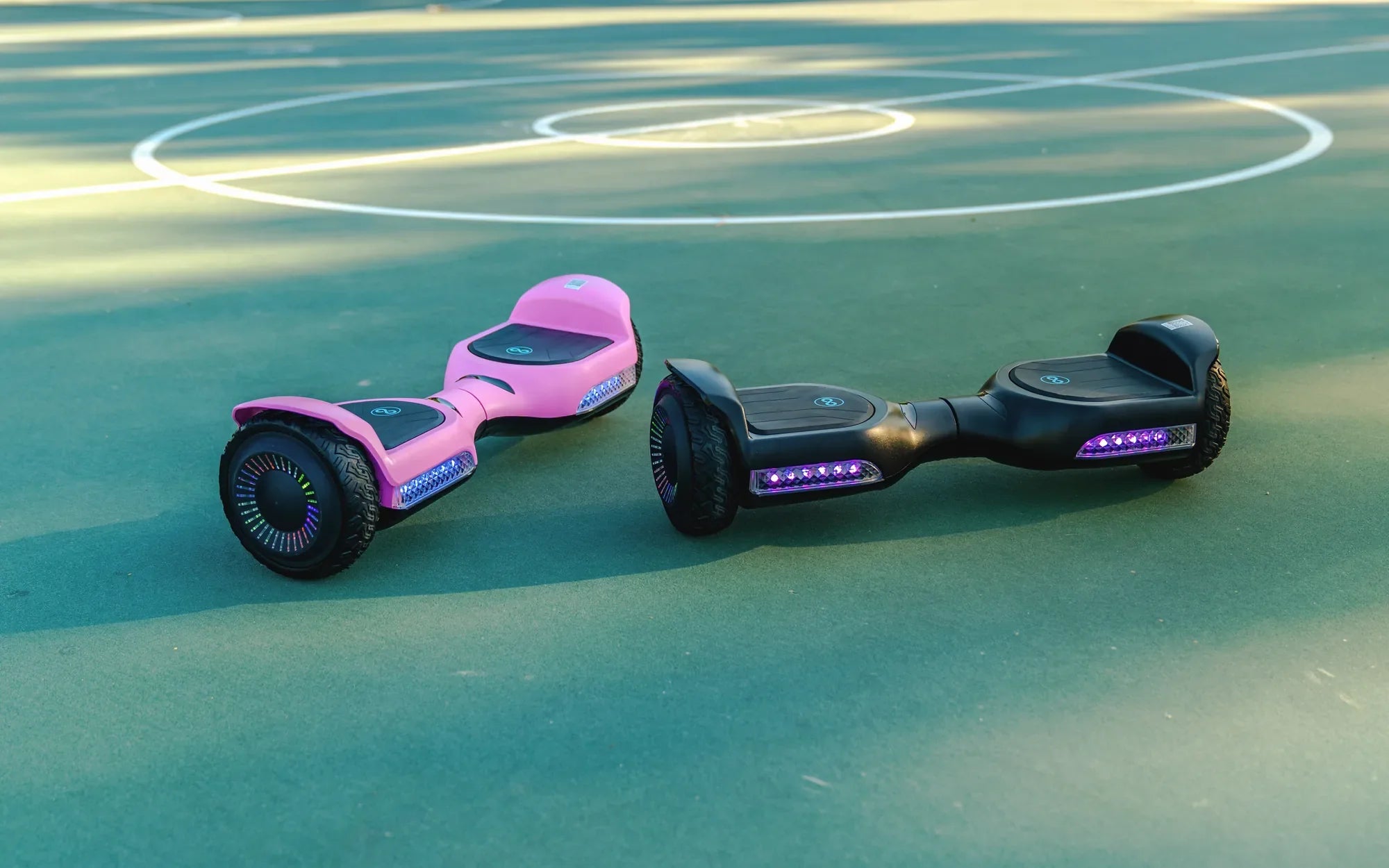
Ever dreamed of gliding effortlessly on your very own hoverboard? While commercial models dominate the market, building one yourself is an exhilarating challenge that combines creativity, engineering, and a bit of science. Whether you're a hobbyist or a tech enthusiast, this guide will walk you through the process of creating a hoverboard that actually works.
Understanding the Basics of Hoverboard Technology
Before diving into construction, it's crucial to grasp how hoverboards function. At their core, hoverboards rely on a combination of magnetic levitation and precise balance control. The key components include:
- Magnetic levitation system
- Gyroscopic sensors for stability
- Power source (typically lithium-ion batteries)
- Control board for managing movement
Gathering the Necessary Materials
Building a hoverboard requires specific materials to ensure functionality and safety. Here's what you'll need:
- Strong neodymium magnets
- Gyroscopic sensors
- Lithium-ion battery pack
- Control board with Bluetooth capability
- Durable frame material (aluminum or carbon fiber)
- Wheels or hover pads
Step-by-Step Assembly Process
Follow these steps carefully to assemble your hoverboard:
- Frame Construction: Build a lightweight yet sturdy frame to house all components.
- Magnetic System Installation: Arrange the magnets to create a stable levitation effect.
- Sensor Placement: Position gyroscopic sensors to detect balance and movement.
- Power System Integration: Connect the battery pack to the control board.
- Testing and Calibration: Power on the system and adjust settings for optimal performance.
Safety Considerations
When working with powerful magnets and electrical components, safety is paramount:
- Always wear protective gloves when handling magnets
- Work in a well-ventilated area when soldering
- Test the hoverboard in a controlled environment first
- Consider adding emergency shut-off features
Troubleshooting Common Issues
Even with careful assembly, you might encounter some challenges:
- Inconsistent Levitation: Check magnet alignment and spacing
- Power Drain: Verify battery connections and capacity
- Control Issues: Recalibrate sensors and check Bluetooth connectivity
Enhancing Your Hoverboard's Performance
Once your basic model is working, consider these upgrades:
- Add LED lighting for visibility
- Incorporate a smartphone app for advanced controls
- Experiment with different wheel or hover pad designs
- Improve battery life with higher capacity cells
Imagine the thrill of stepping onto a hoverboard you built with your own hands, feeling it respond to your movements as you glide smoothly across surfaces. With patience, attention to detail, and this comprehensive guide, you're now equipped to turn that vision into reality. The world of personal transportation will never look the same once you've mastered the art of hoverboard creation.
What Sound Does a Hoverboard Make: The Science Behind the Futuristic Noise
How to Fix an Overcharged Hoverboard: A Step-by-Step Guide