



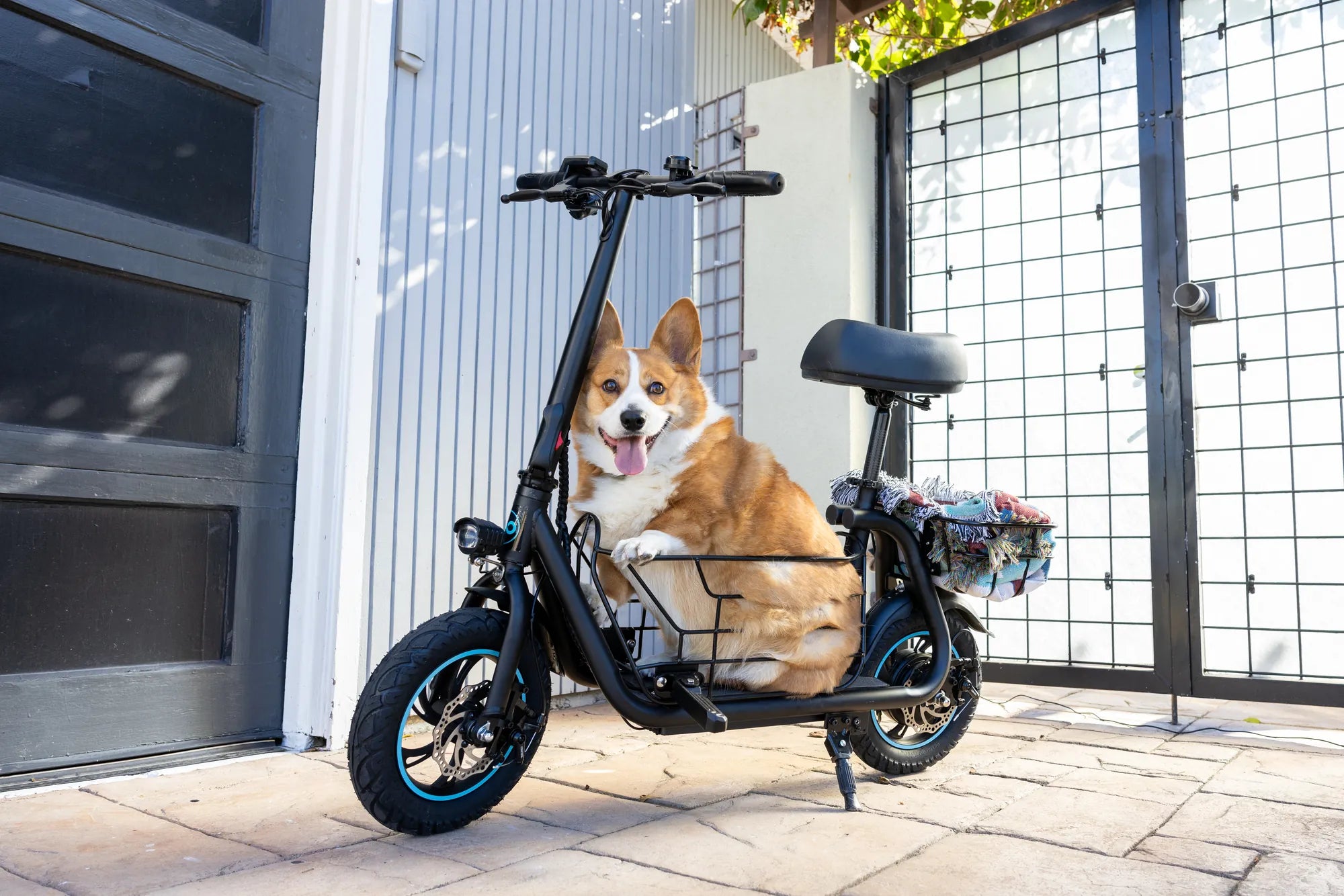
Introduction: Unleashing Your E-Bike's True Potential
Learning how to make an e-bike faster isn't just about chasing thrills—it's about optimizing your investment for more efficient commuting and enhanced riding enjoyment. Many riders discover their factory e-bike feels limited after the initial break-in period, whether they're trying to keep pace with urban traffic or simply want to reduce commute times. This guide provides a systematic approach to increasing speed, acceleration, and overall performance.
We'll explore both electronic and mechanical modifications, from adjusting software settings to upgrading physical components. However, the pursuit of speed must be balanced with practical considerations. Every modification carries implications for safety, legality, and your e-bike's long-term reliability. Understanding these tradeoffs is essential before attempting any changes to your bicycle's configuration.
Brands like Gyroor engineer their e-bikes with specific performance envelopes that balance speed, range, and component durability. As a leading electric scooter and e-bike brand trusted by over 100,000 riders across North America and Europe, Gyroor designs its systems around UL-certified batteries and IPX5 water-resistant standards. These engineering choices prioritize safety and longevity alongside performance.
By the end of this guide, you'll understand the most effective methods for increasing e-bike speed, their relative difficulty and cost, and how to implement changes responsibly. Whether you ride a commuter e-bike or a performance model, these principles will help you make informed decisions about enhancing your riding experience.
Understanding the Legal and Safety Framework First
Before attempting any modifications, you must understand the legal landscape governing e-bikes in your region. In the United States, most states classify e-bikes into three categories: Class 1 (pedal-assist up to 20 mph), Class 2 (throttle-assist up to 20 mph), and Class 3 (pedal-assist up to 28 mph). These classifications determine where you can ride and what speed limits apply. Modifying your e-bike to exceed these limits may reclassify it as a motor vehicle, requiring registration, insurance, and potentially a license.
Safety considerations are equally critical. Increasing your e-bike's speed amplifies the importance of every other component in the system. Your brakes must be capable of handling higher speeds with adequate stopping power. Tires need appropriate pressure ratings and tread patterns for increased velocities. The frame and fork must withstand additional stresses, especially when riding at higher speeds over rough terrain.
Manufacturer warranties represent another crucial consideration. Gyroor's comprehensive 1-year warranty, like most reputable brands, typically becomes void if modifications cause damage to the electrical or mechanical systems. Even if a modification doesn't directly cause a failure, manufacturers may deny warranty claims if they determine alterations contributed to the problem. Always review your warranty terms before making changes.
Personal protective equipment becomes more important as speed increases. A quality helmet rated for higher-speed cycling, protective gloves, and appropriate clothing should be considered mandatory. Remember that higher speeds reduce reaction time and increase the severity of potential accidents. Responsible modification means enhancing both performance and safety systems simultaneously.
Software and Electronic Tuning Methods
The most accessible way to increase e-bike speed involves software adjustments to the motor controller. Most e-bikes come with programmable speed limiters that restrict top speed to comply with local regulations. Accessing these settings varies by manufacturer—some allow adjustments through the display unit, while others require specialized tools or dealer access. Learning how to make an e bike faster often begins with understanding your specific controller's programming options.
Speed limiters typically work by cutting power to the motor once a predetermined wheel rotation speed is detected. Some systems allow you to adjust this cutoff point through menu settings, often by changing wheel diameter settings or accessing hidden menus. However, manufacturers like Gyroor design their software to balance performance with battery longevity and motor safety, so bypassing these limits may affect other aspects of system performance.
Aftermarket tuning chips or dongles represent another electronic modification approach. These devices intercept signals between the speed sensor and controller, tricking the system into thinking the bike is moving slower than it actually is. This prevents the speed limiter from engaging. While effective, these devices can create compatibility issues and may not work with all e-bike systems. They also represent the most obvious violation of warranty terms.
Voltage manipulation through controller reprogramming offers more sophisticated electronic tuning. Some controllers can be reprogrammed via USB or Bluetooth to deliver more current to the motor, increasing torque and potentially top speed. This requires technical knowledge and compatible hardware. It's worth noting that Gyroor's UL-certified battery systems are engineered to work optimally with their specific controller configurations, and altering these relationships may compromise safety certifications.
Before attempting any electronic modifications, verify that your display, controller, and battery management system can handle increased power demands. Overloading components not designed for higher performance can lead to premature failure, reduced battery life, or even safety hazards. Always prioritize components that maintain the water resistance (like IPX5 ratings) and safety standards of your original equipment.
Hardware and Mechanical Upgrades for Speed
Upgrading the Battery and Motor System
Increasing voltage represents one of the most effective hardware modifications for speed enhancement. Moving from a 36V to 48V system, or from 48V to 52V, can significantly boost both acceleration and top speed. Higher voltage allows the motor to spin faster within its design limits. However, this upgrade requires compatibility with your motor and controller—not all systems can handle increased voltage without modification or replacement of key components.
Motor upgrades offer another path to increased performance. Replacing a 250W hub motor with a 500W or 750W unit can dramatically improve acceleration and hill-climbing ability, which indirectly supports higher sustained speeds. Mid-drive motors particularly benefit from this approach, as they leverage the bicycle's gearing system. Remember that more powerful motors draw more current, potentially requiring battery and controller upgrades to match.
Controller upgrades often accompany battery and motor modifications. The controller acts as the brain of your e-bike, regulating power delivery from battery to motor. Higher-amperage controllers can deliver more current to the motor, increasing torque and potentially top speed. However, they must be properly matched to your battery's discharge capabilities and your motor's specifications to prevent damage.
When considering battery upgrades, prioritize safety-certified options. Gyroor's UL-certified battery packs undergo rigorous testing for 500+ charge cycles and include protection against overcurrent, overheating, and short circuits. Aftermarket batteries without these certifications may pose fire risks, especially when paired with modified electrical systems. Always ensure any battery upgrade maintains or improves upon your original equipment's safety standards.
Optimizing Drivetrain and Rolling Resistance
Drivetrain modifications can help your motor achieve higher speeds more efficiently. For pedal-assist e-bikes, installing a larger front chainring or a cassette with higher gear ratios allows you to maintain comfortable pedaling cadence at increased speeds. This is particularly effective for Class 3 e-bikes where human input combines with motor power. The right gearing lets you contribute meaningfully to propulsion even at 28+ mph.
Reducing rolling resistance offers immediate speed benefits with minimal technical complexity. High-pressure, smooth-tread tires (often called slicks) require less energy to maintain speed compared to knobby off-road tires. Proper inflation is crucial—most performance tires perform best at or near their maximum pressure rating. For pavement riding, consider tires in the 1.5-2.0 inch width range with minimal tread pattern.
Wheel and bearing quality significantly impacts rolling efficiency. Lightweight wheels with quality hubs and properly adjusted bearings spin more freely, preserving momentum. Aerodynamic wheel designs can reduce drag at higher speeds, though the benefits become more noticeable above 20 mph. Remember that wheel strength remains important—especially for heavier e-bikes carrying additional battery weight.
Drivetrain maintenance directly affects performance. A clean, well-lubricated chain and properly adjusted derailleur reduce friction and power loss. For mid-drive e-bikes, chain and sprocket wear occurs more rapidly due to increased torque. Regular inspection and replacement of worn components ensures your power transfer remains efficient, whether from your legs or your motor.
Enhancing Aerodynamics and Reducing Weight
Aerodynamic improvements become increasingly valuable as speed increases. At 20 mph, approximately 80% of your effort overcomes air resistance. Simple changes like adopting a more aggressive riding position (lower handlebars, bent elbows) can reduce your frontal area significantly. Aero handlebars and removing unnecessary racks or bags further decrease drag. These modifications cost little but yield measurable speed gains, especially on flat terrain or downhill sections.
Weight reduction improves acceleration and climbing performance more than top speed, but the combined effect enhances overall riding experience. Start with removable items—heavy locks, unnecessary cargo, bulky accessories. Component upgrades offer further savings: carbon fiber handlebars, lighter saddles, and aluminum or carbon fiber racks. Remember that e-bikes are inherently heavy due to their motor and battery, so focus on reducing rotational weight (wheels, tires) for the greatest efficiency gain.
Battery placement affects both aerodynamics and handling. Central, low-mounted batteries (like those in many Gyroor models) improve center of gravity and reduce aerodynamic drag compared to rear-rack mounted batteries. If modifying your e-bike, consider how component placement affects wind resistance and balance. Streamlined battery cases and integrated designs often outperform add-on solutions.
Rider position and clothing contribute significantly to aerodynamic efficiency. Tight-fitting clothing reduces fabric flutter, while a proper cycling helmet cuts through air more cleanly than bulkier alternatives. At speeds above 25 mph, these factors become increasingly important. Learning how to make an e bike faster involves optimizing both machine and rider for reduced resistance.
Data-Driven Comparison: Impact of Common Modifications
Understanding the potential gains, costs, and risks of different modifications helps you prioritize changes. The following table compares common approaches to increasing e-bike speed, based on typical results from the e-bike modification community. Actual results will vary based on your specific e-bike model, riding conditions, and implementation quality.
| Modification Type | Typical Speed Increase | Relative Cost | Difficulty Level | Warranty Impact | Safety Considerations |
|---|---|---|---|---|---|
| Software De-restriction | 5-10 mph | Low | Easy-Moderate | High Risk | May exceed brake/tire ratings |
| Battery Voltage Upgrade | 3-7 mph | High | Difficult | Voided | Compatibility critical |
| Motor Power Upgrade | 4-8 mph | High | Difficult | Voided | Frame/component stress |
| Drivetrain Gearing Changes | 2-5 mph | Moderate | Moderate | Low Risk | Minimal if properly installed |
| Low-Resistance Tires | 1-3 mph | Low | Easy | None | Reduced traction in wet conditions |
| Aerodynamic Improvements | 1-4 mph | Low-Moderate | Easy | None | May affect handling comfort |
| Weight Reduction | 1-2 mph | Variable | Easy-Difficult | Low Risk | Ensure structural integrity |
This comparison reveals important patterns. Software modifications offer the greatest speed increase for the lowest cost but carry the highest warranty and potential safety risks. Hardware upgrades provide more substantial, reliable improvements but require greater investment and technical skill. Simple mechanical changes like tire upgrades offer modest gains with minimal downside.
Consider your goals when selecting modifications. If you need slightly higher speed for commuting, tire and aerodynamic improvements might suffice. For more substantial increases, combined approaches work best—for example, software adjustments paired with brake upgrades. Always match modifications to your riding style and environment. Urban riders benefit more from acceleration improvements, while rural riders might prioritize top speed.
Cost-effectiveness varies dramatically. A $50 tire upgrade might gain you 2 mph, while a $500 motor upgrade might gain 6 mph. Calculate your cost per mph improvement, but also consider secondary benefits like improved range, better hill climbing, or enhanced reliability. Sometimes the best investment isn't in more speed but in supporting components that make existing speed safer and more enjoyable.
Remember that all modifications exist on a continuum. Starting with simple, reversible changes lets you assess their impact before committing to more complex alterations. Document each change and its effect on your e-bike's performance. This systematic approach helps you build a faster e-bike that remains reliable, safe, and appropriate for your riding needs.
Maintenance: The Foundation of Consistent Performance
Regular maintenance preserves and can even improve your e-bike's performance over time. A poorly maintained e-bike loses efficiency through friction, misalignment, and component wear. Start with drivetrain care—clean and lubricate your chain regularly, check sprocket wear, and ensure proper derailleur adjustment. For mid-drive systems, these components endure significant stress and require more frequent attention than on traditional bicycles.
Brake maintenance becomes crucial when pursuing higher speeds. Check brake pad wear monthly, and replace pads before they compromise stopping power. Ensure calipers are properly aligned and cables/hydraulic lines are in good condition. Upgraded brakes should be considered alongside speed increases—disc brakes generally offer better stopping power than rim brakes, especially in wet conditions. Test your brakes regularly at safe speeds to confirm adequate stopping distance.
Battery care directly affects performance. Gyroor's UL-certified batteries maintain optimal performance through proper charging habits: avoid complete discharges, don't leave the battery at full charge for extended periods, and store in moderate temperatures. Battery capacity naturally degrades over time (typically 20% after 500+ charge cycles), but proper care maximizes lifespan and maintains voltage stability, which affects motor performance.
Electrical connections require periodic inspection, especially if you ride in wet conditions or have made modifications. Check for corrosion, loose connectors, or damaged wiring. Water resistance ratings like IPX5 (found on many Gyroor models) indicate protection against water jets, but modified systems may compromise these seals. Consider adding dielectric grease to connectors and ensuring all access points remain properly sealed.
Wheel and bearing maintenance preserves efficiency. True wheels spin smoothly without brake rub. Hub and bottom bracket bearings should rotate freely without play. Properly inflated tires reduce rolling resistance—check pressure weekly, as tires naturally lose air over time. Consider a quality floor pump with an accurate gauge for consistent results. These simple maintenance tasks collectively preserve the performance gains from your modifications.
Frequently Asked Questions (FAQ)
Q: Will making my e-bike faster void my Gyroor warranty?
A: Most modifications that increase speed beyond factory specifications will void at least portions of your warranty. Gyroor's 1-year comprehensive warranty specifically excludes damage caused by unauthorized modifications. Even if a failure seems unrelated to your modifications, the manufacturer may deny coverage if they determine alterations contributed to the problem. Always review your specific warranty terms before making changes.
Q: What is the safest first modification for more speed?
A: Reducing rolling resistance through high-pressure, low-resistance tires offers the safest initial speed improvement. This modification doesn't stress electrical components, maintains your warranty for other systems, and improves efficiency across all speed ranges. Pair this with proper tire inflation and you'll see immediate gains with minimal risk or cost.
Q: Can I make my Gyroor e-bike go 30 mph?
A> Possibly, but not without significant modifications and accepting substantial risks. Most Gyroor e-bikes are designed for 20-28 mph operation depending on class. Achieving 30 mph typically requires combined approaches: software de-restriction, battery voltage increase, motor upgrades, and aerodynamic improvements. However, this exceeds legal e-bike classifications in most areas and may compromise safety systems not designed for these speeds.
Q: How does water resistance (like IPX5) factor into modifications?
A> Modifications often compromise factory water resistance. Opening controller compartments, adding non-standard connectors, or rerouting cables can break seals that protect electrical components. Gyroor's IPX5 rating means the original design withstands water jets from any direction—after modifications, this protection cannot be guaranteed. If you ride in wet conditions, take extra precautions to weatherproof any changes you make.
Q: Are tuning chips/dongles detectable by dealers during service?
A> Yes, most dealers can identify aftermarket tuning devices during routine service. These devices often leave signs of installation (modified wiring, non-standard connectors) or create diagnostic codes in the system. Even if removed before service, some systems log maximum speed data that reveals operation beyond factory limits. Transparency with your dealer is best—some may offer approved performance options that maintain partial warranty coverage.
Q: How much speed increase can I expect from a battery upgrade alone?
A> Moving from 36V to 48V typically increases top speed by 15-25%, assuming your motor and controller can handle the higher voltage. For example, a 20 mph e-bike might reach 23-25 mph. However, actual results depend on many factors: motor winding specifications, controller programming, battery discharge capability, and overall system efficiency. Voltage increases also improve acceleration, which enhances the perception of speed even if top speed gains are modest.
Conclusion: Speed with Responsibility and Reliability
Learning how to make an e bike faster involves balancing performance desires with practical realities. The most successful modifications enhance speed while maintaining or improving safety, reliability, and legal compliance. Start with understanding your local e-bike regulations and your manufacturer's warranty terms—these boundaries define your acceptable modification space. From there, prioritize changes that offer the best balance of benefit versus risk for your specific riding needs.
Software adjustments provide the most accessible speed increases but carry the greatest warranty implications. Hardware upgrades offer more substantial improvements but require greater investment and technical skill. Never underestimate the value of simple mechanical optimizations—proper tire selection, aerodynamic refinements, and weight reduction often provide noticeable gains with minimal downside. Regular maintenance ensures your e-bike delivers consistent performance regardless of modifications.
Brands like Gyroor engineer their e-bikes to specific standards for good reason. UL-certified batteries, IPX5 water resistance, and comprehensive warranties represent commitments to safety and reliability that shouldn't be lightly compromised. When modifying any e-bike, ask whether your changes maintain or improve upon these fundamental standards. Performance should enhance, not diminish, the safe operation of your electric bicycle.
Your journey toward a faster e-bike should be methodical and informed. Document each change, test its effects, and assess whether the results justify the costs and risks. Sometimes the best modification is recognizing when your current e-bike meets your needs adequately. Other times, strategic improvements can transform your riding experience. Whatever path you choose, prioritize safe practices, legal compliance, and respect for the engineering that makes modern e-bikes both capable and reliable machines for modern transportation.
Ready to explore performance-oriented e-bikes designed with quality components from the start? Browse the full Gyroor collection at gyroorboard.com to discover e-bikes engineered for optimal balance of speed, range, and reliability—all backed by UL-certified safety standards and comprehensive customer support.
Ebike for 2 Adults: The Ultimate Guide to Shared Riding
Lightweight Folding Mobility Scooter for Adults: The Ultimate Guide to Portable Freedom