



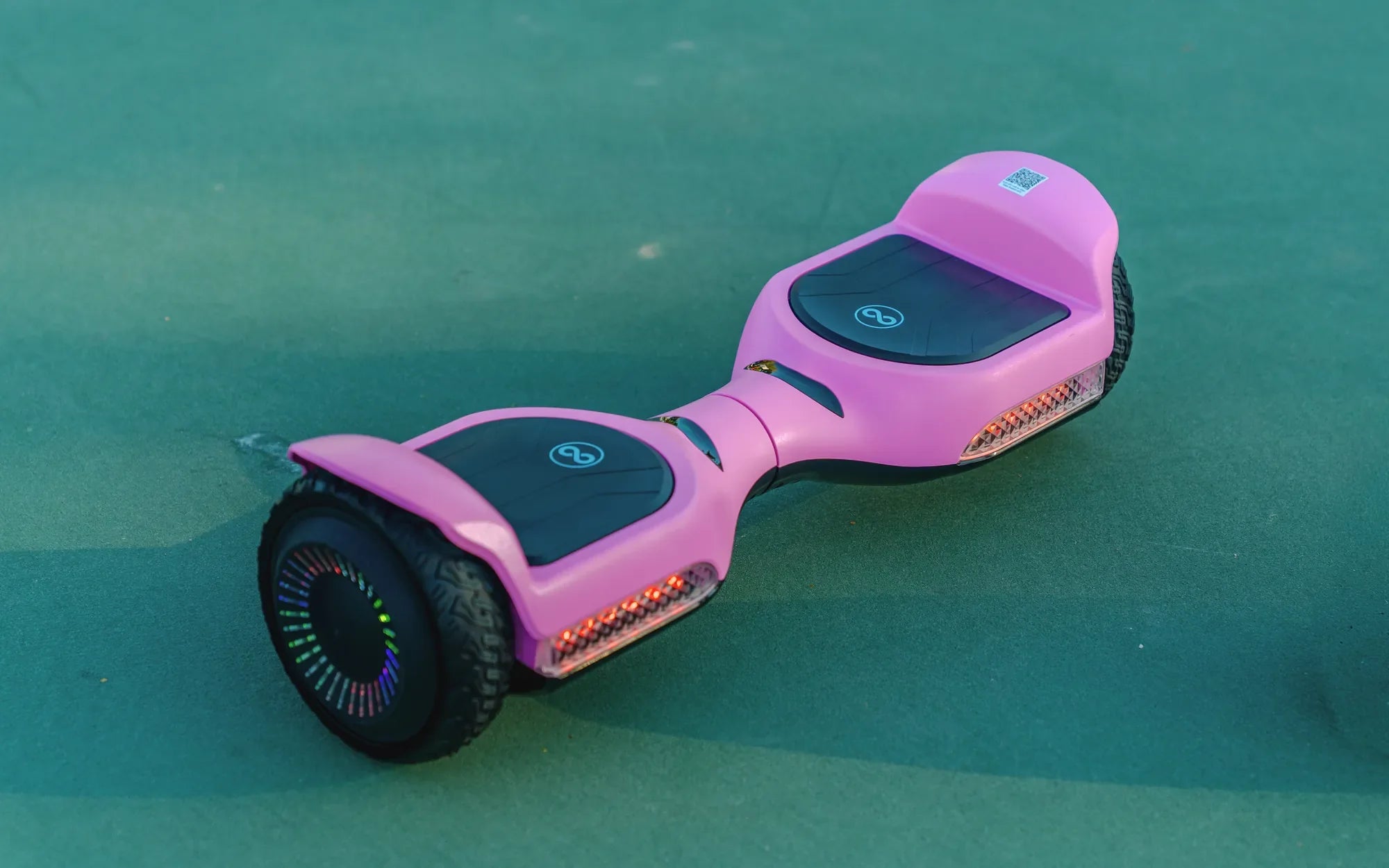
Ever watched someone glide effortlessly on a hoverboard and wished you could do the same? The good news is, with the right approach, anyone can learn how to ride a hoverboard like a pro. Whether you're a complete beginner or looking to refine your skills, this step-by-step guide will help you build confidence and control on your hoverboard.
Getting Started: Safety First
Before you even step onto a hoverboard, it's crucial to prioritize safety. Wearing protective gear like a helmet, knee pads, and wrist guards can prevent serious injuries if you fall. Choose a flat, open area free of obstacles for your first practice sessions. Avoid slopes, uneven terrain, or crowded spaces until you're comfortable with the basics.
Mounting Your Hoverboard
The first challenge many beginners face is simply getting on the hoverboard. Start by placing the hoverboard on a stable surface. Hold onto a wall or railing for support as you step onto the footpads one foot at a time. Keep your feet parallel and shoulder-width apart for balance. Don't look down at your feet—focus straight ahead to maintain stability.
Finding Your Balance
Once you're on the hoverboard, relax your body and keep your knees slightly bent. The key to balancing is subtle weight shifts. Practice shifting your weight forward and backward to get a feel for how the hoverboard responds. If you feel unstable, step off and try again. It's normal to wobble at first—persistence is key!
Moving Forward and Backward
To move forward, lean slightly forward from your ankles (not your waist). The more you lean, the faster you'll go. To stop or move backward, shift your weight back to a neutral position or lean slightly backward. Start with small movements and gradually increase your speed as you gain confidence.
Turning and Steering
Turning on a hoverboard is all about foot pressure. To turn right, press your right toes down slightly while lifting your left toes. For a left turn, do the opposite. Start with wide, gentle turns and practice until you can make tighter maneuvers smoothly.
Advanced Techniques
Once you've mastered the basics, you can try more advanced moves like spinning in place, riding in circles, or navigating obstacles. Always practice new techniques in a safe environment and at slow speeds until you're comfortable.
Common Mistakes to Avoid
Many beginners make the mistake of looking down at their feet, which throws off their balance. Others lean too far forward or backward, causing sudden acceleration or stops. Remember to keep your movements smooth and controlled, and always be aware of your surroundings.
Practice Drills for Improvement
Set up a simple obstacle course with cones or markers to practice your turns and stops. Time yourself completing the course and try to improve your speed and precision. Another great drill is practicing emergency stops by leaning back quickly from different speeds.
Building Confidence
Like any skill, hoverboarding takes time to master. Start with short practice sessions (10-15 minutes) and gradually increase the duration as your muscles adapt. Celebrate small victories, like your first successful turn or a longer ride without stepping off.
Ready to take your hoverboard skills to the next level? With consistent practice and these expert tips, you'll be gliding like a natural in no time. Remember, every pro was once a beginner—your hoverboard adventure starts with that first confident ride!
Hoverboard Charger Blinking Red Light: Causes, Fixes, and Safety Tips
Hoverboard Charger Blinking Red Light: Causes, Fixes, and Safety Tips