


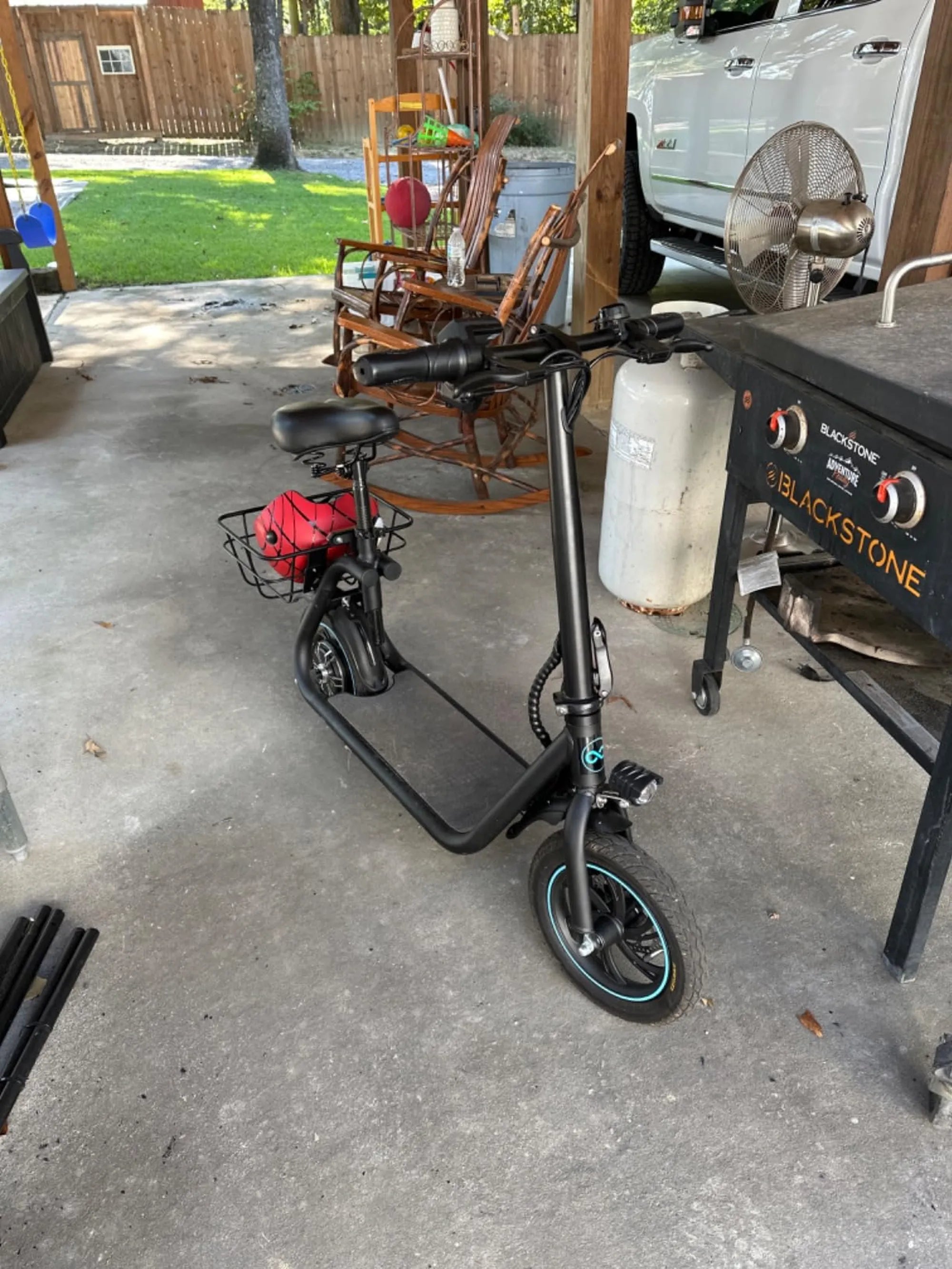
Riding a self-balancing electric scooter might seem intimidating at first, but with the right approach, anyone can master it in no time. Whether you're a complete beginner or looking to refine your skills, this step-by-step guide will help you glide smoothly and safely.
Understanding Your Self-Balancing Electric Scooter
Before you hop on, it's essential to familiarize yourself with the scooter's design and functionality. Most self-balancing scooters consist of two motorized wheels connected by a platform. The scooter uses gyroscopic sensors to detect shifts in your body weight, allowing it to move forward, backward, or turn based on your movements.
Step 1: Find a Safe Practice Area
Start in an open, flat space free from obstacles, such as a park or empty parking lot. Avoid crowded areas or uneven terrain until you're comfortable with the basics.
Step 2: Mounting the Scooter
Place the scooter on a flat surface and turn it on. Stand beside the scooter and place one foot firmly on the platform, keeping your weight centered. Once stable, quickly place your other foot on the platform. Hold onto a wall or railing for support if needed.
Step 3: Balancing and Standing Still
Keep your knees slightly bent and your feet shoulder-width apart. Distribute your weight evenly to maintain balance. Avoid leaning too far forward or backward while stationary.
Step 4: Moving Forward and Backward
To move forward, gently lean your body forward while keeping your core engaged. The scooter will respond by moving in that direction. To stop or move backward, shift your weight slightly backward. Start with small movements to get a feel for the scooter's sensitivity.
Step 5: Turning and Steering
To turn left or right, apply slight pressure with one foot while easing off with the other. For example, pressing your right toe down will make the scooter turn left, and vice versa. Practice slow, wide turns before attempting sharper ones.
Step 6: Dismounting Safely
When you're ready to stop, slow down and shift your weight to one foot. Step off with the other foot first, then bring the second foot down. Always dismount backward to avoid tipping the scooter forward.
Safety Tips for Riding a Self-Balancing Scooter
- Wear a helmet and protective gear, especially when learning.
- Avoid riding on wet or slippery surfaces.
- Start at a slow speed and gradually increase as you gain confidence.
- Be mindful of pedestrians and traffic when riding in public spaces.
- Regularly check the scooter's battery and tire pressure.
Common Mistakes to Avoid
Many beginners make the mistake of leaning too far forward or backward, which can cause loss of control. Others try to turn too sharply before mastering basic balance. Take your time and practice consistently to avoid these pitfalls.
Advanced Techniques for Experienced Riders
Once you're comfortable with the basics, you can experiment with tighter turns, riding on slight inclines, or even small tricks. Always prioritize safety and avoid pushing your limits in risky environments.
Ready to take your self-balancing electric scooter skills to the next level? With patience and practice, you'll be gliding effortlessly in no time. Happy riding!
12V Electric Scooter Motor: The Ultimate Guide to Power and Performance
Electric Scooter 6 Battery: The Ultimate Guide to Long-Lasting Power and Performance