

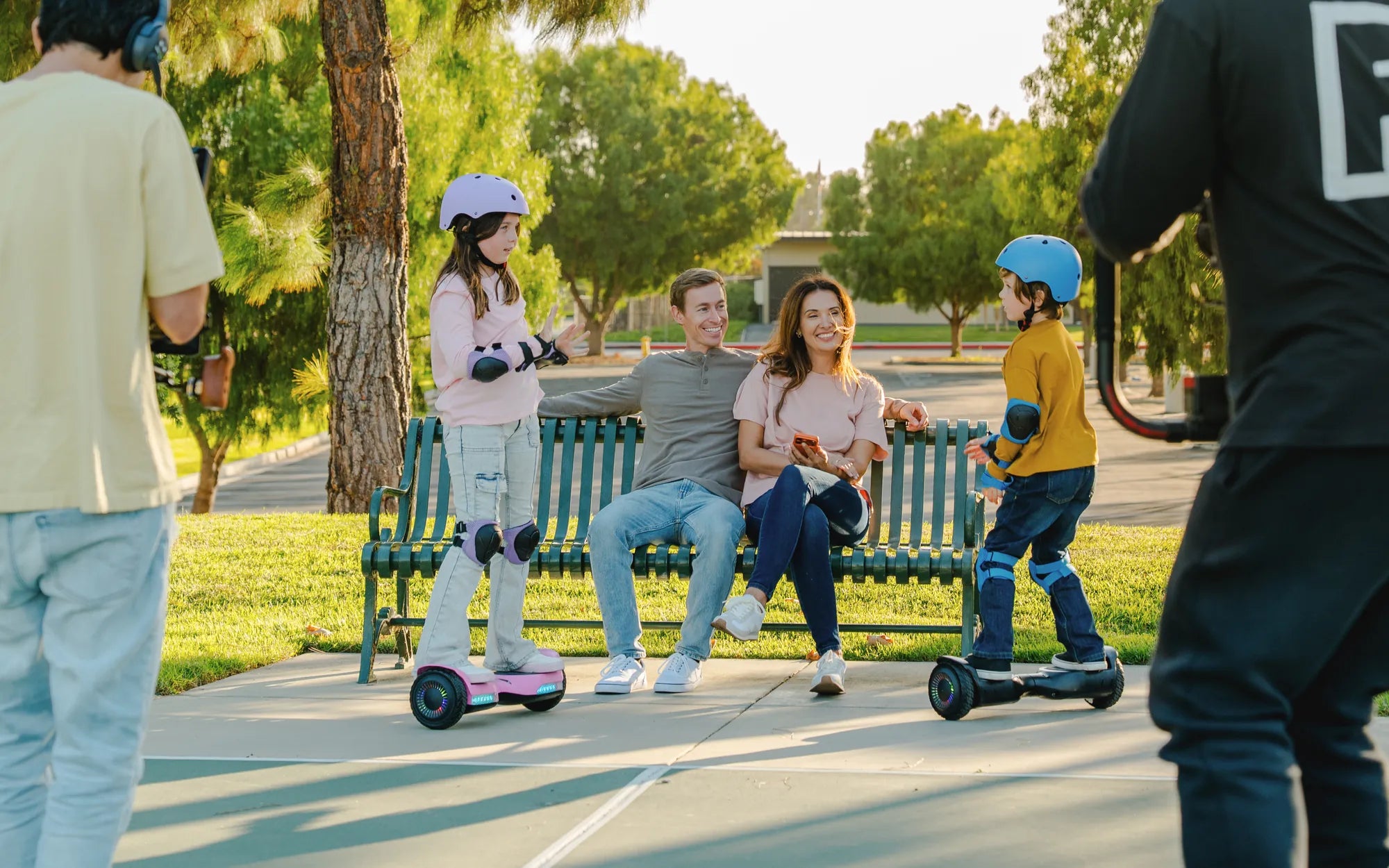
Watching your child glide effortlessly on a hoverboard is a thrilling moment, but getting there requires patience, practice, and the right approach. If you're wondering how to teach a kid to ride a hoverboard safely and effectively, this guide is your go-to resource. From choosing the right gear to mastering balance and control, we'll walk you through every step to ensure a smooth and enjoyable learning experience.
1. Start with Safety First
Before your child even steps onto a hoverboard, safety should be your top priority. Ensure they wear a helmet, knee pads, elbow pads, and wrist guards. These protective gears can prevent injuries and boost their confidence while learning. Explain the importance of safety and make it a non-negotiable rule.
2. Choose the Right Hoverboard
Not all hoverboards are created equal, especially when it comes to kids. Look for a model with a lower speed limit, sturdy construction, and beginner-friendly features. A lightweight hoverboard with a responsive motor will make it easier for your child to control.
3. Find a Safe Practice Area
Pick a flat, open space free of obstacles like rocks, cracks, or traffic. A smooth driveway, empty parking lot, or indoor space with enough room is ideal. Avoid slopes or uneven terrain until your child gains more confidence.
4. Teach the Basics of Balance
Start by having your child stand on the hoverboard while it's turned off. Let them get a feel for the foot placement and practice shifting their weight. Once they're comfortable, turn it on and hold their hands as they practice balancing. Encourage small movements to build their confidence.
5. Master the Art of Moving Forward and Backward
Show your child how to lean forward slightly to move ahead and lean back to stop or reverse. Start with slow, controlled movements and remind them to keep their knees slightly bent for better stability. Practice short distances until they get the hang of it.
6. Introduce Turning Techniques
Once your kid can move forward and backward smoothly, teach them how to turn. Explain that shifting their weight to one foot will make the hoverboard pivot. Start with wide turns and gradually progress to sharper ones as they improve.
7. Practice Stopping and Dismounting Safely
Stopping is just as important as moving. Teach your child to lean back gently to slow down and come to a complete stop. Show them how to step off one foot at a time to avoid losing balance.
8. Build Confidence with Fun Exercises
Turn practice into play by setting up simple challenges like weaving through cones or following a straight line. Celebrate small victories to keep your child motivated and excited about learning.
9. Gradually Increase Difficulty
As your child becomes more comfortable, introduce slight inclines or longer distances. Always supervise and ensure they’re ready for the next challenge before progressing.
10. Encourage Regular Practice
Consistency is key to mastery. Encourage short, frequent practice sessions rather than long, exhausting ones. This keeps the learning process fun and stress-free.
With these steps, your child will be zipping around on their hoverboard in no time. Remember, patience and encouragement go a long way—celebrate their progress and enjoy the journey together. Before you know it, they'll be riding like a pro, leaving you amazed at how quickly they’ve mastered this futuristic skill!
Hoverboard Locked Up: Causes, Fixes, and Prevention Tips
Best Hoverboard Brands for Kids 2025: Top Picks and Buying Guide