


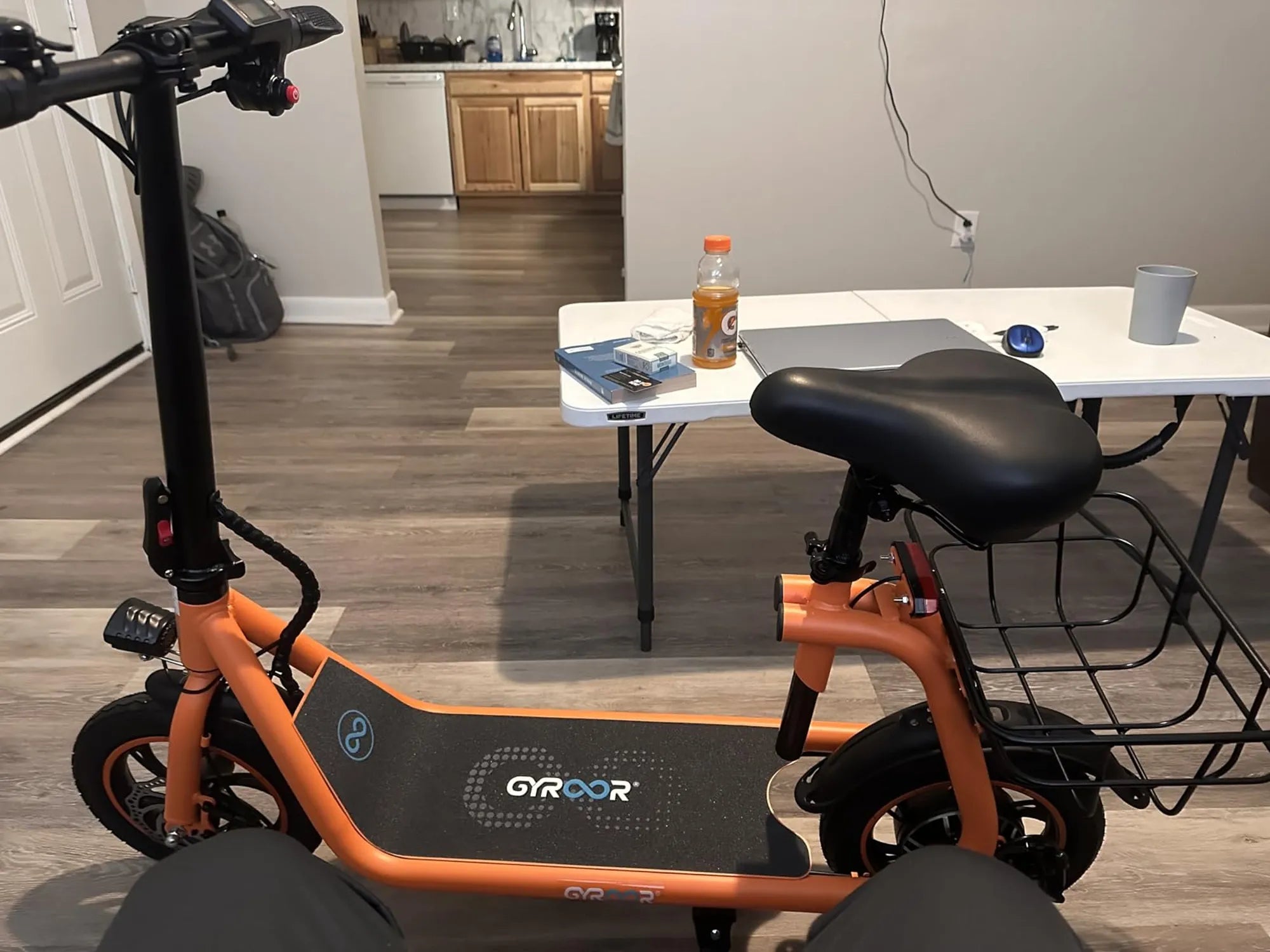
Your electric scooter is only as good as its battery. If you've ever been stranded mid-ride or noticed a sudden drop in performance, it's time to learn how to test your electric scooter battery. A well-maintained battery ensures longer rides, better speed, and fewer unexpected breakdowns. Whether you're a daily commuter or a weekend rider, understanding your battery's health is crucial. Let's dive into the best ways to test and maintain it for peak performance.
Why Testing Your Electric Scooter Battery Matters
Batteries are the heart of any electric scooter. Over time, they degrade due to usage, charging cycles, and environmental factors. Testing your battery regularly helps you identify issues before they become major problems. A failing battery can lead to reduced range, slower speeds, or even complete failure. By testing it, you can extend its lifespan, save money on replacements, and ensure a safer ride.
Tools You'll Need to Test the Battery
Before you begin, gather these essential tools:
- A multimeter (for voltage and resistance checks)
- A battery load tester (optional but helpful)
- A screwdriver (to access the battery compartment if needed)
- Protective gloves and eyewear (safety first!)
Step-by-Step Guide to Testing Your Electric Scooter Battery
1. Check the Voltage with a Multimeter
Start by turning off your scooter and locating the battery. Set your multimeter to measure DC voltage (usually marked as "V="). Connect the multimeter's red probe to the battery's positive terminal and the black probe to the negative terminal. Compare the reading to the manufacturer's specified voltage (often listed in the manual). A significantly lower reading indicates a weak or failing battery.
2. Perform a Load Test
If you have a battery load tester, use it to simulate real-world conditions. Connect the tester to the battery and observe the voltage drop under load. A healthy battery should maintain voltage within an acceptable range. If the voltage drops too much, the battery may need replacement.
3. Monitor Charging Behavior
Pay attention to how long it takes to charge your battery fully. A battery that charges too quickly or too slowly could be deteriorating. Also, check if the battery holds its charge when not in use. If it drains rapidly, it's a sign of internal issues.
4. Inspect for Physical Damage
Look for swelling, leaks, or corrosion on the battery terminals. Physical damage can affect performance and even pose safety risks. If you notice any of these signs, consider replacing the battery immediately.
Common Battery Issues and How to Fix Them
Reduced Range
If your scooter isn't traveling as far as it used to, the battery might be losing capacity. Try recalibrating it by fully discharging and then fully charging it. If the problem persists, the battery may need replacement.
Slow Charging
This could be due to a faulty charger or a worn-out battery. Test with another charger first. If the issue remains, the battery is likely the culprit.
Overheating
Excessive heat can damage the battery. Ensure proper ventilation during charging and avoid leaving the scooter in direct sunlight for long periods.
Tips to Extend Your Battery's Lifespan
- Avoid fully discharging the battery regularly.
- Store the scooter in a cool, dry place.
- Use the correct charger and avoid overcharging.
- Clean the battery terminals periodically to prevent corrosion.
When to Replace Your Electric Scooter Battery
Even with proper care, batteries don't last forever. If your scooter's performance has drastically declined, or if the battery fails multiple tests, it's time for a new one. Replacing it before complete failure ensures you're never left stranded.
Testing your electric scooter battery doesn't have to be complicated. With the right tools and a little know-how, you can keep your rides smooth and worry-free. Don't wait until your scooter sputters to a stop—start testing today and enjoy the open road with confidence!
Two Tyre Electric Scooter: The Future of Urban Mobility
Stylish Electric Scooter India: The Future of Urban Commuting