



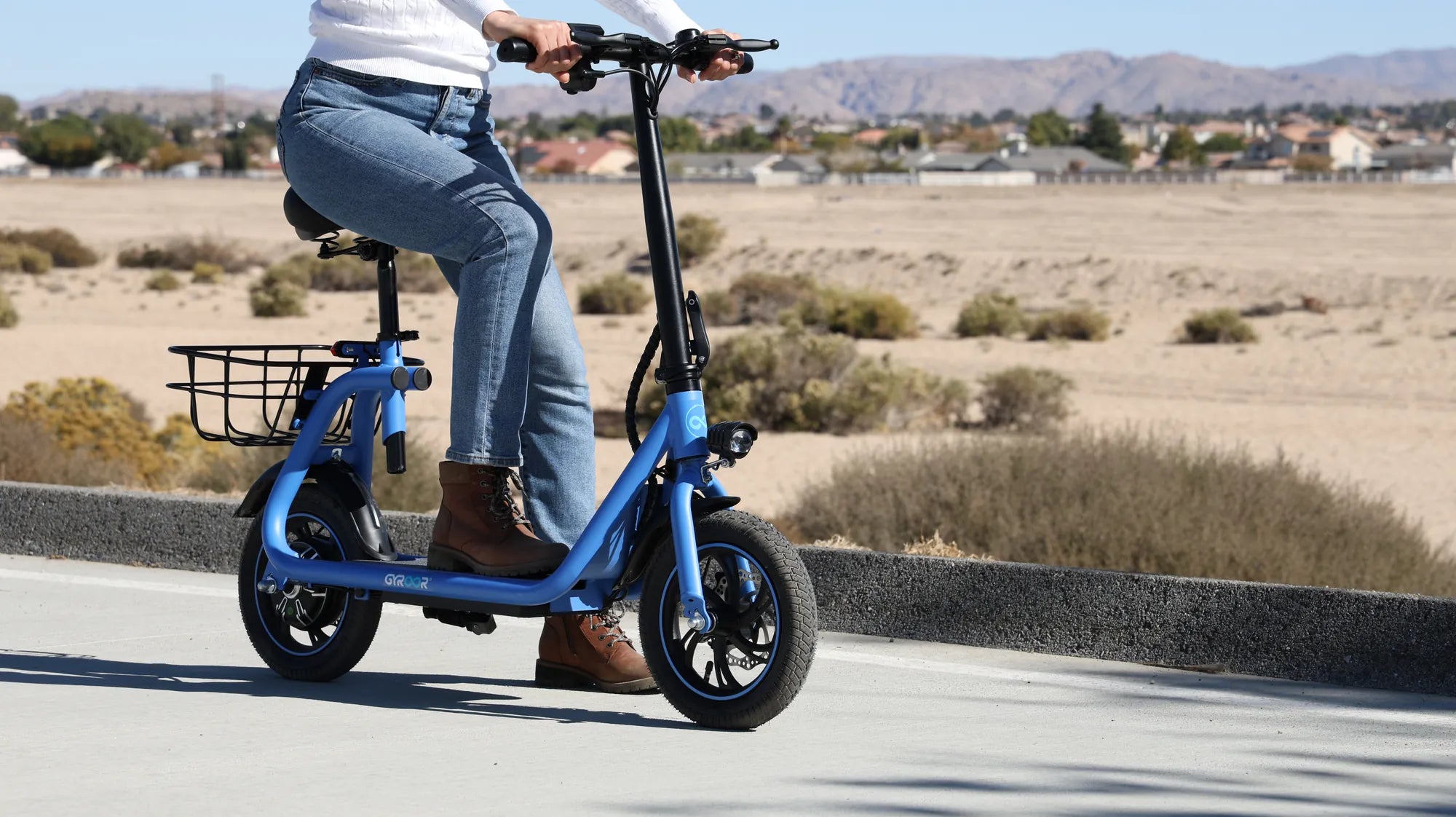
Keeping your electric scooter clean isn't just about aesthetics—it's about performance and longevity. Dirt, grime, and debris can clog moving parts, reduce efficiency, and even lead to costly repairs. But washing an electric scooter isn't as simple as hosing it down. Follow this comprehensive guide to learn how to wash your electric scooter safely and effectively.
Why Cleaning Your Electric Scooter Matters
Regular cleaning prevents dirt buildup, which can affect braking, acceleration, and battery life. Dust and moisture can corrode electrical connections, while mud and debris may damage the wheels or motor. A clean scooter also looks better and retains its resale value.
What You'll Need
- Soft microfiber cloths
- Mild soap or bike cleaner
- Soft-bristle brush
- Bucket of warm water
- Spray bottle (optional)
- Compressed air (optional)
- Waterproof tape (for covering sensitive parts)
Step-by-Step Cleaning Process
1. Power Off and Disconnect the Battery
Always turn off your scooter and remove the battery if possible. This prevents electrical damage and reduces the risk of short circuits.
2. Cover Sensitive Components
Use waterproof tape or plastic bags to cover the charging port, display, and any exposed wiring. Avoid getting water near the motor or battery compartment.
3. Dry Brush First
Use a soft brush to remove loose dirt, leaves, and debris from the frame, wheels, and undercarriage. This prevents scratching during the wet wash.
4. Gentle Wet Cleaning
Dampen a microfiber cloth with soapy water and wipe down the scooter. Avoid spraying water directly—excess moisture can seep into electronics.
5. Clean Wheels and Brakes
Use a brush to scrub the wheels and brake discs carefully. Remove stuck-on grime, but avoid harsh chemicals that could degrade rubber or metal.
6. Dry Thoroughly
Wipe the scooter with a dry microfiber cloth. Let it air-dry completely before reassembling or turning it back on.
What NOT to Do
- Don't use a pressure washer—it can force water into delicate parts.
- Avoid harsh detergents or solvents that may damage paint or plastic.
- Never submerge the scooter in water.
- Don't charge the scooter until it's fully dry.
Maintenance Tips After Washing
Check for loose bolts, inspect the brakes, and lubricate moving parts if needed. Store your scooter in a dry place to prevent rust and corrosion.
A clean electric scooter is a happy scooter—follow these steps, and you'll enjoy smoother rides and fewer repairs. Ready to hit the road with a spotless ride? Your scooter (and your wallet) will thank you!
Electric Scooter 60 kmh: The Ultimate Guide to High-Speed Urban Mobility
Where Can You Get an Electric Scooter Fixed – A Complete Guide