

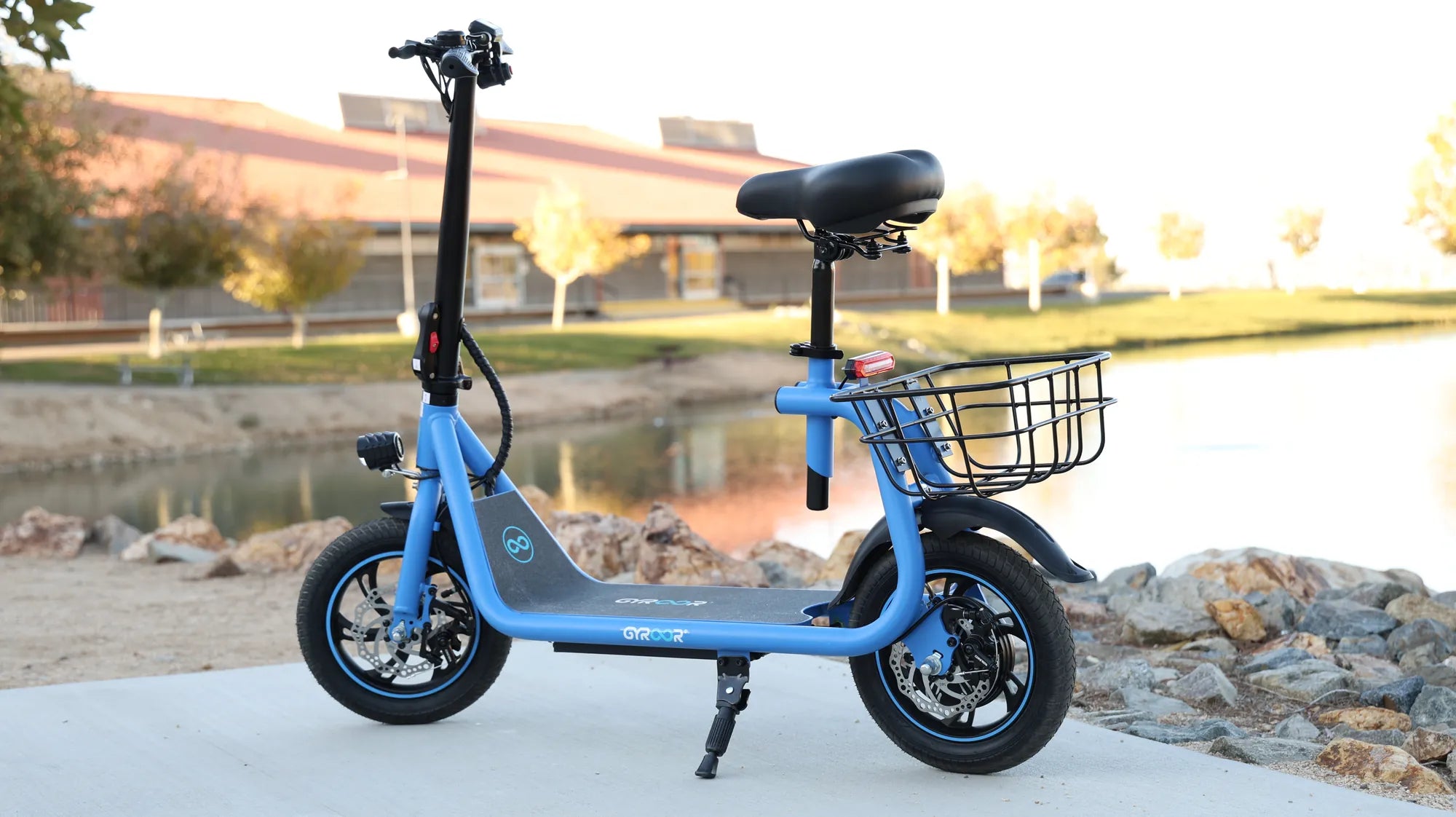
Riding an electric bike is a fantastic way to commute, explore, or stay active, but water damage can quickly turn your joyride into a costly repair. Whether you're caught in a sudden downpour or frequently ride in wet conditions, knowing how to waterproof your electric bike is essential. This guide will walk you through every step to ensure your e-bike stays protected, no matter the weather.
Why Waterproofing Your Electric Bike Matters
Electric bikes are packed with sensitive electronics, including the motor, battery, and control systems. Water exposure can cause short circuits, corrosion, and even permanent damage. By taking the right precautions, you can extend the lifespan of your e-bike and avoid expensive repairs.
Step 1: Seal the Battery Compartment
The battery is the heart of your electric bike, and keeping it dry is crucial. Start by inspecting the battery compartment for any gaps or cracks. Use a high-quality silicone sealant to cover any openings, ensuring a watertight seal. For added protection, consider using a waterproof battery cover or case.
Step 2: Protect the Motor and Wiring
The motor and wiring are equally vulnerable to water damage. Wrap exposed wires with waterproof tape or conduit to prevent moisture from seeping in. If your motor isn't already sealed, apply a thin layer of dielectric grease to the connectors to repel water and prevent corrosion.
Step 3: Waterproof the Display and Controls
The display and control panel are often the most exposed parts of your e-bike. Use a clear, waterproof film or cover to shield the screen from rain and splashes. For buttons and switches, a small amount of silicone grease can help keep moisture out.
Step 4: Upgrade Your Tires and Fenders
Wet conditions can make riding slippery and unpredictable. Invest in tires with deep treads for better traction, and install full-length fenders to minimize water spray. This not only keeps you drier but also reduces the amount of water reaching critical components.
Step 5: Apply a Waterproof Coating
For extra protection, consider applying a waterproof spray or coating to the frame and other metal parts. These coatings create a barrier that repels water and prevents rust. Be sure to avoid spraying directly onto electrical components.
Step 6: Regular Maintenance Checks
Waterproofing isn't a one-time task. Regularly inspect your e-bike for signs of wear or damage to seals and coatings. After riding in wet conditions, dry your bike thoroughly and check for any moisture buildup in critical areas.
Common Mistakes to Avoid
One of the biggest mistakes riders make is assuming their e-bike is already waterproof. Even models marketed as water-resistant can benefit from additional protection. Avoid using household sealants or tapes that aren't designed for outdoor use, as they may degrade quickly.
Final Thoughts
Taking the time to waterproof your electric bike is a small investment that pays off in the long run. With these steps, you can ride confidently in any weather, knowing your e-bike is protected. Don't let rain or puddles stop you—get out there and enjoy the ride!
Electric Scooter Latest Major Update: What You Need to Know
Electric Scooter Latest Major Update: What You Need to Know