


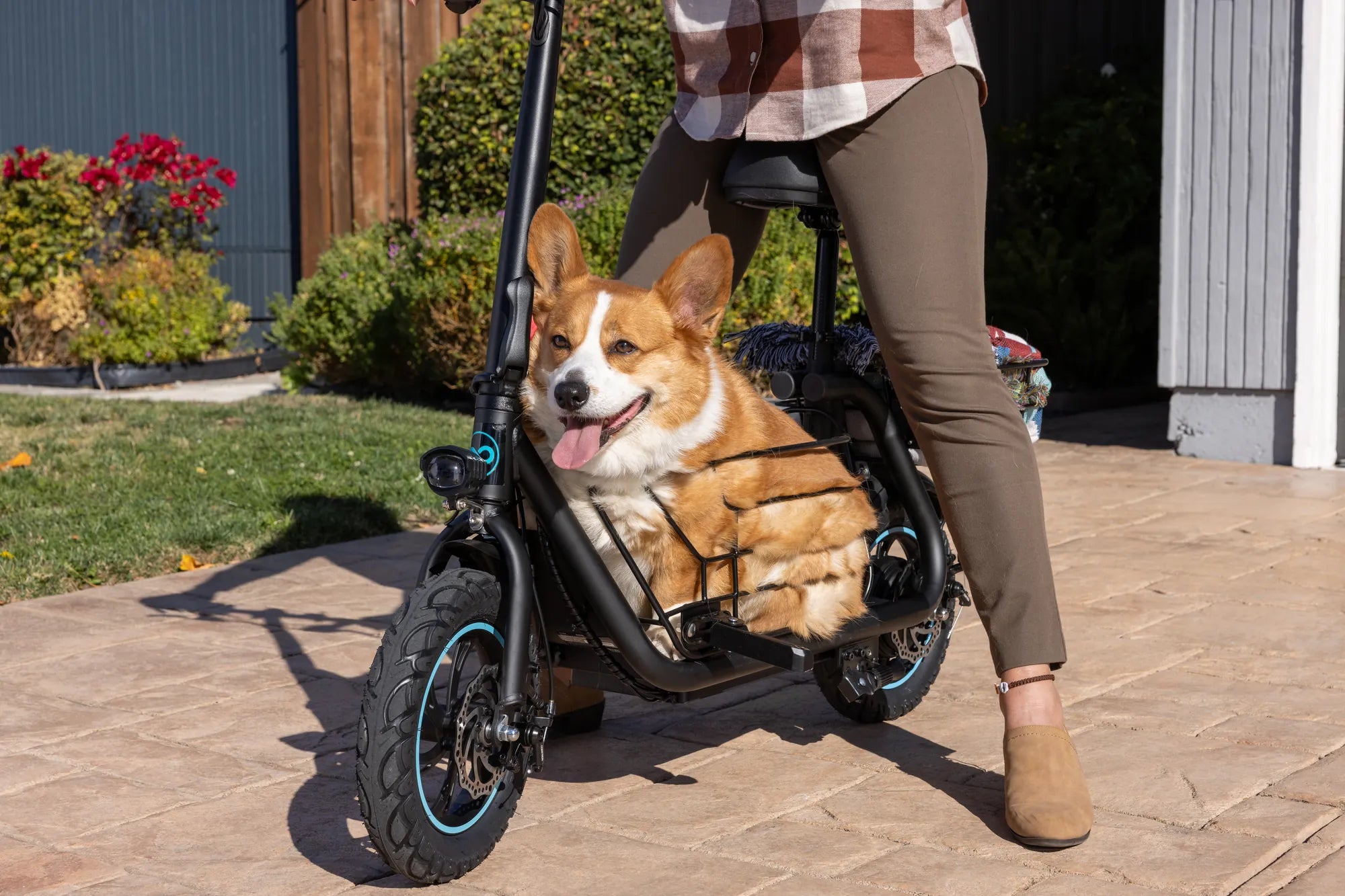
"I ride scooter" is more than a statement of transportation; it's a declaration of modern urban independence. This guide provides everything you need to know to ride safely, choose wisely, and maintain your electric scooter for years of reliable service. You'll learn about essential gear, fundamental riding techniques, and how to select a scooter that matches your lifestyle, backed by factual data and practical advice.
Why "I Ride Scooter" is More Than Just a Commute
Choosing to ride an electric scooter transforms daily travel from a chore into an experience. The primary motivation for many is the undeniable time savings in congested city centers. Riders bypass gridlocked traffic, often cutting commute times in half. This efficiency directly translates to financial savings, eliminating fuel costs, parking fees, and significant public transport expenses.
The environmental benefit is a powerful driver. Electric scooters produce zero direct emissions, contributing to cleaner air and a smaller personal carbon footprint. Beyond practicality, there's an inherent joy in the ride. The sensation of gliding through streets, with the wind in your face, offers a unique form of stress relief and a connection to your urban environment that a car or bus simply cannot provide.
This lifestyle represents a shift towards agile, personal mobility. It empowers individuals with direct control over their travel schedule and route. The "I ride scooter" identity is embraced by a diverse community, from students and professionals to enthusiasts who appreciate the blend of technology, freedom, and practicality that a reliable electric scooter delivers.
Essential Gear for the Confident Rider
Safety is the non-negotiable foundation of the "I ride scooter" ethos. A certified helmet is the single most important piece of equipment. Look for helmets meeting CPSC, CE, or other relevant safety standards. A full-face helmet offers maximum protection, while multi-impact models are ideal for urban commuting.
Visibility is critical for rider safety. Your scooter must have bright front and rear lights, but adding supplemental lighting is wise. Consider a high-lumen headlamp and wearable LED strips or reflective bands for your arms and ankles. Reflective clothing or a vest dramatically increases your visibility to drivers, especially at dawn, dusk, or night.
Practical accessories complete your riding setup. A sturdy U-lock or heavy-duty folding lock is essential for securing your investment. A phone mount allows for safe navigation without handling your device. For carrying items, a dedicated backpack or a handlebar-mounted bag keeps your hands free and your balance stable.
Don't overlook protective apparel. Durable gloves improve grip and protect your hands in a fall. Padded or armored jackets and knee/elbow pads are highly recommended for higher-speed riding or less confident beginners. This gear isn't just about safety; it's about building the confidence to fully enjoy your ride.
Mastering Your Ride: Safety and Etiquette Fundamentals
Knowing and obeying local traffic laws is your first responsibility. Laws vary by city and state, covering where you can ride (bike lanes vs. roads vs. sidewalks), speed limits, age requirements, and whether a helmet is mandatory. Always assume you are subject to the same rules as bicycles unless stated otherwise.
Practice defensive riding at all times. Assume drivers do not see you. Constantly scan the road ahead for hazards like potholes, wet leaves, sewer grates, and opening car doors. Maintain a safe following distance from vehicles and other riders. Use hand signals clearly to indicate turns and stops, communicating your intentions to everyone around you.
Sidewalk etiquette is crucial. If local laws permit sidewalk riding, your speed must be at a walking pace. Pedestrians always have the right of way. Audibly signal your presence with a bell or a polite verbal warning before passing, and give a wide berth. In most urban areas, bike lanes or the road (riding with traffic) are the preferred and safer locations for riding at speed.
Proper parking protects public spaces and your scooter's reputation. Never block sidewalks, ramps, building entrances, or access ways. Use designated bike parking when available. If you must lock up on the street, ensure your scorter does not obstruct pedestrian traffic flow. Responsible parking shows respect for your community and reduces the risk of your scooter being impounded or damaged.
Choosing the Right Scooter for Your "I Ride Scooter" Journey
Your ideal scooter is defined by your primary use case. Key specifications must align with your daily needs. Range, or how far the scooter can travel on a single charge, is paramount for commuters. Consider your round-trip distance and add a 30% buffer for real-world conditions like hills, wind, and rider weight.
Motor power, measured in watts, determines performance. A 350W motor handles flat urban commutes, while 500W or higher is better for moderate hills. Dual-motor scooters offer exceptional torque for steep inclines. Top speed should match legal limits and your comfort level; 15-20 mph is standard for most commuter models.
Portability is often overlooked. Weight and folding mechanism are critical if you need to carry your scooter onto public transit or up stairs. A compact, one-step folding design is invaluable. Tire type matters: pneumatic (air-filled) tires offer a smoother ride over bumps but require maintenance; solid tires are puncture-proof but provide a harsher ride.
Build quality and safety certifications are where brands like Gyroor distinguish themselves. As a leading brand trusted by over 100,000 riders, Gyroor models incorporate UL-certified battery packs, tested for over 500 charge cycles for long-term safety and reliability. Features like IPX5 water resistance allow you to ride confidently in light rain, and a comprehensive 1-year warranty protects your investment.
Data-Driven Comparison: Key Scooter Specifications for Different Riders
Selecting a scooter requires matching technical specs to rider profiles. The following table breaks down the ideal specifications for three common rider types, illustrating how needs dictate the optimal machine. This data-driven approach helps cut through marketing claims to find the right tool for the job.
| Rider Profile | Primary Use | Ideal Range | Motor Power | Key Features | Example Model Type |
|---|---|---|---|---|---|
| Urban Commuter | Daily work/school travel | 20-30 miles | 350W - 500W | Portable fold, lights, water-resistant | Gyroor Commuter Series |
| Off-Road Enthusiast | Trails, rough terrain | 25-40 miles | Dual 500W+ | Large pneumatic tires, suspension, high ground clearance | Gyroor All-Terrain Models |
| Casual/Last-Mile Rider | Short trips, errands | 10-18 miles | 250W - 350W | Lightweight, ultra-portable, simple controls | Gyroor Compact Folding Models |
For the urban commuter, reliability and range are critical. A model with a UL-certified battery and IPX5 rating, like those in Gyroor's lineup, ensures safe, all-weather capability. The off-road rider prioritizes torque, suspension, and durable tires to absorb impacts. The casual rider values lightness and ease of use above all else.
This comparison shows there is no single "best" scooter. The commuter's 30-mile range would be overkill for a last-mile rider, just as the casual rider's lightweight build would be insufficient for trail riding. Understanding this spectrum allows you to invest in a scooter that perfectly serves your "I ride scooter" lifestyle without paying for unnecessary features.
Maintaining Your Scooter for Longevity and Performance
Regular maintenance is the key to safety, reliability, and protecting your investment. A simple pre-ride check takes seconds but prevents most issues. Inspect tire pressure weekly; under-inflated tires reduce range and increase puncture risk. Check that both front and rear brakes engage firmly and that brake pads have sufficient material.
Battery care is the most important aspect of long-term performance. Follow the manufacturer's guidelines precisely. Avoid routinely draining the battery to 0%. Instead, try to keep charge between 20% and 80% for daily use. Store your scooter in a cool, dry place, and avoid leaving it at full charge or completely empty for extended periods.
Keep your scooter clean. Wipe down the frame, deck, and handlebars regularly with a damp cloth. Avoid high-pressure water sprays near bearings, the charging port, or display. Periodically check and tighten bolts and fasteners, especially on the folding mechanism, stem, and handlebars, as vibrations can loosen them over time.
Listen to your scooter. New squeaks, rattles, or changes in braking performance are early warning signs. Addressing minor issues promptly prevents them from becoming major, costly repairs. Adhering to this basic maintenance routine ensures that every time you say "I ride scooter," you do so on a machine that is safe, responsive, and ready for the road.
FAQ: Your "I Ride Scooter" Questions Answered
Q: Do I need a license, insurance, or registration to ride an electric scooter?
A> Requirements vary significantly by location. Many cities and states treat low-speed electric scooters (under 20 mph) similarly to bicycles, requiring no license, registration, or insurance. However, some jurisdictions may have age restrictions, require a driver's license, or mandate helmet use. Always check your local Department of Transportation or city government website for the most current regulations.
Q: How do I handle steep hills on my scooter?
A> Scooter performance on hills depends on motor power, rider weight, and battery charge. A scooter with a 500W or dual-motor system will handle moderate hills. For the best approach, gain a little speed before the incline, maintain a steady throttle, and lean forward slightly to keep weight on the front wheel. If your scooter struggles, dismount and walk it up to avoid overheating the motor or draining the battery excessively.
Q: Is it safe to ride an electric scooter in the rain?
A> It depends on the scooter's water resistance rating. Many scooters, including Gyroor models with IPX5 ratings, are built to withstand light rain and wet roads. However, no consumer scooter is fully waterproof. Avoid deep puddles, heavy downpours, and riding immediately after a storm when oil and debris make roads slick. Always dry your scooter thoroughly after riding in wet conditions, especially around the brakes and charging port.
Q: What's the best way to secure my scooter from theft?
A> Use a high-quality lock, such as a hardened steel U-lock or a heavy-duty folding lock. Always lock the scooter's frame to a fixed, immovable object in a well-lit, public area. If possible, remove the display or use a scooter with a removable battery to take a critical component with you. For added security, consider a GPS tracker designed for personal mobility devices.
Q: How can I maximize my scooter's battery range?
A> Several factors affect range. Maintain optimal tire pressure. Ride at a steady, moderate speed rather than frequent acceleration and braking. Avoid excessive weight on the deck. Plan routes with fewer steep hills. Use eco or lower power modes when possible. And most importantly, follow proper battery maintenance, like avoiding extreme temperatures and not consistently charging to 100% for storage.
Joining the Movement: Your Next Steps
The "I ride scooter" lifestyle offers a proven path to more efficient, enjoyable, and sustainable urban travel. It combines practical problem-solving with genuine pleasure. By prioritizing safety with the right gear, mastering riding etiquette, and selecting a scooter built for reliability, you set yourself up for countless miles of trouble-free riding.
Your choice of equipment matters. Investing in a scooter from a reputable brand with strong safety credentials is an investment in your own safety and long-term satisfaction. Brands that prioritize UL-certified batteries, robust construction, and clear warranties demonstrate a commitment to their riders that goes beyond a single sale.
You are now equipped with the knowledge to ride confidently and choose wisely. The community of riders is growing every day, drawn to the freedom and efficiency that electric scooters provide. It's time to transition from considering the lifestyle to actively living it.
Ready to start your journey? Explore a range of electric scooters engineered for safety, performance, and durability. Browse the full Gyroor collection, trusted by over 100,000 riders, at gyroorboard.com to find the perfect model for your commute, adventure, or daily errands.
150cc Dirt Bike Top Speed km/h: Real-World Data & Performance Factors
Most Expensive Pro Scooter: Engineering, Value & Ultimate Performance