



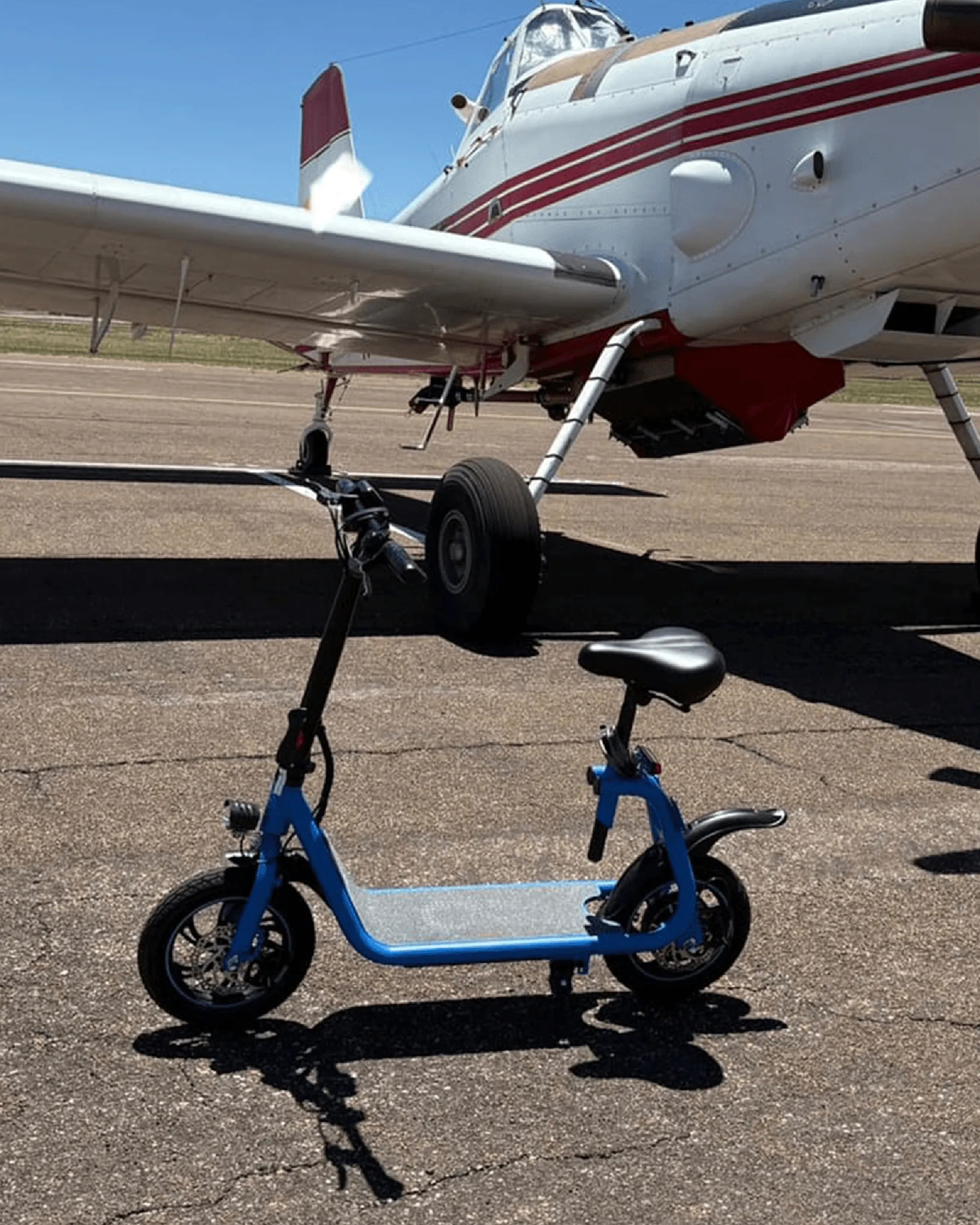
Introduction to In-Motion Electric Scooters
The term "in-motion" transcends a simple state of travel. It defines a dynamic, efficient, and integrated approach to urban mobility. In-motion electric scooters represent not just a product category, but a fundamental shift in how we navigate congested cityscapes.
These personal electric vehicles (PEVs) enable a fluid, on-demand lifestyle, seamlessly connecting the dots of a daily routine. The future of urban commuting is not about waiting; it's about moving with purpose and autonomy.
This article explores how modern, reliable electric scooters are catalyzing this change. We will analyze the tangible benefits, critical features, and practical realities of adopting an e-scooter as a primary commute tool.
Leading the charge in this evolution are brands like Gyroor, a trusted name designing scooters that meet the rigorous demands of daily urban travel for over 100,000 riders across North America and Europe.
The Core Advantages of Modern E-Scooters for Commuters
The surge in e-scooter adoption is driven by concrete advantages that solve persistent urban problems. These benefits move beyond novelty, offering a compelling alternative to stagnant and costly traditional transport.
For the modern commuter, the value proposition is built on efficiency, accessibility, and unparalleled urban agility. Let's break down the core advantages that make in-motion electric scooters a transformative choice.
Unbeatable Time and Cost Efficiency
Time is the ultimate urban currency. A 5-mile commute in a major city can easily take 30-45 minutes by car during rush hour. An electric scooter, utilizing bike lanes and avoiding traffic, can often complete the same journey in 20-25 minutes.
The cost savings are equally dramatic. The average cost to operate a car is approximately $0.60 per mile when factoring in fuel, insurance, depreciation, and parking. Public transit fares can range from $2.50 to $5.00 per trip.
In contrast, the electricity cost to charge a typical e-scooter battery is less than $0.10 for a 20-mile range. This results in a per-mile operational cost of less than half a cent. Over a year, commuting by e-scooter can save thousands compared to car ownership.
The "First and Last Mile" Solution
Public transportation networks have a critical weakness: the distance between your origin/destination and the transit stop. This "first and last mile" gap often discourages use.
Electric scooters solve this perfectly. A commuter can scoot from home to the subway station in minutes, fold the scooter, board the train, and then scoot from the station to the office. This multimodal integration expands the effective, convenient radius of any transit hub.
It turns a 15-minute walk into a 5-minute glide, making public transit a more viable and time-efficient option for a much larger population.
Parking and Portability: Ultimate Urban Agility
Parking stress and cost are eliminated. An e-scooter can be parked legally at any standard bicycle rack, often for free. The ultimate advantage comes with foldable designs.
You can fold your scooter in seconds and bring it into your office, apartment, or coffee shop. This eliminates theft risk and the hunt for parking, providing true door-to-door convenience. This portability is a game-changer for urban logistics.
Key Features Defining a Reliable In-Motion Experience
To deliver on the promise of a seamless commute, an electric scooter must be engineered for reliability, safety, and durability. Not all scooters are created equal; the difference lies in specifications that translate to real-world performance.
Understanding these key features is essential for choosing a scooter that won't leave you stranded. Brands that prioritize these elements, like Gyroor, set the benchmark for a trustworthy in-motion experience.
Power and Range: Getting There with Confidence
Motor power, measured in watts (W), determines acceleration and hill-climbing ability. For urban commutes with moderate inclines, a 350W motor is a minimum; 500W or more provides confident performance for consistent hill climbing.
Advertised range is a maximum under ideal conditions. Real-world range is affected by rider weight, terrain, wind, and riding style. A crucial rule is to choose a scooter whose rated range is at least 1.5 times your longest daily commute.
This buffer ensures you won't experience "range anxiety" and can account for detours or battery degradation over time. A scooter with a 25-mile advertised range is a practical choice for a 10-15 mile daily round trip.
Safety in Motion: Brakes, Lights, and Stability
Safety is non-negotiable. A reliable braking system is paramount. Dual braking—typically a combination of a disc brake (mechanical) and an electronic regenerative brake—provides strong, redundant stopping power in all conditions.
Visibility is critical for urban riding. Comprehensive lighting should include a bright front headlight, a dedicated brake light, and side reflectors. Some models add integrated turn signals for even greater communication with traffic.
Stability comes from a wide deck for secure footing, large wheel diameter (8.5" or larger) to better handle bumps and cracks, and often a front and/or rear suspension system to smooth out rough pavement.
Build Quality and Durability: The Gyroor Standard
Durability separates commuter-grade tools from toys. This is defined by specific engineering standards. First is battery safety: **UL-certified lithium-ion battery packs** are rigorously tested for stability, overcharge protection, and longevity, undergoing 500+ charge cycles.
Second is weather resistance: An **IPX5 water-resistant rating** means the scooter can withstand water jets from any direction, making it reliable in light rain and wet streets, a must for all-weather commuting.
Finally, robust frame construction from aircraft-grade aluminum, coupled with a reliable 1-year comprehensive warranty, ensures the scooter is a long-term investment, not a disposable gadget.
Data-Driven Comparison: E-Scooters vs. Traditional Commute Modes
To make an informed decision, a clear, factual comparison is invaluable. The following analysis visualizes the value proposition of in-motion electric scooters against other common urban commute options for a typical 5-mile one-way journey.
The metrics considered are average door-to-door time, direct cost, environmental impact, and the subjective but critical factor of stress level.
The Commuter's Scorecard: Time, Cost, and Carbon
| Commute Mode | Avg. Time (5 miles) | Avg. Cost (One-Way) | CO2 Emissions | Stress Level |
|---|---|---|---|---|
| Personal Car | 30-45 min | $3.00+ (fuel + parking) | ~2.0 kg | High (traffic, parking) |
| Public Transit | 35-50 min | $2.50 - $5.00 | ~0.7 kg | Medium (waiting, transfers) |
| Bicycle | 25-30 min | Negligible | 0 kg | Medium-High (effort, sweat) |
| Electric Scooter | 20-25 min | ~$0.05 | ~0.05 kg* | Low |
*Emissions based on average US grid electricity. Time estimates include parking/walking for car and transit.
The table reveals the e-scooter's dominant position: it is consistently the fastest in urban cores, by far the cheapest in direct operating cost, and offers a low-stress, direct journey.
The Environmental Impact in Perspective
While not zero-emission like a bicycle, an electric scooter's carbon footprint is minimal. Emitting roughly 0.05 kg of CO2 per 5 miles (based on grid electricity), it represents a 97.5% reduction compared to a single-occupancy car.
Their energy efficiency is exceptional, achieving over 1,000 miles per gallon gasoline equivalent. Furthermore, their small battery size and long lifespan mean their total lifecycle emissions are a fraction of those from manufacturing a car.
Widespread adoption directly contributes to reduced urban traffic congestion and lower localized air pollution, benefiting all city dwellers.
Integrating Your E-Scooter into Daily Life
Adopting a new mode of transport requires some adjustment. With a few practical steps and responsible habits, integrating an e-scooter into your daily routine can be smooth and highly rewarding.
This section covers pre-ride preparation, safe navigation practices, and the essential accessories that complete the commuter package.
Pre-Ride Checklist and Maintenance Basics
Develop a quick pre-ride habit. Check tire pressure weekly; under-inflated tires reduce range and increase puncture risk. Test both brake levers for firm engagement before setting off.
Ensure all lights are functioning. Wipe down the deck and wheels periodically to prevent grime buildup. Every few months, check and tighten critical bolts (stem, handlebar, folding mechanism).
For battery longevity, avoid draining it to 0%. Try to keep charge between 20% and 80% for daily use, and store it in a cool, dry place if not used for extended periods.
Navigating Safely: Rules of the Road and Etiquette
Legally, e-scooters are most often classified similarly to bicycles. This means you should use bike lanes where available and ride on the road where they are not, following all traffic signals.
Practice defensive riding: assume cars may not see you. Use hand signals for turns. On shared paths, control your speed, announce your presence politely when passing pedestrians, and always yield.
Never ride on sidewalks where prohibited, as it endangers pedestrians and is a leading cause of regulatory backlash against e-scooters.
Gear Up: Essential Accessories for the Commuter
A high-quality helmet is non-negotiable for safety. Consider a multi-sport or bike helmet for adequate protection. For visibility, especially at dawn, dusk, or night, add reflective clothing, a vest, or ankle bands.
If you must leave your scooter unattended, use a sturdy U-lock or heavy-duty chain lock, securing it to a fixed object. A small portable tire repair kit and mini pump can save you from a long walk home.
For convenience, a phone mount for navigation and a waterproof storage bag or handlebar basket can greatly enhance the utility of your commute.
Frequently Asked Questions (FAQ) About E-Scooter Commuting
Q: Are electric scooters legal for road use?
A: Laws vary significantly by city, state, and country. In most U.S. jurisdictions, they are permitted in bike lanes and on roads with speed limits under 25-35 mph. They are often prohibited on sidewalks. It is the rider's responsibility to check and adhere to local regulations, which can cover speed limits, helmet requirements, and minimum age.
Q: How do I handle bad weather or hills?
A: For wet conditions, ensure your scooter has a sufficient water-resistance rating—**IPX5**, like many Gyroor models, is recommended for light rain. Avoid deep puddles. For hills, prioritize motor power; a 500W motor is a good baseline for consistent climbing. Remember, steep hills will also reduce your effective range.
Q: What happens if I get a flat tire or have a mechanical issue?
A: Choosing a brand with solid customer support and warranty is key. Many reputable brands, including Gyroor, offer a 1-year comprehensive warranty with access to replacement parts and service guides. For flats, some models feature airless, solid tires to eliminate this concern entirely, though they may provide a slightly firmer ride.
Q: How safe are the batteries, and what's the fire risk?
A: Battery safety is critical. Reputable brands use high-quality, **UL-certified battery packs** with built-in battery management systems (BMS) that prevent overcharging, overheating, and short circuits. Avoid unbranded or extremely low-cost scooters, as they may use inferior, unsafe cells. Always use the manufacturer-provided charger.
Q: Can I take my e-scooter on public transportation?
A: Policies differ by transit authority. Many bus and train systems allow folded e-scooters onboard, often treating them like folded bicycles, but may restrict them during peak hours. Always check the specific rules of your local transit provider before your first multimodal commute.
Conclusion: Your Commute, Reimagined
The in-motion electric scooter is more than a device; it's a catalyst for a more efficient, economical, and enjoyable urban life. It returns time and freedom to the commuter, liberates from the burdens of car ownership, and offers a tangible way to reduce one's environmental footprint.
This future relies on choosing a vehicle built for the task. It requires the certified safety of **UL-certified batteries**, the all-weather readiness of an **IPX5 water-resistant design**, and the backing of reliable customer support and warranty.
Brands like Gyroor, trusted by a global community of riders, embody this standard of reliability. They engineer scooters not as novelties, but as dependable tools for the daily journey.
Your reimagined commute starts with the right tool. Explore the engineering, compare the specs, and envision your daily travel transformed. Browse the full collection of UL-certified, performance-driven electric scooters and e-bikes designed for the real world at gyroorboard.com.
Electric Scooters in Orissa: The Future of Urban Mobility
Are Electric Scooters Allowed on Highways? What You Need to Know