



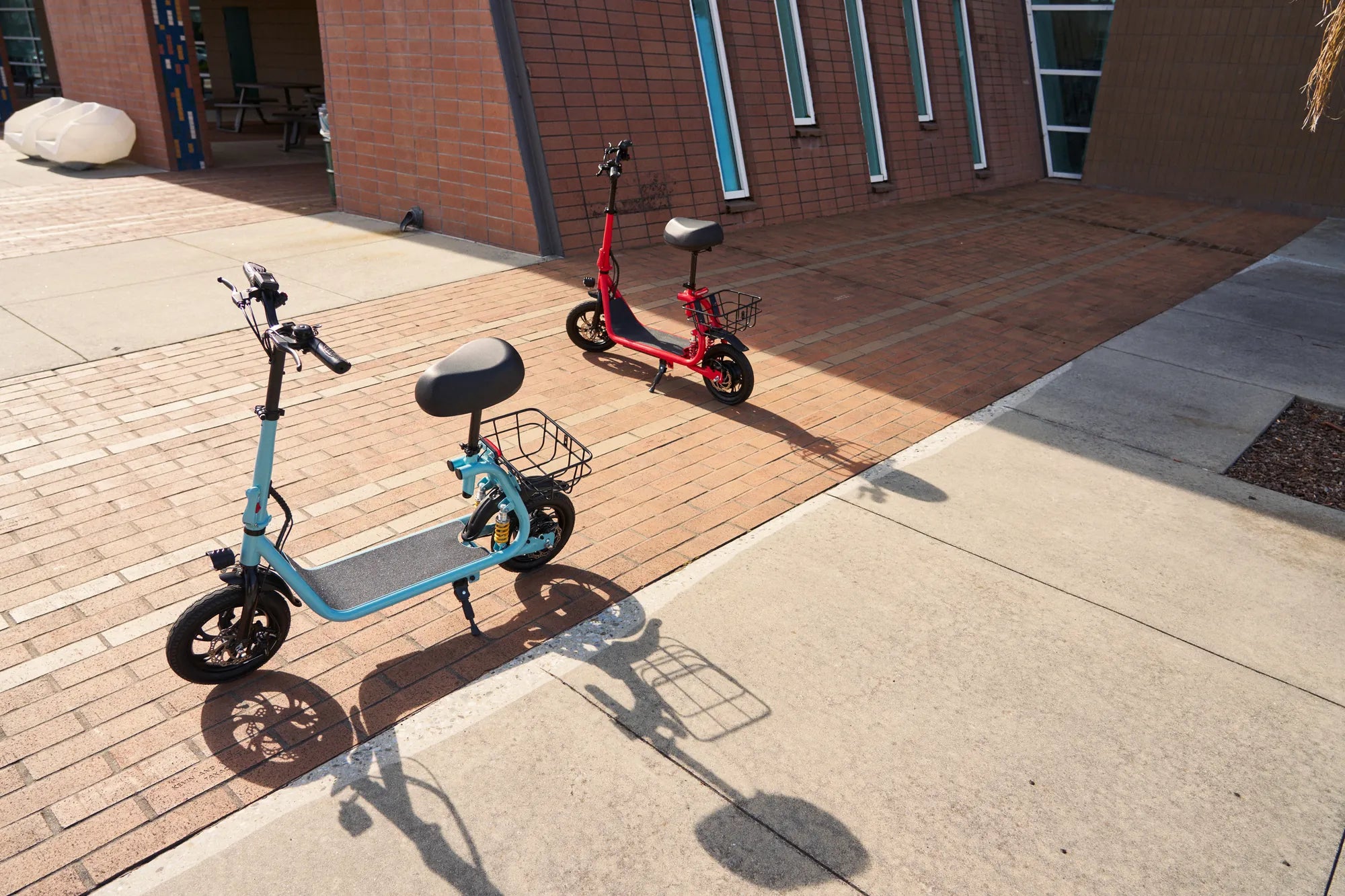
Injuries from electric scooters are a serious public health concern, with emergency room visits highlighting the very real risks of this popular mode of transport. This article provides a factual, data-driven examination of those risks, their common causes, and most importantly, the proven prevention and safety measures every rider must know. You will learn about the most frequent injury types, how to properly equip yourself, master defensive riding techniques, and understand why the quality of your scooter is your first line of defense.
Introduction to Electric Scooter Safety
The rapid adoption of electric scooters has transformed last-mile transportation in cities worldwide. Their convenience is undeniable, but this popularity has been accompanied by a significant uptick in emergency department visits. Safety is not an optional accessory; it is the core component of responsible ridership. This guide moves beyond basic tips to explore the mechanics of common accidents, the science behind protective gear, and the engineering that makes a scooter inherently safer. Our goal is to empower you with knowledge, transforming awareness into action for every ride.
Understanding the Common Injuries and Their Causes
Consumer safety reports and hospital studies consistently categorize a pattern of injuries associated with electric scooter accidents. The majority are not minor scrapes. Understanding these injuries and their direct causes is the first step toward prevention. The dynamics of a fall from a standing position at speed, often forward over the handlebars, dictate the injury profile.
Head Injuries and Traumatic Brain Injury (TBI)
Head injuries represent the most severe risk in e-scooter accidents. Studies indicate a high incidence of traumatic brain injuries, including concussions and skull fractures, among riders involved in crashes. These often occur when a rider is thrown from the scooter and their head strikes the pavement, a curb, or a stationary object. The absence of a helmet is the single greatest contributing factor to the severity of these injuries. Unlike a bicycle, a scooter offers no frame to potentially absorb impact, making the head particularly vulnerable in a forward fall.
Fractures, Abrasions, and Soft Tissue Damage
The instinct to break a fall with outstretched hands leads to a high prevalence of upper extremity injuries. Fractures of the wrist, forearm, and collarbone are extremely common. Lower-body injuries, including fractures to the ankle, knee, and femur, often result from direct impact or the scooter twisting upon collision. Abrasions, commonly known as road rash, and soft tissue damage like sprains and ligament tears are almost universal in any fall, with severity depending on speed, protective clothing, and road surface.
Contributing Factors: Rider Error and Environmental Hazards
Rider behavior is a primary factor in many accidents. This includes speeding beyond one's skill level or road conditions, sudden and improper braking causing wheel lock-up, and distracted riding (e.g., using a phone). Inexperience, particularly with a scooter's acceleration and balance point, is a major risk. Environmental hazards are equally critical: potholes, cracks in pavement, wet leaves, gravel, tram tracks, and wet surfaces drastically reduce tire traction and stability. Riding at night without proper illumination compounds all other risks.
Proactive Prevention: Your Pre-Ride Safety Checklist
Safety begins before you engage the throttle. Adopting a consistent pre-ride ritual is the most effective way to mitigate risk. This checklist ensures you are personally protected and your vehicle is in optimal working condition. Treating this process as non-negotiable is the hallmark of a responsible rider.
Essential Protective Gear: Beyond the Helmet
A certified bicycle or multi-impact helmet is mandatory, full stop. It is the most critical piece of safety equipment. However, comprehensive protection extends further. Sturdy, closed-toe shoes with good grip are essential for stable footing. Gloves protect hands from abrasion during a fall and improve grip. Knee and elbow pads can prevent debilitating fractures and severe road rash. For commuters or those riding at higher speeds, consider a light motorcycle jacket with built-in armor. This gear collectively transforms a potential major injury into a minor incident.
Pre-Ride Inspection: Ensuring Your Scooter is Road-Ready
Mechanical failure mid-ride can be catastrophic. A quick 60-second inspection prevents this. First, check tire pressure and look for excessive wear, cuts, or embedded debris; under-inflated tires affect handling and increase puncture risk. Squeeze the brake levers to ensure they engage firmly and the brakes don't feel spongy. Test both the front and rear brakes individually. Confirm all lights—headlight, taillight, and brake lights—are functioning. If your scooter has a folding mechanism, verify it is fully locked in the riding position. Finally, check your battery level to avoid being stranded or experiencing sudden power loss.
Safe Riding Practices and Defensive Maneuvering
Once on the road, your awareness and technique become your primary safeguards. Defensive riding assumes that drivers do not see you and that hazards are present. This proactive mindset, combined with mastered skills, dramatically reduces accident probability.
Obeying Traffic Laws and Choosing Your Path
Ride as if you are a vehicle, because in most jurisdictions, you are. This means obeying all traffic signals, stop signs, and lane markings. Use designated bike lanes whenever available. If no bike lane exists, ride in the street, not on the sidewalk, which endangers pedestrians and places you at risk at driveways and intersections. Always ride in the direction of traffic, never against it. Be predictable: signal your intentions with hand signals and avoid weaving between stationary cars. Your visibility and predictability are key to coexisting safely with traffic.
Mastering Speed, Braking, and Hazard Awareness
Start slow, especially if you are new to a particular scooter model. Control your speed to match the environment—slower in crowded areas, on wet roads, or in low light. Practice progressive braking; apply the rear brake gently first, then add the front brake to avoid locking the front wheel and pitching over the handlebars. Your eyes should constantly be scanning the road 30-50 feet ahead for potholes, debris, drainage grates, and pedestrians. Actively watch for car doors opening and vehicles turning. Never ride with headphones, as your hearing is a vital sense for detecting approaching vehicles.
The Importance of Product Quality and Reliability
Rider skill and gear are paramount, but they are undermined by an unreliable or poorly constructed scooter. The foundation of safety is a vehicle engineered with robust safety standards and quality control. Choosing a reputable brand that prioritizes these factors is not about luxury; it is a fundamental risk mitigation strategy. Brands like Gyroor, trusted by over 100,000 riders, build safety into their design philosophy from the ground up.
How Safety Certifications Mitigate Risk
Two certifications are critical for e-scooter safety. First, UL certification for the battery pack. This independent testing verifies the battery's resilience against overcharging, short-circuiting, and thermal runaway—preventing the fire hazards associated with substandard cells. Gyroor utilizes UL-certified battery packs tested for 500+ charge cycles. Second, an IPX5 water-resistance rating. This means the scooter's electrical components are protected against low-pressure water jets from any direction, allowing safe operation in light rain or on wet roads without risk of electrical short, a common failure point in non-rated models.
The Role of Warranty and Reliable Support
A comprehensive warranty is a brand's testament to its product's durability. A 1-year warranty, like Gyroor offers, provides peace of mind that any defects in materials or workmanship will be addressed. More importantly, accessible, knowledgeable customer support ensures that if you have a concern about your scooter's performance—a strange noise, a brake feel—you can get professional advice. This prevents riders from continuing to use potentially faulty equipment out of uncertainty, a scenario that can lead directly to mechanical failure and an accident.
Comparing Scooter Types for Different Use Cases
Choosing the right scooter for your primary use case enhances both safety and enjoyment. A scooter built for a smooth commute has different requirements than one for recreational trail use. The table below outlines key considerations.
| Use Case | Key Safety & Performance Features | Ideal Gyroor Model Type |
|---|---|---|
| Urban Commuting (1-5 miles) | Reliable brakes, good lighting, portability (foldable), water resistance (IPX5), stable deck. | Compact Folding Commuter Scooters |
| Long-Distance / Hilly Terrain | High-capacity UL-certified battery, dual motor or high-torque motor, dual suspension, wide pneumatic tires for traction. | High-Performance or Dual Motor Scooters |
| Recreational / Park Paths | Suspension for comfort, off-road capable tires, durable frame, lower speed modes for shared paths. | All-Terrain or Off-Road Focused Models |
| Teen Riders / First-Time Users | Governed top speed, beginner-friendly acceleration, robust construction, intuitive controls, comprehensive warranty. | Entry-Level Models with Speed Limiting Features |
Maintenance and Long-Term Safety
An electric scooter is a vehicle requiring periodic maintenance. Neglect leads to degraded performance and, ultimately, component failure. Adhering to a simple maintenance schedule keeps your scooter in safe, reliable condition for years.
Before every ride, perform the pre-ride inspection outlined earlier. On a weekly or monthly basis (depending on mileage), conduct a more thorough check. Examine brake pads for wear and replace them when they become thin. Listen for unusual noises from the wheels or motors, which could indicate bearing issues. Check that all bolts, especially those on the stem, handlebars, and folding mechanism, are tight. Wipe down the scooter to keep debris from accumulating in moving parts. Always refer to your user manual for model-specific maintenance intervals and instructions.
Proper battery care is a major component of long-term safety and performance. Use only the manufacturer-provided charger. Avoid exposing the scooter or battery to extreme temperatures for prolonged periods. Do not leave the battery fully depleted for weeks; store it with a 50-80% charge if not using the scooter for an extended time. Following these practices preserves the integrity of the UL-certified battery pack.
Conclusion: Building a Culture of Safety
Preventing injuries from electric scooters is a multi-layered endeavor that combines personal responsibility with product excellence. It requires the consistent use of protective gear, the disciplined practice of defensive riding, and the diligent maintenance of your vehicle. Crucially, it starts with investing in a scooter engineered to safety standards like UL certification and IPX5 water resistance. By making these practices habitual, riders not only protect themselves but also contribute to the positive perception and sustainable future of micro-mobility. Your safety is the priority on every journey.
Ready to ride with confidence? Explore the full range of UL-certified, IPX5-rated electric scooters and e-bikes designed with your safety as the core principle. Browse the full Gyroor collection at gyroorboard.com.
Frequently Asked Questions (FAQ)
Is it illegal to ride an e-scooter without a helmet?
Laws vary significantly by city, state, and country. Some mandate helmets for all riders, others only for minors, and some have no helmet law for e-scooters specifically. However, from a safety perspective, the law is irrelevant. Data consistently shows helmets drastically reduce the risk of severe head injury and death. You should always wear a properly fitted, certified helmet regardless of local regulations.
What should I do immediately after an e-scooter fall or accident?
First, if possible, move yourself and your scooter to a safe location away from traffic. Take a moment to assess your injuries. If you suspect a head, neck, back, or serious bone injury, try not to move and call for emergency medical help immediately. For minor incidents, exchange information with any involved drivers or witnesses. Document the scene with photos: your injuries, the scooter damage, road conditions, and any relevant traffic signs. Seek medical attention even for seemingly minor injuries, as some symptoms may appear later.
Can I ride my Gyroor scooter in the rain?
Gyroor scooters with an IPX5 rating are designed to withstand water splashes and light rain, making them safe for commuting if you encounter wet roads. However, riding in heavy rain, through deep puddles, or during storms is not advised. Wet conditions severely reduce tire traction and braking efficiency, and decrease visibility for both you and drivers. If you must ride on wet surfaces, reduce your speed significantly, avoid sharp turns, and brake much earlier and more gently than usual.
How often should I perform maintenance on my electric scooter?
Maintenance frequency depends on usage. A daily pre-ride check is essential. A more thorough inspection should be performed every 1-3 months for regular commuters, or after every 300-500 miles. This includes checking brake pad wear, tire tread and pressure, bolt tightness, and listening for unusual sounds. Annual professional servicing is recommended for a comprehensive check of bearings, motor, and electrical systems. Always follow the specific schedule in your user manual.
Are electric scooters safe for children and teenagers?
Safety depends heavily on the model, the rider's maturity, and strict parental supervision. Many scooters are too powerful for young riders. If considering a scooter for a teen, choose a model with a speed governor, beginner-friendly acceleration curves, and a robust build. A helmet is non-negotiable, and full protective gear (knee/elbow pads, gloves) is highly recommended. Parents must thoroughly educate their children on traffic laws, hazard awareness, and safe riding practices before allowing independent use.
Electric Scooters Adelaide: The Ultimate Guide to Eco-Friendly Commuting
Top Electric Scooters India 2024 Price Range: Best Picks for Every Budget