

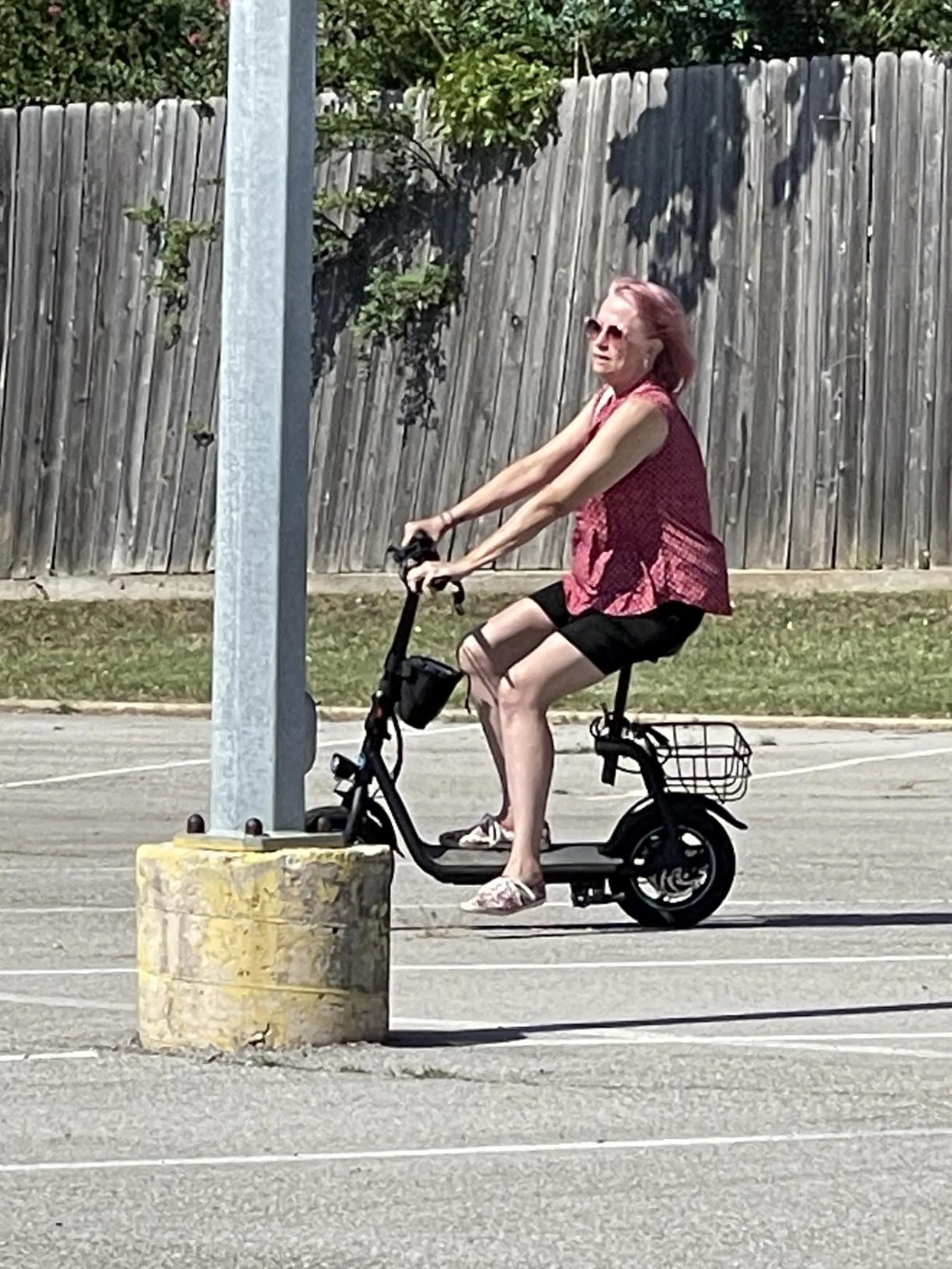
The rise of electric bikes (e-bikes) has revolutionized urban commuting and recreational cycling, but their legal status often sparks confusion. Are they just bicycles with a little extra help, or do they qualify as motorized vehicles? The answer isn’t as straightforward as you might think—let’s dive into the details.
Understanding the Basics of Electric Bikes
Electric bikes, or e-bikes, are bicycles equipped with an electric motor that assists with pedaling. Unlike motorcycles or scooters, e-bikes don’t rely solely on the motor; instead, they provide pedal assistance up to a certain speed. This hybrid nature blurs the line between traditional bicycles and motorized vehicles.
Legal Definitions and Classifications
Different countries and regions have varying definitions for e-bikes. In many places, e-bikes are classified based on factors like motor power, speed limits, and whether they require pedaling. For example:
- Class 1: Pedal-assist only, with a maximum speed of 20 mph.
- Class 2: Throttle-assisted, with a maximum speed of 20 mph.
- Class 3: Pedal-assist only, with a maximum speed of 28 mph.
In some jurisdictions, e-bikes that exceed these limits may be classified as motorized vehicles, requiring registration, insurance, and a driver’s license.
E-Bikes vs. Motorized Vehicles: Key Differences
While e-bikes and motorized vehicles both use electric or combustion engines, there are critical distinctions:
- Pedal Requirement: E-bikes typically require pedaling, whereas motorized vehicles do not.
- Speed Limits: E-bikes are capped at lower speeds compared to motorcycles or scooters.
- Infrastructure Use: E-bikes are often allowed on bike lanes and paths, while motorized vehicles are restricted to roads.
Regulatory Challenges and Safety Concerns
The rapid adoption of e-bikes has outpaced regulatory frameworks in many areas. Some concerns include:
- Safety Risks: Higher speeds can lead to accidents, especially when e-bikes share space with pedestrians.
- Enforcement Issues: Without clear classifications, law enforcement struggles to regulate e-bike use effectively.
- Insurance and Liability: Determining fault in accidents involving e-bikes can be complicated.
The Future of E-Bike Regulations
As e-bikes become more prevalent, governments are working to update laws to reflect their unique characteristics. Potential changes include:
- Standardized Definitions: Clearer guidelines to distinguish e-bikes from motorized vehicles.
- Infrastructure Adaptations: Dedicated lanes and parking for e-bikes to reduce conflicts.
- Education Campaigns: Promoting safe riding practices to minimize accidents.
Whether you’re a daily commuter or a weekend rider, understanding the legal status of your e-bike is crucial. As regulations evolve, staying informed will help you navigate the roads—and bike lanes—with confidence.
Cheap Big Wheel Electric Scooter: The Ultimate Guide to Affordable and Stable Rides
Cheap Big Wheel Electric Scooter: The Ultimate Guide to Affordable and Stable Rides