

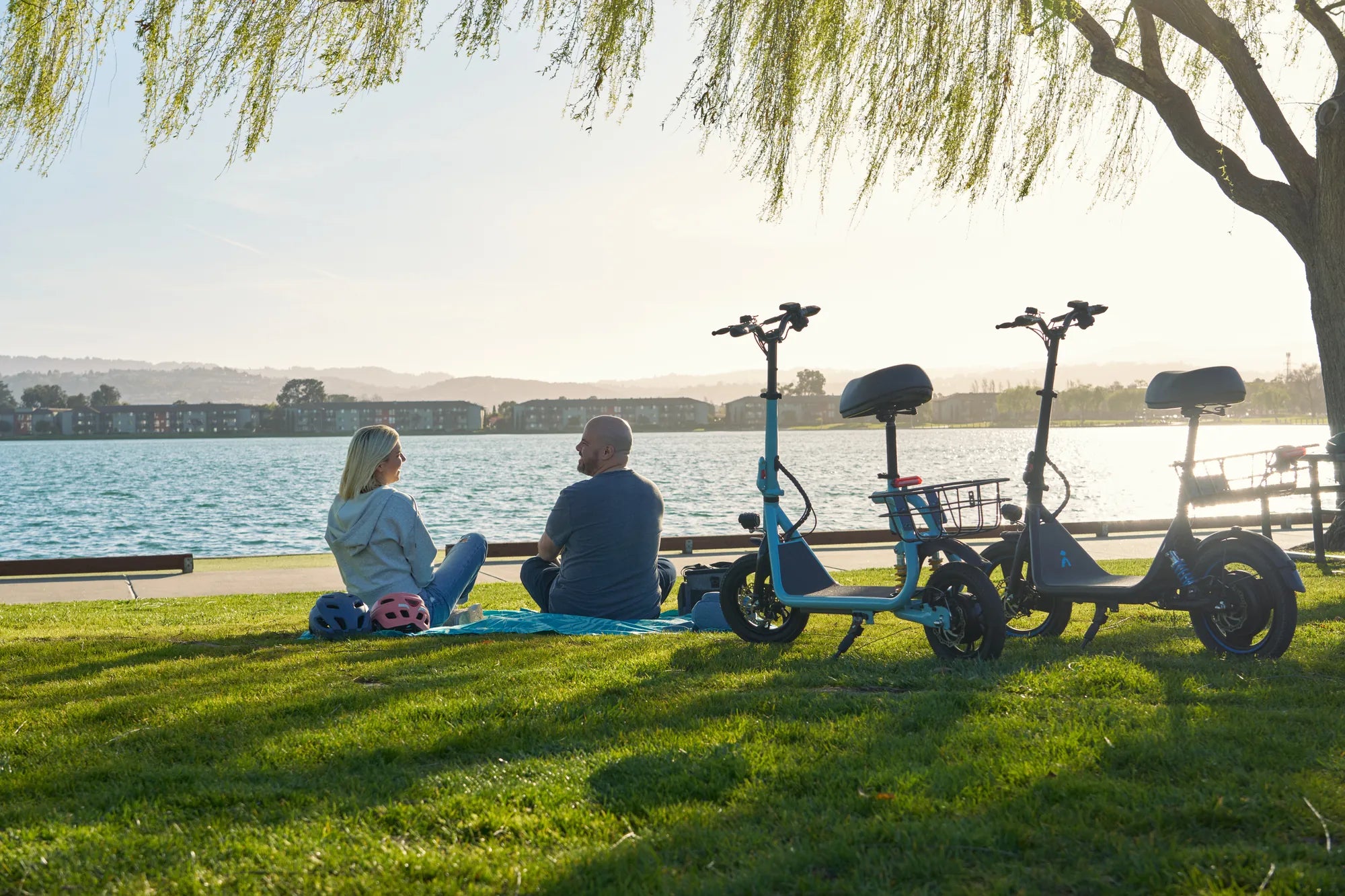
Electric scooters have taken urban commuting by storm, offering a convenient and eco-friendly alternative to traditional transportation. But when it comes to long-distance travel, many riders wonder: is an electric scooter good for long distance? Let’s dive into the factors that determine whether an electric scooter can handle extended journeys and what you should consider before hitting the road.
Battery Life and Range
One of the most critical factors for long-distance travel on an electric scooter is battery life. Most electric scooters are designed for short commutes, with ranges between 15 to 30 miles on a single charge. However, high-end models can offer ranges of 50 miles or more. If you’re planning a long-distance trip, you’ll need to ensure your scooter’s battery can handle the distance or plan for charging stops along the way.
Speed and Efficiency
Electric scooters typically have top speeds ranging from 15 to 30 mph, depending on the model. While this is sufficient for city commuting, it may not be ideal for long-distance travel, especially if you’re covering highways or busy roads. Additionally, riding at higher speeds can drain the battery faster, reducing your overall range.
Comfort and Ergonomics
Long-distance travel requires comfort, and most electric scooters aren’t designed for extended rides. The small wheels and lack of suspension can make for a bumpy and uncomfortable journey, especially on uneven terrain. If you’re considering a long-distance trip, look for scooters with larger wheels, better suspension, and ergonomic handlebars to reduce fatigue.
Safety Considerations
Safety is another crucial factor when using an electric scooter for long distances. Scooters are less stable than bicycles or cars, and riding for extended periods can increase the risk of accidents. Always wear a helmet, use lights and reflectors for visibility, and follow local traffic laws to ensure a safe ride.
Charging Infrastructure
Unlike electric cars, which have a growing network of charging stations, electric scooters often rely on portable chargers or standard outlets. If you’re planning a long-distance trip, you’ll need to map out charging points in advance or carry a spare battery to avoid getting stranded.
Environmental Impact
One of the biggest advantages of electric scooters is their low environmental impact. They produce zero emissions and consume far less energy than cars. If sustainability is a priority for you, an electric scooter can be a great choice for long-distance travel, provided you plan your route and charging needs carefully.
Cost-Effectiveness
Electric scooters are significantly cheaper to operate than cars or motorcycles. With lower maintenance costs and no fuel expenses, they can be a cost-effective option for long-distance travel. However, the initial investment in a high-range model may be higher, so weigh the upfront cost against long-term savings.
Weather Conditions
Weather can greatly affect your long-distance scooter ride. Rain, wind, and extreme temperatures can reduce battery efficiency and make riding uncomfortable or even dangerous. Always check the weather forecast before embarking on a long trip and dress appropriately.
Alternatives to Consider
If an electric scooter doesn’t seem like the best fit for your long-distance needs, consider alternatives like electric bikes, which offer better comfort and range, or public transportation for part of your journey. Combining modes of transport can sometimes be the most practical solution.
So, is an electric scooter good for long distance? The answer depends on your specific needs and circumstances. While they offer many benefits, including cost savings and environmental friendliness, their limitations in range, comfort, and safety must be carefully considered. With proper planning and the right scooter, long-distance travel is possible—but it’s not for everyone. Ready to take the plunge? Make sure you’re fully prepared before hitting the open road!
Girls Gift Guide 2025: The Ultimate List of Trendy and Thoughtful Presents
How to Fix Error 15 Electric Scooter: A Step-by-Step Guide