

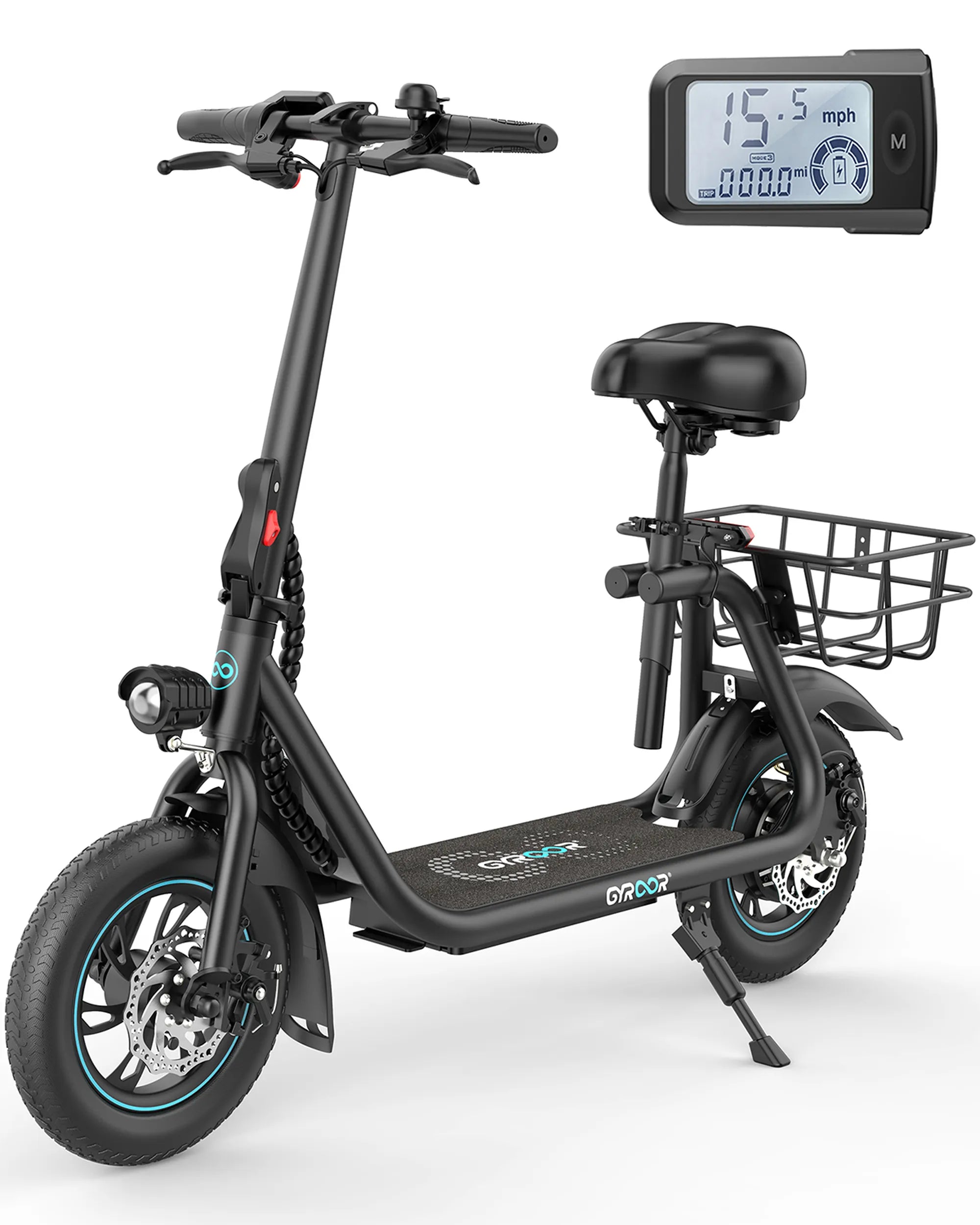
Electric bikes (e-bikes) have revolutionized urban transportation, offering a convenient and eco-friendly alternative to traditional bikes and cars. But as their popularity grows, so do questions about where they can legally be ridden. One of the most common questions is: Is it illegal to ride an electric bike on the sidewalk? The answer isn’t always straightforward, as laws vary by location and depend on factors like bike classification, local ordinances, and safety considerations.
Understanding Electric Bike Classifications
Before diving into sidewalk legality, it’s important to understand how e-bikes are classified. Most regions categorize e-bikes into three classes:
- Class 1: Pedal-assist only, with no throttle, and a maximum speed of 20 mph.
- Class 2: Throttle-assisted, with a maximum speed of 20 mph.
- Class 3: Pedal-assist only, with a maximum speed of 28 mph.
These classifications often determine where an e-bike can legally be ridden. For example, Class 3 e-bikes are typically prohibited on sidewalks due to their higher speed.
Sidewalk Riding Laws by Location
The legality of riding an e-bike on the sidewalk varies widely depending on local laws. Here’s a general breakdown:
United States
In the U.S., e-bike regulations are determined at the state and municipal levels. Some states, like California, explicitly prohibit riding e-bikes on sidewalks, while others leave it up to cities or counties to set their own rules. For example:
- California: E-bikes are generally not allowed on sidewalks unless local ordinances permit it.
- New York: E-bikes with a throttle are banned from sidewalks, but pedal-assist e-bikes may be allowed in some areas.
- Texas: Local governments decide whether e-bikes can be ridden on sidewalks.
Canada
In Canada, e-bike laws are also region-specific. Most provinces treat e-bikes similarly to traditional bicycles, but sidewalk riding is often prohibited in urban areas. For example:
- Ontario: E-bikes are not allowed on sidewalks unless designated as a multi-use path.
- British Columbia: Sidewalk riding is generally prohibited unless local bylaws allow it.
Europe
European countries tend to have stricter regulations. In many places, e-bikes (especially those exceeding 15.5 mph) are treated as motor vehicles and are banned from sidewalks. For example:
- Germany: E-bikes over 15.5 mph are not allowed on sidewalks.
- UK: Only pedal-assist e-bikes under 15.5 mph are allowed on bike paths, not sidewalks.
Why Sidewalk Riding Is Often Restricted
Even where it’s legal, riding an e-bike on the sidewalk can be risky. Here’s why many places restrict it:
- Pedestrian Safety: Sidewalks are designed for walking, and e-bikes can pose a danger to pedestrians, especially at higher speeds.
- Visibility Issues: Cars exiting driveways or turning at intersections may not see e-bikes on sidewalks, increasing collision risks.
- Liability Concerns: If an accident occurs, the e-bike rider may be held liable for damages or injuries.
Alternatives to Sidewalk Riding
If sidewalk riding is prohibited or unsafe in your area, consider these alternatives:
- Bike Lanes: Use designated bike lanes whenever available.
- Road Riding: Follow traffic laws and ride on the road where permitted.
- Multi-Use Paths: Look for shared paths that allow both pedestrians and cyclists.
Penalties for Illegal Sidewalk Riding
Violating e-bike sidewalk laws can result in fines or other penalties. For example:
- Fines: Riders may face fines ranging from $50 to $500, depending on the jurisdiction.
- Confiscation: In extreme cases, law enforcement may impound the e-bike.
- Legal Liability: If an accident occurs, riders may be sued for damages.
How to Stay Compliant
To avoid legal trouble, follow these tips:
- Check Local Laws: Research your city or state’s e-bike regulations.
- Ride Responsibly: Even where legal, ride slowly and yield to pedestrians.
- Use Proper Gear: Wear a helmet and follow traffic signals.
Riding an electric bike on the sidewalk might seem convenient, but it’s not always legal—or safe. Before you hop on your e-bike, take the time to understand your local laws and explore safer alternatives. Whether you’re commuting or just enjoying a ride, staying informed will help you avoid fines, accidents, and unnecessary headaches.
Electric Scooter Charging Price in India: A Comprehensive Guide
Electric Scooter Charging Price in India: A Comprehensive Guide