

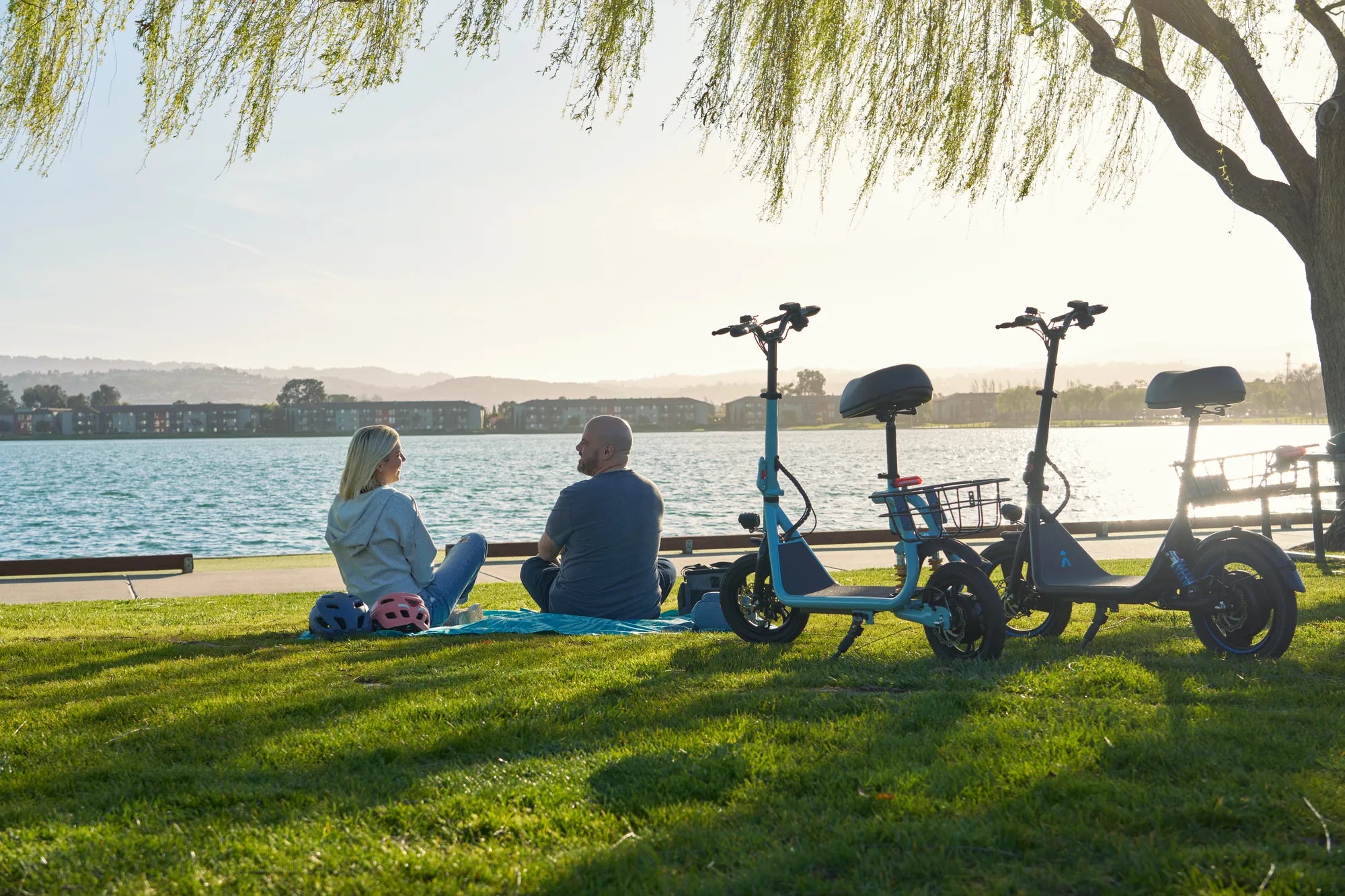
Navigating the E-Scooter Legal Landscape
The question, 'Is it illegal to ride electric scooters?' has no single answer. Legality depends entirely on a patchwork of local ordinances, state vehicle codes, and your specific riding behavior. The rapid adoption of e-scooters for commuting and recreation has outpaced uniform legislation, creating a confusing environment for riders.
This guide provides the clarity you need. We will dissect the legal hierarchy from federal guidelines to hyper-local rules. You will learn the key variables that determine legality, from scooter specifications to riding locations. Our goal is to equip you with actionable knowledge, ensuring your rides are not only fun but fully compliant with the law.
Understanding these rules is not just about avoiding fines—it's about ensuring safety for yourself, pedestrians, and other road users. With the right information, you can confidently navigate your city's streets and pathways.
The Regulatory Hierarchy: Federal, State, and Local Laws
There is no federal law that bans or universally legalizes electric scooters. Instead, the U.S. Consumer Product Safety Commission (CPSC) sets baseline safety standards for the manufacturing and sale of micro-mobility devices. These standards are crucial for consumer protection but do not govern where or how you ride.
State legislatures create the primary legal framework. Most states have passed laws classifying 'electric scooters' or 'low-speed electric bicycles' as distinct vehicle types. These laws typically define them by maximum speed (often 15-20 mph) and motor wattage, legally separating them from mopeds, motorcycles, and bicycles.
The most critical—and variable—rules are set at the city and municipal level. Local governments enact ordinances to manage scooter use on their infrastructure. These rules dictate where you can ride, park, whether helmets are mandatory, and if rental scooters are permitted. Always assume local laws supersede less restrictive state guidelines.
Key Legal Factors That Determine Legality
Legality is not a binary state. Law enforcement and city ordinances assess several specific variables. Ignorance of any one factor can result in a citation. Here are the pillars that define a legal ride.
Where You Can (and Cannot) Ride
The most common point of confusion is riding location. Sidewalk riding is frequently prohibited, especially in business districts, due to pedestrian safety concerns. Violations here often carry the highest fines. Bike lanes are almost universally the safest and most legally sound option.
When a dedicated bike lane is absent, rules vary. Some cities allow e-scooters on roads with speed limits under 25 or 35 mph. Others may restrict them entirely from certain roadways. Riding against traffic is always illegal. Planning your route around bike-friendly infrastructure is a cornerstone of legal riding.
Age, Helmet, and Licensing Requirements
Age restrictions are common. Many states and cities set a minimum riding age of 16. Helmet laws are more nuanced; they are frequently mandatory for riders under 18, but many jurisdictions strongly recommend or require them for all ages, especially for rental scooter users.
A driver's license is rarely required to operate a private e-scooter, as they are not classified as motor vehicles. However, some cities require a valid ID or learner's permit. For rental scooters, a valid driver's license is almost always required to verify age and identity via the app.
Scooter Specifications: Speed, Power, and Equipment
Your scooter's capabilities directly impact its legality. State laws often cap maximum speed on public rights-of-way at 15 or 20 mph. A scooter capable of 30+ mph may be classified as a moped, requiring registration, insurance, and a license. Responsible brands design models with these limits in mind.
Required equipment is equally important. For night riding, a front white light and a rear red reflector or light are commonly mandated by vehicle codes. An audible bell or horn is also a standard requirement. Riding without this equipment, even during the day, can be a citable offense.
Rental vs. Private Scooter Rules
The regulatory treatment differs. Rental scooters operate under a city-issued permit, which dictates fleet size, parking corrals, and no-ride/ slow-ride zones enforced by geofencing. The rental company assumes liability and ensures its fleet meets local spec requirements.
As a private owner, you have more freedom in where you store and use your scooter, but you bear 100% of the responsibility for knowing and following all traffic laws. Your scooter must be permanently equipped to meet local standards for lights and reflectors.
How to Ensure Your Gyroor Scooter Ride is Legal
Owning a scooter from a reputable brand like Gyroor is your first step toward safe, compliant riding. Here’s how to leverage your Gyroor's features and take proactive steps to stay within the law.
Leveraging Gyroor's Built-in Compliance Features
Gyroor scooters are engineered with legality and safety in mind. The use of UL-certified battery packs isn't just about reliability; it's a critical safety standard that some forward-thinking cities are beginning to reference in their ordinances regarding privately-owned devices.
The IPX5 water-resistant rating on many Gyroor models ensures the electrical systems remain safe and operational in wet conditions. This reliability means your lights and controls won't fail during a sudden drizzle, helping you maintain the operational safety required by law. Consistent performance is key to compliance.
A Rider's Pre-Ride Legal Checklist
Develop a routine before you ride. First, know your local laws. Bookmark your city's transportation department webpage. Second, if your Gyroor model has adjustable speed modes (like the Gyroor F1), set it to a mode that complies with local speed limits before starting your trip.
Third, perform a quick safety check: ensure brakes are responsive, front and rear lights are functioning, and your bell is audible. Fourth, plan your route using bike lane maps. Avoid sidewalks in commercial areas and streets with high-speed traffic. This 2-minute routine drastically reduces legal risk.
The Role of Warranty and Support in Safe, Legal Riding
A well-maintained scooter is a compliant scooter. Gyroor's 1-year comprehensive warranty and accessible customer support ensure that any performance issue—from a dimming tail light to brake pad wear—can be resolved promptly. This prevents you from unintentionally riding an unsafe or non-compliant vehicle.
Regular maintenance, supported by Gyroor's network, keeps your scooter operating at its designed specifications. This is vital for consistent braking performance, light visibility, and battery safety, all of which are indirect but crucial components of riding legally and responsibly.
Potential Penalties and the Rationale for Rules
Understanding the consequences underscores the importance of compliance. Penalties for illegal riding can be significant and are becoming more strictly enforced as micro-mobility integrates into city transport grids.
Common penalties include fines ranging from $50 for a helmet violation to over $200 for sidewalk riding or speeding. In some jurisdictions, police can impound your scooter. In severe cases, such as reckless riding under the influence, points can be added to your driver's license.
These rules exist for clear reasons. Sidewalk bans protect pedestrians, particularly the elderly and disabled. Helmet laws are proven to reduce head injuries. Speed and equipment regulations ensure predictable, safe interactions between scooters, bicycles, and cars in shared spaces. Compliance isn't bureaucratic; it's about communal safety.
Comparison of Common E-Scooter Use Cases & Legal Considerations
| Use Case | Recommended Gyroor Model Type | Key Legal Focus Areas | Typical Jurisdiction Rules |
|---|---|---|---|
| Urban Commuting (3-10 miles) | Commuters (e.g., Gyroor F1) | Bike lane usage, parking, helmet laws, speed limits (≤20 mph) | Often banned on sidewalks. Must follow all traffic signals. |
| Campus/Neighborhood Errands | Lightweight & Foldable | Sidewalk allowances (if any), age minimums, low-speed zones | Private campuses may have own bans. Residential sidewalks sometimes permitted. |
| Recreational Trail Riding | Off-road/All-Terrain | Land access laws, motor vehicle prohibitions on trails | Almost always prohibited on unparked nature trails. Check local park ordinances. |
| Last-Mile from Transit | Ultra-Portable | Carrying on public transit, geofenced no-ride zones near stations | Transit agencies have specific rules for folded e-scooter carriage. |
Frequently Asked Questions (FAQ)
Q: Do I need insurance to ride my electric scooter?
A: Most states do not require insurance for privately-owned e-scooters. However, it is highly recommended. Your homeowner's or renter's insurance may offer some liability coverage, but a dedicated personal electric vehicle insurance policy is best for covering theft, damage, or injury liability. Always verify with your local DMV.
Q: Can I ride my e-scooter in state or national parks?
A: Generally, no. Federal and state parks typically prohibit motorized vehicles, including e-scooters, on hiking, biking, and nature trails. They may be restricted to paved roads open to public vehicle traffic, but park-specific rules always apply. Always check the official park website before your visit.
Q: Are electric scooters legal in all 50 states?
A: No. While a majority of states have passed laws legalizing them with regulations, a few states may have ambiguous statutes or leave legality entirely to municipalities. Some cities within otherwise permissive states may have local bans. You must research your specific state and city laws.
Q: Where can I find the laws for my specific city?
A: The most authoritative source is your local government's website. Search for "[Your City Name] municipal code" or "[Your City Name] transportation department." Look for chapters on vehicles, traffic, or micro-mobility. For larger cities, dedicated micro-mobility or shared scooter program pages often outline rules for private devices as well.
Q: What happens if I'm caught riding an e-scooter under the influence?
A: This is a serious offense. In most jurisdictions, DUI/DWI laws apply to operating any vehicle, including e-scooters, on public roads. Penalties can include heavy fines, license suspension (even if you weren't in a car), and possible jail time. The legal blood alcohol limit is the same as for driving a car.
Ride Smart, Ride Safe, Ride Legally
The freedom of electric scooter riding comes with the responsibility to know and follow the law. Legality is not a mystery; it's a matter of diligent research and conscientious riding. By understanding the hierarchy of rules and focusing on key factors like location, equipment, and speed, you can avoid penalties and contribute to safer streets for everyone.
Choosing a trusted brand like Gyroor, with its commitment to UL-certified safety, robust construction, and reliable support, provides a solid foundation for legal compliance. Over 100,000 riders trust Gyroor for reliable performance that meets the demands of evolving urban transportation laws.
Equip yourself with knowledge, respect your local ordinances, and enjoy the efficient, sustainable mobility that electric scooters offer. Start your journey with confidence by exploring scooters designed for real-world compliance.
Ready to ride with confidence? Browse the full collection of UL-certified, feature-complete electric scooters and e-bikes at gyroorboard.com.
Electric Scooters in Waco TX: The Ultimate Guide to Eco-Friendly Commuting
Are Electric Scooters Banned in NSW? The Complete Guide to E-Scooter Laws