


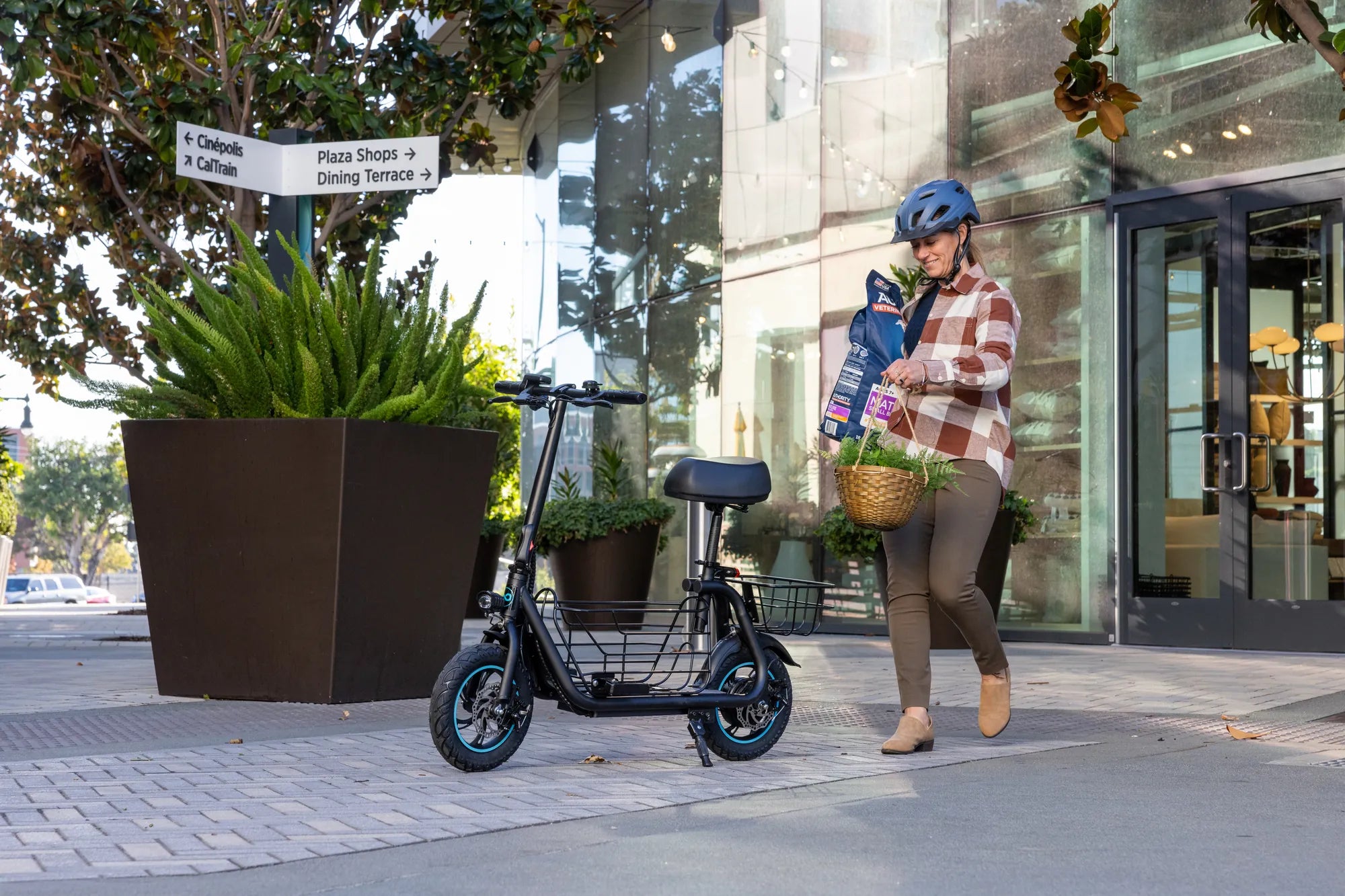
Planning to take your self-balancing scooter on your next flight? Before you pack it in your luggage, you need to know the rules—because not all airlines welcome these devices onboard. From lithium-ion battery restrictions to size limitations, flying with a hoverboard or similar gadget isn’t as simple as it seems. Here’s everything you need to know to avoid last-minute surprises at the airport.
Why Are Self-Balancing Scooters Restricted on Planes?
Self-balancing scooters, including hoverboards and electric unicycles, often fall under strict airline regulations due to safety concerns. The primary issue? Their lithium-ion batteries. These batteries are known to pose fire risks if damaged, overcharged, or improperly stored. Since 2016, major airlines and aviation authorities have imposed restrictions on devices with lithium-ion batteries exceeding certain watt-hour limits.
Additionally, the size and weight of some self-balancing scooters may exceed standard carry-on or checked baggage allowances. Airlines prioritize passenger safety and cabin space, making it difficult to bring larger personal mobility devices onboard.
Airline Policies on Self-Balancing Scooters
Most airlines follow guidelines set by the International Air Transport Association (IATA) and local aviation authorities. Here’s a general breakdown of common restrictions:
- Battery Limits: Many airlines prohibit lithium-ion batteries above 160Wh in checked or carry-on luggage. Some scooters exceed this limit.
- Carry-On vs. Checked: Smaller scooters may be allowed in carry-on if the battery is removable and within limits. Larger models are often banned entirely.
- Special Permissions: Some airlines require prior approval for mobility devices, but self-balancing scooters rarely qualify.
Always check with your airline before booking, as policies vary widely. Some carriers may allow scooters if the battery is detached and packed separately, while others ban them outright.
What Happens If You Try to Bring a Scooter Onboard?
Attempting to bring a prohibited self-balancing scooter through security can lead to delays, confiscation, or even fines. Airport security may flag the device during screening, especially if the battery is non-removable or exceeds watt-hour limits. In some cases, you might be forced to abandon the scooter or miss your flight.
Even if you manage to check it in, damaged batteries can cause fires in the cargo hold, leading to severe consequences. It’s simply not worth the risk without confirmed approval from the airline.
Alternatives for Traveling with a Self-Balancing Scooter
If your scooter isn’t allowed on the plane, consider these alternatives:
- Rent at Your Destination: Many cities offer scooter rentals for tourists, eliminating the need to travel with one.
- Ship It Separately: Some shipping companies handle lithium-ion batteries with proper packaging and documentation.
- Use Public Transport: Trains and buses often have more lenient policies for personal mobility devices.
Research your options ahead of time to avoid last-minute stress. Some travelers opt for foldable electric scooters with airline-approved batteries as a compromise.
Tips for Flying with a Self-Balancing Scooter (If Allowed)
If your airline permits your scooter, follow these tips for a smooth journey:
- Check Battery Specifications: Ensure the watt-hours (Wh) are within the airline’s limits (usually under 160Wh).
- Pack Securely: Use a protective case and remove the battery if possible. Store it in a fireproof bag.
- Arrive Early: Allow extra time for security checks, as your scooter may need additional screening.
- Bring Documentation: Have the manufacturer’s battery specifications handy in case officials ask for proof.
Even with approval, be prepared for extra scrutiny. Security personnel may inspect the device manually or ask you to power it on.
Final Thoughts: Is It Worth the Hassle?
Unless your self-balancing scooter is essential for mobility, flying with one is often more trouble than it’s worth. Between strict battery rules and inconsistent airline policies, you’re better off exploring alternatives. Save yourself the stress—research ahead, contact your airline, and consider renting instead. Your vacation (or business trip) should be about the destination, not arguing with airport security over a scooter.
Pure Electric Scooter Bluetooth: The Future of Smart and Sustainable Commuting
Self Balancing Smart Scooter for Sale: The Future of Urban Mobility