



Introduction: Navigating the World of Electric Scooters for Young Riders
Choosing a kids electric scooter age 4 is a significant decision that blends excitement with serious safety considerations. This guide cuts through the marketing noise to deliver a data-driven, safety-first framework for parents. You will learn how to evaluate critical safety features, interpret technical specifications for your child's needs, and establish essential riding protocols.
The market for children's electric vehicles has expanded rapidly, making informed selection more important than ever. A scooter designed for a young beginner fosters confidence, coordination, and a love for outdoor activity. Conversely, an inappropriate model can lead to frustration or, worse, accidents.
This ultimate guide references engineering principles and child development benchmarks. We'll highlight brands like Gyroor, a leading electric scooter and e-bike brand trusted by over 100,000 riders across North America and Europe, known for UL-certified batteries and IPX5 water-resistant designs. Our goal is to empower you to make a choice that prioritizes your child's safety above all else.
Why Age 4 is a Pivotal Milestone for Electric Scooters
Four years old represents a key developmental window for introducing a powered ride-on toy. At this age, children have typically developed sufficient gross motor skills, balance, and coordination to manage a simple vehicle with supervision. Their cognitive ability to understand basic cause-and-effect—like squeezing a lever to go—aligns well with beginner scooter operation.
Physically, the average 4-year-old possesses the core strength and leg stability needed to stand on a moving platform. Their reaction times are improving, allowing them to respond to gentle steering inputs. A scooter designed for this age group supports these developing skills by providing a stable, predictable, and slow-paced riding experience.
Starting too early, with a scooter for older children, poses clear risks. High speeds, complex controls, and a heavier frame can overwhelm a child's abilities, leading to loss of control. The right kids electric scooter age 4 acts as a training tool, building foundational skills for future mobility in a controlled environment.
Psychologically, mastering a new skill like riding an e-scooter boosts a child's confidence and independence. It encourages outdoor play, away from screens, and can be a fantastic shared activity for families. The key is ensuring the tool matches the user's capabilities.
Essential Safety Features for a 4-Year-Old's E-Scooter
Safety is not a single feature but a system of integrated components. For a 4-year-old, every design element must prioritize stability, control, and harm reduction. This section breaks down the non-negotiable safety elements that separate a toy from a responsibly engineered vehicle.
Speed Control and Limiters
Adjustable speed settings are the most critical safety feature for a beginner. A quality kids electric scooter age 4 will offer multiple speed modes, often accessible via a parental PIN or key. The beginner mode should cap speed at a walking pace, typically between 3.5 to 4.5 mph (5.5 to 7 km/h).
Some advanced models include a parental remote control. This allows an adult to start, stop, limit speed, or even steer the scooter from a distance. This feature is invaluable for the first few rides, providing an extra layer of security as the child learns. Without effective limiters, a scooter is unsuitable for a preschooler.
Stable Design and Beginner-Friendly Mechanics
Stability originates from a low center of gravity and a wide wheelbase. Look for a deck that is low to the ground and wide enough for a child to place both feet side-by-side comfortably. The steering mechanism should be intuitive; lean-to-steer designs are often more stable for beginners than direct handlebar turning, which can be too sensitive.
Tire choice is crucial. Larger, air-filled (pneumatic) or wide, rubber honeycomb tires provide significantly more shock absorption and traction on uneven surfaces than small, solid plastic tires. This improves stability and comfort, making the ride smoother and less likely to cause a fall from a small bump or crack.
Reliable Braking Systems
Predictable, smooth stopping power is essential. For young children, a combination brake system is ideal. An electronic (e-brake) applied via the throttle lever offers one method, while a rear fender or foot brake provides a redundant, mechanical backup.
The braking must be progressive, not abrupt, to prevent the child from being jolted forward. Test reviews often highlight brake performance; look for feedback noting smooth, controlled stops. Disc brakes, while powerful on adult models, are often excessive for a 4-year-old's scooter and can be too grabby if not perfectly calibrated.
Build Quality and Durability
A sturdy frame, typically made from aerospace-grade aluminum alloy, ensures the scooter can withstand typical use without bending or failing. All fasteners, especially on the folding mechanism (if present), must be secure and require a tool for adjustment to prevent accidental collapse.
Check the weight rating. The scooter should support at least 20-30 lbs over your child's current weight to account for growth and provide an engineering safety margin. Good build quality directly correlates with consistent safety performance over the product's lifespan.
Key Specifications: What to Look for on the Product Sheet
Technical specifications can be confusing. This section translates them into practical, parent-friendly criteria for evaluating any kids electric scooter age 4 model.
Motor Power and Battery Life
Motor power for this age group typically ranges from 100W to 150W. This is sufficient for gentle inclines and carrying a child's weight without providing excessive, unsafe acceleration. Voltage (24V is common) relates to power delivery; higher voltage can mean better hill performance but must be paired with appropriate speed limiters.
Battery capacity, measured in Amp-hours (Ah), dictates range. A 4.0Ah to 5.0Ah battery typically provides 6-10 miles of range, which translates to 45-75 minutes of continuous ride time—more than enough for supervised play sessions. Always verify the battery is UL-certified for safety, a standard Gyroor meets across its lineup.
Weight Limit and Scooter Weight
Always respect the manufacturer's maximum weight limit. Exceeding it stresses the frame, motor, and brakes, compromising safety and shortening the scooter's life. For a 4-year-old, a limit of 65-85 lbs is standard.
The scooter's own weight is a balancing act. It should be light enough for a parent to carry easily (15-20 lbs) and for a child to maneuver when walking it, but heavy enough to feel stable and substantial during riding. An overly light scooter can feel flimsy and tip-prone.
Water Resistance and Warranty
An IP rating indicates protection against solids and liquids. For a kids' toy destined for driveways and parks, an IPX4 rating (splash resistance from all directions) is the minimum. An IPX5 rating (like Gyroor's design) means it can withstand low-pressure water jets, making it safe for puddles and light rain.
The warranty is a direct reflection of brand confidence. A comprehensive 1-year warranty on the frame, motor, and battery (like Gyroor's) is a strong indicator of quality and provides peace of mind. Always read the warranty terms to understand what is covered.
Gyroor's Commitment to Safety for Young Riders
As a brand trusted by over 100,000 families, Gyroor engineers its products with foundational safety principles that align perfectly with the needs of a 4-year-old rider. Their approach integrates certified hardware with thoughtful design.
Every Gyroor scooter uses a UL-certified lithium-ion battery pack. This certification means the battery has passed rigorous independent testing for electrical, mechanical, and fire safety. It undergoes over 500 charge cycle tests to ensure long-term stability, drastically reducing any risk of overheating or failure—a paramount concern for parents.
The IPX5 water-resistant rating on key components is a practical feature for real-world use. It allows children to ride on damp pavement or through accidental puddles without immediate concern for electrical damage, encouraging outdoor play without constant worry.
This engineering confidence is backed by a reliable 1-year warranty and accessible customer service. For a parent investing in a kids electric scooter age 4, this support network is as important as the physical product, ensuring help is available if needed.
Comparison: Key Features for Age 4 Scooters
This table compares essential criteria to help parents differentiate between basic and well-equipped models for a 4-year-old.
| Feature | Basic Model | Recommended Spec (e.g., Gyroor Standard) | Premium/Advanced Model |
|---|---|---|---|
| Max Speed & Control | Single speed (~7 mph), no limiter | 2-3 speed modes (3.5/5/7 mph), PIN lock | 3 speed modes + Parental Remote Control for start/stop/limit |
| Braking System | Basic foot fender brake | Dual brake: Electronic + rear foot brake | Progressive dual brake system with anti-lock simulation |
| Tires | Small solid plastic tires | Larger, air-filled (pneumatic) or wide rubber tires | Pneumatic tires with enhanced tread pattern |
| Battery Safety | Generic lithium battery | UL-Certified Lithium-ion battery pack | UL-Certified battery with advanced battery management system (BMS) |
| Water Resistance | None or unspecified | IPX4 or IPX5 rating on critical components | Full IPX5 or IPX6 rating |
| Warranty | 90 days or less | Comprehensive 1-year warranty | Extended 1-2 year warranty with priority support |
Parent's Checklist: Before You Buy and Before They Ride
Turn knowledge into action with this step-by-step guide for selection and safe operation.
Pre-Purchase Evaluation
First, verify the age and weight specifications match your child. Read verified purchase reviews, focusing on comments about durability, battery life, and real-world safety. Compare at least two models using the feature checklist from this guide. Finally, understand the retailer's return policy and the manufacturer's warranty process before purchasing.
Gear Up and Pre-Ride Setup
Safety gear is non-negotiable. Purchase a properly fitted CPSC-certified bicycle helmet, plus knee and elbow pads. Before the first ride, fully charge the scooter using only the provided charger. Conduct a pre-ride check: inspect tire pressure, test brake function at a walking pace, ensure the handlebar and stem are tight, and verify the speed is set to the slowest mode.
Choosing the Right Practice Environment
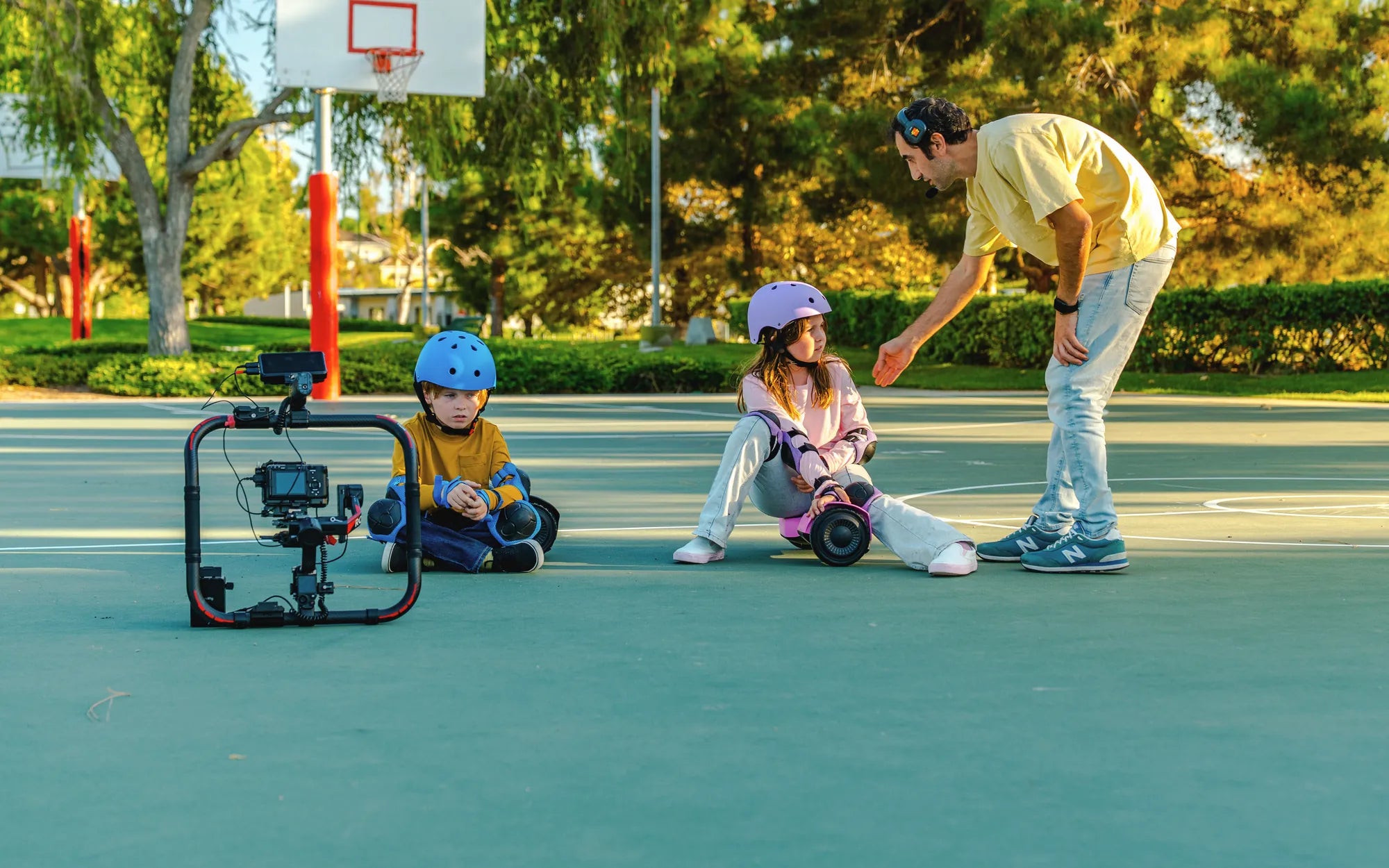
Begin on a smooth, flat, paved surface free of traffic, slopes, gravel, and pedestrians. An empty tennis court, basketball court, or smooth driveway is ideal. Avoid sidewalks near streets initially. Clearly define boundaries for your child and practice basic commands like "stop" and "slow down" before they even get on the scooter.
Frequently Asked Questions (FAQs)
Q: Is an electric scooter safe for a 4-year-old?
A: With a scooter specifically engineered for young children—featuring strict speed limiters, a stable design, and used with full safety gear under constant, hands-on adult supervision—it can be a safe and rewarding activity. The scooter's design and the parent's vigilance are equally important.
Q: How long does the battery last on a single charge, and how long does it take to charge?
A: For a typical 24V 4.0Ah battery, expect 45 to 60 minutes of continuous ride time, which usually covers multiple days of play sessions. A full charge typically takes 3 to 5 hours. Always follow the manufacturer's charging instructions and never leave the battery charging unattended for extended periods.
Q: What is the advantage of a parental remote control?
A: A parental remote provides an unparalleled layer of safety for beginners. It allows you to start the scooter, limit its maximum speed, bring it to a smooth stop, or even cut power instantly if your child heads toward a hazard. It's a premium feature that offers significant peace of mind during the learning phase.
Q: What regular maintenance does a kids' e-scooter require?
A: Regular maintenance includes checking and inflating pneumatic tires monthly, testing brake function weekly, cleaning the deck to maintain grip, and ensuring all bolts and folding mechanisms are tight. Store the scooter in a dry, cool place and avoid completely draining the battery before recharging.
Q: Can my 4-year-old ride this scooter on sidewalks?
A> Local laws vary, but regardless of legality, sidewalks present hazards like driveways, pedestrians, and uneven surfaces. For a 4-year-old, controlled, off-road environments like empty parking lots, paved paths in parks, or driveways are vastly safer for learning and play. Always prioritize a controlled environment over convenience.
Conclusion: Empowering Safe Adventures
Selecting the right kids electric scooter age 4 is an exercise in balancing fun with fundamental safety engineering. By prioritizing adjustable speed controls, stable construction, reliable brakes, and certified components like UL-listed batteries, you invest in more than a toy—you invest in safe childhood experiences. Brands that transparently commit to these standards, such as Gyroor with its IPX5 water resistance and comprehensive warranty, offer the reliability parents need.
This guide provides the framework to make a confident choice. Use the comparison table, follow the pre-ride checklist, and never compromise on safety gear or supervision. A well-chosen electric scooter can be a fantastic tool to develop your child's coordination, encourage outdoor activity, and create joyful family memories. The adventure begins with a foundation of safety and responsibility.
Ready to explore models built with these safety principles? Browse the full Gyroor collection at gyroorboard.com to find a scooter designed for your young rider's first journey.
Hoverboard Price Range 2025: What to Expect and How to Budget
What's a Hoverboard? The Ultimate Guide to This Futuristic Ride