

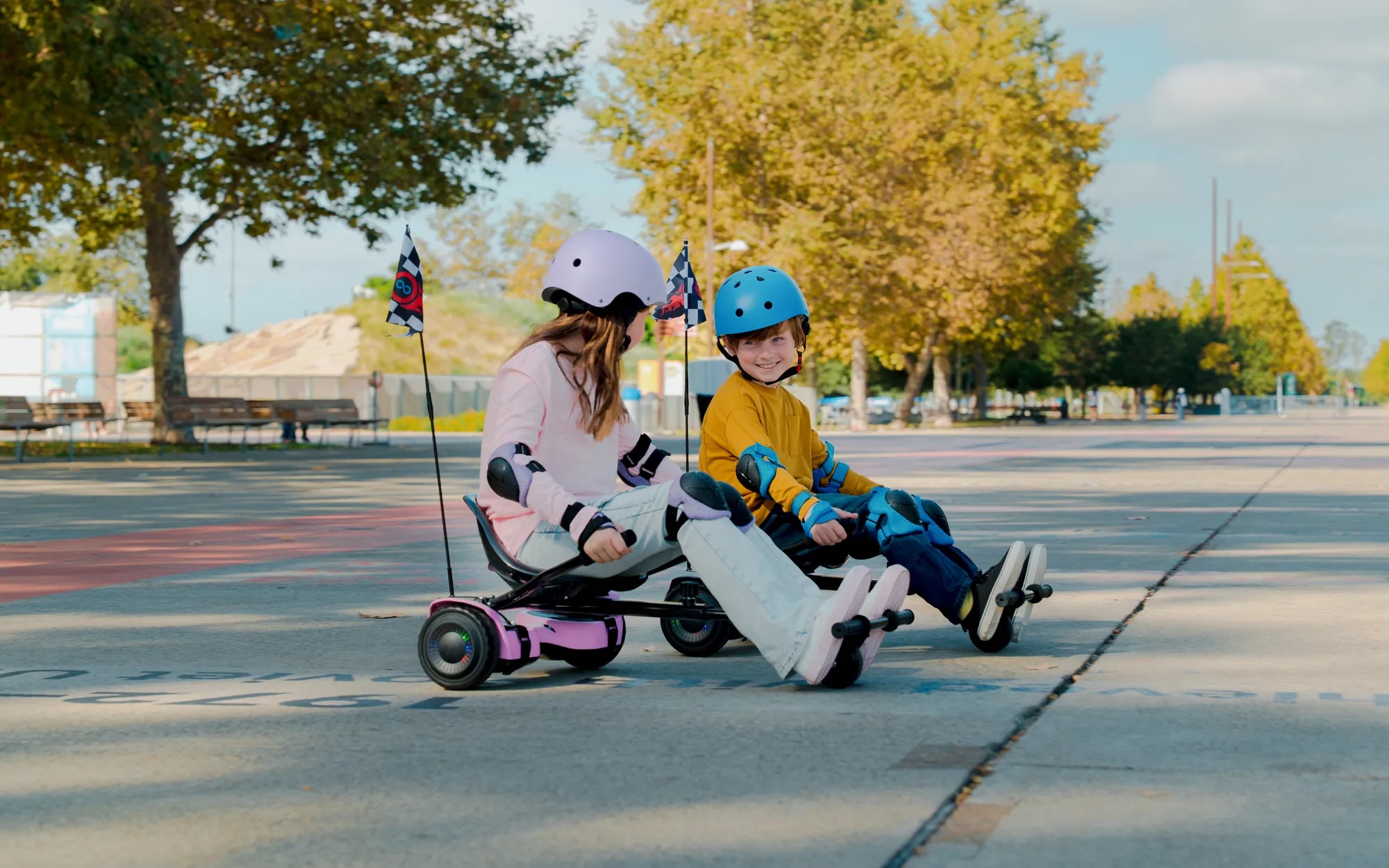
Introduction: Why Your Child's First E-Scooter Matters
Choosing your child's first electric scooter is a significant milestone, blending excitement with a natural dose of parental apprehension. It's more than a toy; it's an introduction to personal mobility, responsibility, and outdoor adventure. Getting it right means prioritizing safety engineering without sacrificing the pure fun and confidence-building that comes with that first taste of independent riding.
This guide is designed to cut through the marketing noise and provide you with factual, actionable information. We'll decode technical specifications, outline non-negotiable safety protocols, and explain the engineering benchmarks that separate a trustworthy product from a mere gadget. As a leader trusted by over 100 thousand riders, Gyroor designs with these parental priorities at the core, ensuring that the journey begins on a foundation of security and joy.
Understanding the Basics: What Makes a Scooter "Kid-Friendly"?
A kid-friendly electric scooter is defined by a specific set of engineering and design choices that differ markedly from adult models. The core philosophy is controlled performance and enhanced stability. Key differentiators include a lower center of gravity, intuitive thumb throttles or beginner modes, and handlebars scaled for a child's reach.
Durability is also paramount, but it must be balanced with weight. A scooter that is too heavy becomes unmanageable for a child to steer or carry up a curb. Materials like reinforced aluminum alloys offer this strength-to-weight ratio. Furthermore, appropriate wheel size (typically 6 to 8 inches for younger riders) and pneumatic or air-filled tires provide crucial shock absorption for a smoother, more stable ride over minor cracks and bumps.
Key Specifications to Decode: Voltage, Wattage, and Speed
Understanding a few key terms demystifies the buying process. Voltage (V) indicates the power system's potential; for young beginners, 24V to 36V systems are common, offering a balance of adequate power and safety. Wattage (W) refers to the motor's power output; a 150W to 250W motor is typically sufficient for kids, providing gentle acceleration and enough torque for slight inclines.
The most critical spec is speed. A child's first electric scooter should have a capped maximum speed, often between 10 mph (16 km/h) and 15 mph (24 km/h). Many quality models, including several from Gyroor, feature multiple speed modes (e.g., Beginner: 7 mph, Eco: 10 mph, Sport: 15 mph). This allows parents to lock the scooter to a safe speed initially, gradually unlocking more power as the child's skill and confidence grow responsibly.
The Safety First Checklist: Non-Negotiables for Parents
Before any purchase or ride, this checklist forms your essential safety audit. First, verify the scooter has a reliable braking system—usually a combination of electronic (e-brake) and mechanical (disc or rear foot brake) for redundancy. Second, ensure it has a robust, wide deck for secure footing and integrated lighting (front and rear) for visibility.
Third, check for a clear, age-appropriate weight limit and recommended age range from the manufacturer. Exceeding these limits compromises handling and safety. Finally, the scooter should have a clear warranty and accessible customer support, signaling the brand stands behind its product's safety and durability over time.
Essential Gear: Helmets, Pads, and Visibility
A certified helmet is an absolute, non-negotiable requirement for every single ride. Look for CPSC (U.S.) or CE (Europe) certification for bicycle helmets. It must fit snugly, sitting level on the head and covering the forehead. Elbow and knee pads are highly recommended, especially during the learning phase, to prevent common scrapes and impacts.
Visibility is a critical layer of safety. Even during daytime, reflective elements on clothing, a reflective vest, or add-on stickers on the scooter and helmet dramatically increase a child's visibility to drivers. Consider equipping the scooter or helmet with active LED lights if not already integrated.
Pre-Ride Inspection: A 60-Second Safety Routine
Instilling a quick pre-ride habit is a powerful safety lesson. Teach your child the "ABC Quick Check": Air (check tire pressure), Brakes (squeeze levers and test response), and Connections (ensure handlebars, stem, and folding mechanisms are tight and secure).
Add a visual scan of the frame for any significant new cracks or damage, and a quick test of the lights. This 60-second routine empowers your child to take ownership of their safety and can prevent accidents caused by mechanical failure.
Why Gyroor is Engineered for Young Riders: A Data-Driven Look
Gyroor's design philosophy directly addresses the core concerns of parents: battery safety, product longevity, and reliable performance. With a community of over 100,000 riders, their focus on UL-certified components and water-resistant builds provides a tangible safety advantage that goes beyond marketing claims.
The commitment to a 1-year comprehensive warranty and accessible support further reduces the long-term ownership risk. This engineering-first approach translates to scooters that are not only fun but are built as durable tools for learning and adventure.
The UL-Certified Battery: Peace of Mind in a Power Pack
The lithium-ion battery is the heart of an e-scooter, and its safety is paramount. UL (Underwriters Laboratories) certification means the battery pack has undergone rigorous independent testing for hazards like overcharging, short-circuiting, overheating, and mechanical abuse. This is a critical differentiator for in-home charging safety.
Gyroor's use of UL-certified battery packs, tested for 500+ charge cycles, directly mitigates the risk of battery-related incidents. It ensures stable power delivery, longer battery life, and, most importantly, provides parents with essential peace of mind when the scooter is charging in the garage or hallway.
Built to Last: IPX5 Water Resistance and Warranty
Kids will encounter puddles, morning dew, or light rain. An IPX5 water-resistance rating means the scooter's electrical components are protected against low-pressure water jets from any direction. This engineering feature prevents water damage from typical wet conditions, drastically increasing the scooter's durability and reliability through real-world use.
This resilience is backed by a robust 1-year warranty covering the motor, battery, and controller. This warranty is a data point that signals confidence in manufacturing quality and provides a clear solution path should any issue arise, ensuring your investment is protected.
Choosing the Right Model: Age, Skill, and Terrain
Selecting the ideal scooter requires matching the product's capabilities to your child's age, prior experience, and where they will primarily ride. A mismatch can lead to frustration, intimidation, or unsafe situations. The goal is a scooter that feels challenging yet controllable, growing with the rider.
For smooth pavements and suburban sidewalks, standard air-filled tires are excellent. If your child will ride on slightly rougher terrain like park paths or packed gravel, models with slightly larger wheels and suspension (even a simple spring in the stem) become valuable for comfort and control.
From First Timer to Confident Cruiser: Model Progression
Ages 6-9 / First-Time Riders: Prioritize maximum stability and low speed. Look for models with a low deck, 6-8 inch wheels, a speed cap of 10 mph or less, and a simple control interface. A lightweight frame is crucial here.
Ages 10+ / Beginners with Kick Scooter Experience: These riders can handle more features. Models with 8-inch pneumatic tires, a 15 mph max speed (with beginner mode), a wider deck, and perhaps a simple rear suspension are ideal. They offer room to grow into more confident riding.
Teens / Confident Riders: For responsible teens, features like longer range (15+ miles), higher torque for hills, enhanced suspension, and brighter lighting for evening rides become important. The focus shifts from pure beginner safety to performance and utility for commuting or longer adventures.
Teaching Responsible Riding: Rules, Etiquette, and Practice
Owning the scooter is just the start. Teaching how to use it responsibly is where parents have the greatest impact on long-term safety. Frame this as learning the "rules of the road," even for the sidewalk, instilling a sense of responsibility and awareness.
Start with a clear set of non-negotiable house rules: always wear a helmet, no riding after dark without permission and high-vis gear, and defined boundaries for where they can and cannot ride. Consistent enforcement is key.
Finding the Perfect Practice Zone
The initial learning environment is critical. An empty tennis or basketball court, a smooth school parking lot on the weekend, or a long, flat driveway are perfect. These areas are free from traffic, pedestrians, and slopes, allowing the child to focus solely on throttle control, braking, and balancing without external pressures.
Gradually introduce mild slopes and gentle turns as their skills solidify. Only after they demonstrate full control in these controlled environments should they progress to quiet sidewalks with clear parental supervision.
The Core Rules of the Road (and Sidewalk)
Drill these essential etiquette and safety rules: 1) Pedestrians Always Have the Right of Way. Slow down, announce yourself politely (“passing on your left”), and give a wide berth. 2) Obey Local Laws. Know if scooters are allowed on sidewalks in your area and follow bike lane rules where applicable. 3) Use Hand Signals. Teach basic signals for stopping and turning. 4) Stay Alert. Absolutely no headphones or phone use while riding. Their eyes and ears are their primary safety sensors.
Comparison: Key Features for Different Rider Stages
The table below outlines how key features should evolve with your child's age and skill level, providing a clear framework for your purchasing decision.
| Feature | Ages 6-9 (First Timer) | Ages 10-13 (Developing Rider) | Ages 14+ (Confident Cruiser) |
|---|---|---|---|
| Ideal Max Speed | 7 - 10 mph | 10 - 15 mph (with modes) | 15 - 20 mph |
| Motor Power | 150W - 200W | 200W - 300W | 300W - 500W |
| Wheel Size | 6 - 8 inches | 8 - 8.5 inches | 8.5 - 10 inches |
| Key Safety Focus | Extreme stability, low speed cap, simple controls | Dual brakes, speed modes, good lighting | Advanced braking, suspension, high-vis lighting |
| Terrain | Smooth pavement only | Pavement, packed gravel, slight inclines | Most urban terrains, longer commutes |
Frequently Asked Questions (FAQs) for Concerned Parents
Q1: What is the right age for a child's first electric scooter?
Most manufacturers, including Gyroor, recommend a starting age of 6-8 years old. This recommendation is based on the average child's motor skills, coordination, and ability to understand and follow safety rules. The child's maturity and physical size are more important than chronological age alone.
Q2: How can I limit the scooter's speed for a beginner?
Many quality scooters feature programmable speed modes accessible via a companion app or a sequence of button presses on the display. This allows you to lock the scooter into a slow "Beginner" mode (e.g., 7 mph). Always verify this feature exists before purchasing for a first-time rider.
Q3: Are Gyroor scooters safe to charge overnight?
While Gyroor scooters use UL-certified batteries designed with multiple safety protections (overcharge, short-circuit), it is a best safety practice for any lithium-ion battery device to avoid unattended overnight charging. Charge in a well-ventilated area, on a non-flammable surface, and unplug once fully charged.
Q4: What maintenance does my child's e-scooter need?
Regular maintenance includes checking and inflating tires to the recommended PSI, ensuring all bolts (especially on the handlebar and folding mechanism) are tight, testing brake function and pad wear, and wiping down the scooter to prevent dirt buildup. Inspect the charger and port for damage periodically.
Q5: Where is it legally safe for my child to ride?
Laws vary significantly by city and state. Generally, electric scooters may be permitted on bike paths, in bike lanes, and sometimes on sidewalks (often with speed restrictions). It is your responsibility to check local ordinances. Regardless of the law, always prioritize routes away from high-speed traffic for young riders.
Launching a Lifetime of Safe, Fun Adventures
Selecting your child's first electric scooter is a decision that blends practicality with promise. By focusing on safety-engineered features like UL-certified batteries, appropriate speed limits, and durable construction, you lay a foundation for confidence rather than worry. Pairing the right scooter with non-negotiable safety gear and consistent lessons in responsible riding transforms a simple purchase into a valuable life skill.
This journey is about more than transportation; it's about fostering independence, encouraging outdoor play, and creating joyful memories. Choosing a brand like Gyroor, designed with these parental priorities and backed by robust engineering and support, ensures that the adventure begins—and continues—on the right track. Ready to explore scooters built for this exact purpose?
Browse the full Gyroor collection, designed for safety and engineered for fun, at gyroorboard.com.
Buy on Sale Kids Scooter: The Ultimate Guide for Parents
Buy on Sale Kids Scooter: The Ultimate Guide for Parents