



Introduction: Why a Learning Scooter is More Than Just a Toy
A kids learning scooter is a pivotal piece of childhood equipment, acting as a dynamic tool for holistic development. It transcends being a simple toy, offering a foundation for physical mastery, cognitive growth, and emotional resilience. Choosing the right model is an investment in your child's confidence and capability.
This guide will detail the multifaceted benefits, provide a rigorous selection framework, and outline essential safety practices. We'll reference the engineering principles behind trusted brands like Gyroor, known for designs that prioritize safety and durability to support every stage of a child's journey.
The Developmental Benefits: What Your Child Really Gains
Riding a learning scooter engages multiple developmental domains simultaneously. The physical act of balancing, pushing, and steering directly builds gross motor skills, core strength, and overall coordination. These are foundational abilities that translate to other sports and physical activities.
Cognitively, scooting requires constant environmental scanning, risk assessment, and decision-making. Children learn to navigate obstacles, judge speeds, and understand spatial relationships. This practice enhances focus, reaction time, and problem-solving skills in a real-world context.
Perhaps the most significant gains are social and emotional. Mastering a scooter builds immense self-esteem and a sense of independence. The process involves overcoming small falls and frustrations, teaching perseverance and resilience. It's a tangible achievement that fosters a "can-do" attitude.
Choosing the Right Learning Scooter: A Buyer's Checklist
Selecting a scooter requires careful consideration of several interrelated factors. The goal is to find a model that matches your child's current abilities while allowing room for growth. A poorly fitted scooter can hinder progress and diminish confidence.
Key criteria include the child's age and size, the scooter's safety certifications, its design for usability, and the intended riding environment. A structured approach ensures you invest in a product that will be used safely and joyfully for years.
Age & Size: Matching the Scooter to Your Child's Stage
The primary factor is your child's developmental stage. For toddlers aged 2-4, three-wheeled scooters with a wide base and lean-to-steer mechanism are ideal. This design provides maximum stability, allowing them to focus on the basic motion of pushing and balancing.
For children aged 5-8, two-wheeled scooters become appropriate as their balance and coordination improve. Adjustable handlebar height is non-negotiable; it should allow the child to stand upright with a slight bend in the elbows when gripping the bars.
Always check the manufacturer's recommended height and weight limits. A scooter that is too large or too small compromises control and safety. Proper fit ensures efficient energy transfer from push to glide, making the experience less tiring and more enjoyable.
Safety First: Key Features You Should Never Compromise On
Safety is the paramount concern. For any kids learning scooter, robust construction is a must. Look for a sturdy deck made of reinforced aluminum or composite materials that won't flex or crack under stress. The folding mechanism, if present, must have a secure, child-proof lock.
Wheel design dictates stability. Wider, polyurethane (PU) wheels offer better grip and a smoother ride on uneven pavement than narrow, plastic wheels. A reliable braking system is critical; a rear fender brake activated by foot pressure is standard and effective for young riders.
For electric models, battery safety is paramount. Brands like Gyroor use UL-certified battery packs, which have undergone rigorous testing for stability, charge cycles, and failure prevention. This certification is a key indicator of a manufacturer's commitment to safety.
Design & Usability: From Three Wheels to Two
The evolution from three wheels to two is a major milestone. Three-wheeled scooters often use a lean-to-steer design, where turning is initiated by shifting body weight. This intuitive system helps children understand balance dynamics before managing a traditional handlebar turn.
Two-wheeled scooters require more refined motor skills. Look for models with responsive but not overly twitchy steering. The deck should have a textured, non-slip surface for secure footing. Consider weight and portability, especially if you'll be carrying it home from the park.
Kid-friendly colors and designs can increase engagement, but never let aesthetics override functional safety features. A well-designed scooter balances fun visuals with ergonomic grips, smooth bearings for efficient rolling, and minimal maintenance requirements.
Safety Gear and Learning to Ride: The Complete Protocol
The scooter itself is only one component of safe riding. A comprehensive safety protocol is non-negotiable and should be established as an unbreakable rule before the first ride begins. This habit protects your child and signals the seriousness of the activity.
The Essential Safety Kit: Helmet, Pads, and More
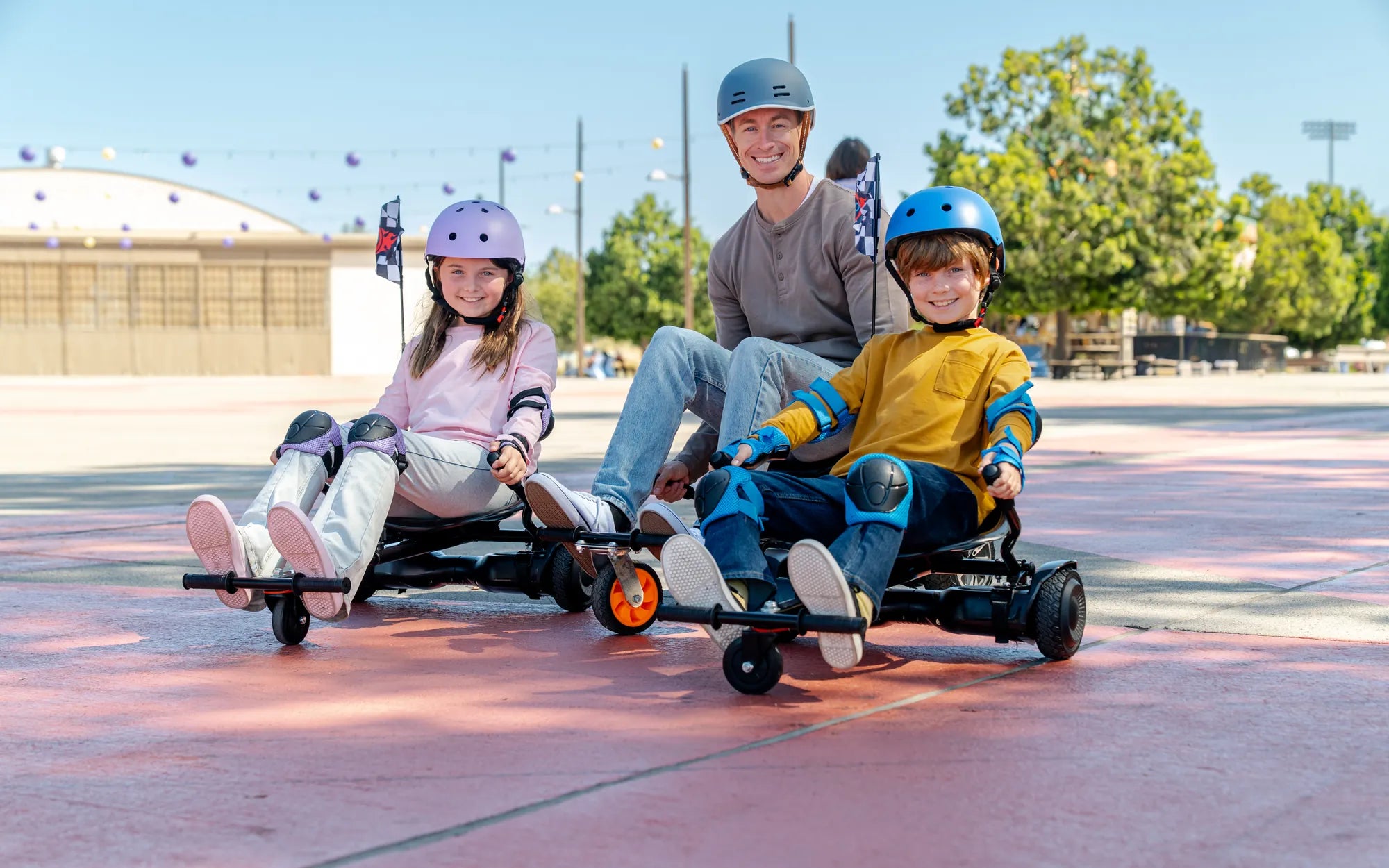
A properly fitted, CPSC-certified bicycle helmet is the absolute minimum. It should sit level on the head, snug but not tight, with the strap forming a "V" under each ear. Knee and elbow pads are crucial for protecting joints during inevitable tumbles.
Wrist guards are highly recommended, as falls often involve instinctive hands-out reactions. Closed-toe, sturdy shoes with good grip (like sneakers) are essential—never sandals or flip-flops. This gear collectively reduces injury severity and builds a child's confidence to try new skills.
Teaching Moments: A Parent's Guide to First Rides
Begin in a safe, controlled environment: a flat, smooth, car-free area like an empty parking lot or a paved driveway. Have your child first walk with the scooter, getting a feel for its weight and handling. Then, practice simply standing on the deck with both feet.
Next, introduce the glide. Have them place one foot on the deck and use the other to push gently, then lift the pushing foot and coast to feel the balance. Practice gentle turns and using the brake at slow speeds. Keep sessions short, positive, and focused on incremental progress.
Gyroor's Commitment: Engineering for Growth and Peace of Mind
Gyroor's approach to kids' mobility products is rooted in addressing core parental concerns: safety, durability, and long-term value. This is exemplified by their use of UL-certified batteries in all electric models, a standard that goes beyond basic compliance to ensure exceptional power cell safety.
The IPX5 water-resistant rating on key components means the scooter can withstand splashes and wet pavement, making it resilient for everyday play. This engineering is backed by a comprehensive 1-year warranty and accessible customer support, providing tangible peace of mind.
With a community of over 100,000 riders, Gyroor designs products that are tested for real-world use. Their focus on reliable performance means a kids learning scooter from their lineup is built not just for a season, but to support a child's developmental journey from tentative first pushes to confident cruising.
Comparison: Key Types of Kids Learning Scooters
| Type | Best For Age | Key Features | Primary Benefit | Consideration |
|---|---|---|---|---|
| 3-Wheel (Lean-to-Steer) | 2 - 5 years | Wide base, two front wheels, intuitive leaning turn | Maximum stability for absolute beginners | Outgrown once balance is mastered |
| 2-Wheel (Kick Scooter) | 5 - 12 years | Traditional handlebar steering, adjustable height, PU wheels | Develops precise balance & coordination; long-lasting | Requires more initial skill; less stable than 3-wheel |
| Electric Assist (Beginner) | 6+ years (with supervision) | UL-certified battery, speed limiters (e.g., ~5-7 mph), hand brake | Introduces powered mobility with controlled parameters | Requires strict safety rules & gear; higher cost |
Maintenance and Care for Longevity
Regular maintenance ensures safety and extends your scooter's life. Perform a quick pre-ride check: tighten any quick-release clamps or bolts, ensure the folding mechanism is locked, and check that wheels spin freely without wobble. Inspect the brake pad for wear.
Every few months, check the tightness of all screws and bolts, as vibrations can loosen them. Keep bearings clean; if wheels become gritty or stiff, they may need professional servicing. For electric models, follow charging guidelines precisely—avoid overcharging and store in a dry, temperate place.
Clean the scooter with a damp cloth; avoid high-pressure hoses which can force water into bearings or electrical components. Simple, consistent care prevents most major issues and keeps the scooter in reliable condition for years of active use.
Frequently Asked Questions (FAQs)
Q: What age is appropriate for a first scooter?
A: Children as young as 2 can start on a stable three-wheeled, lean-to-steer scooter. The key is matching the scooter's design to the child's physical development and coordination level, not just chronological age.
Q: Are scooters like Gyroor's safe in wet conditions?
A> Models with an IPX5 water-resistant rating are designed to withstand splashes and wet pavement. However, riding in the rain is not recommended. Slick surfaces reduce tire traction and braking effectiveness, increasing fall risk. Always dry the scooter after use in damp conditions.
Q: How do I maintain and care for the scooter?
A> Regular checks are essential. Tighten bolts periodically, ensure wheels are secure and spin freely, and keep the deck clean. For electric models, follow battery care instructions, avoiding extreme temperatures and not leaving it fully discharged. Store indoors in a dry place.
Q: What if my child is hesitant or afraid to start?
A> Never force it. Use positive modeling—scoot yourself. Let them decorate the scooter with stickers. Hold their hands for the first few glides on a three-wheel model. Celebrate tiny successes. The goal is to associate the scooter with fun and encouragement, not pressure.
Q: Does the warranty cover wear and tear from normal use?
A> A standard 1-year warranty, like Gyroor's, typically covers defects in materials and workmanship. It does not cover damage from accidents, misuse, or normal wear items like worn-down brake pads or tires. Always review the specific warranty terms for details.
Rolling Into a World of Confident Exploration
A well-chosen kids learning scooter is far more than a passing amusement. It is a vehicle for physical development, cognitive growth, and the building of unshakable confidence. The skills learned—balance, assessment, perseverance—are life skills.
By prioritizing safety, proper fit, and quality engineering from brands that invest in certified components and durable design, you provide your child with a tool for joyful, independent exploration. The memories created, from wobbly first pushes to confident neighborhood adventures, are priceless.
Ready to find the perfect scooter to launch your child's journey? Explore a range of thoughtfully designed, safety-focused options built for real growth. Browse the full Gyroor collection at gyroorboard.com.
Kids Scooter Hong Kong: The Ultimate Guide for Parents and Young Riders
Kids Scooter Hong Kong: The Ultimate Guide for Parents and Young Riders