



Introduction: Why a Scooter at Age 5 is a Milestone Moment
Finding the perfect kids scooter for age 5 marks a significant step in your child's development. At this age, children have typically developed the core balance, coordination, and cognitive skills necessary to safely operate a scooter. Selecting the right model isn't just about play; it's an investment in their physical confidence, motor skill refinement, and love for outdoor activity.
This guide provides parents with a data-driven framework to navigate the market. We'll move beyond marketing claims to focus on the tangible features that ensure safety, durability, and long-term enjoyment. The keyword 'kids scooter age 5' will be our central focus, ensuring you have all the information needed for this important purchase.
Riding a scooter builds leg strength, improves spatial awareness, and teaches risk assessment in a controlled way. However, parental concerns about safety, quality, and value are paramount. This ultimate guide addresses those concerns directly with factual comparisons and actionable advice.
Key Features to Look for in a 5-Year-Old's Scooter
Age labels on scooters are a starting point, not a guarantee of suitability. The right kids scooter for age 5 must possess specific engineering and design characteristics that match a child's physical capabilities and safety needs. Prioritizing these features is non-negotiable.
Look for a product that grows with your child and withstands the rigors of daily use. A poorly designed scooter can lead to frustration, accidents, and a short product lifespan. The following sections break down the critical components that separate a quality ride from a temporary toy.
Safety First: Stability and Control
The foundation of any good kids scooter for age 5 is stability. A low, wide deck provides a confident standing platform, lowering the center of gravity to prevent tipping. The deck surface should also be textured to prevent foot slippage during kicks or rides.
Steering mechanism is crucial. For beginners, traditional handlebar steering (where the front wheel is fixed and turning the bars directly changes direction) offers more predictable control. Lean-to-steer (turning by leaning) systems can be intuitive but may be less stable for first-timers.
Braking must be simple and reliable. A rear fender brake, activated by pressing down on the fender above the back wheel, is the industry standard for this age group. It allows for controlled stopping without complex hand controls. Ensure the brake engages smoothly without being too grabby.
The Perfect Fit: Adjustability and Weight
An adjustable handlebar height is essential for a kids scooter age 5. The ideal range is typically between 24 inches and 34 inches. When your child stands on the deck, the handlebars should sit between their waist and lower chest. This promotes an upright, comfortable posture for control.
Weight is a critical but often overlooked factor. A scooter must be light enough for a 5-year-old to easily maneuver, lift over curbs, and carry. However, it must not sacrifice durability. Aim for a frame constructed from aircraft-grade aluminum or reinforced composite materials, balancing strength with manageable weight.
A scooter that is too heavy can lead to fatigue and poor handling, while one that is too flimsy will break. The sweet spot is a durable frame that a child can confidently handle independently, fostering a sense of autonomy.
Built to Last: Durability and Wheels
Wheel quality directly impacts ride smoothness, grip, and durability. For a kids scooter age 5, look for high-rebound polyurethane (PU) wheels, typically 120mm to 125mm in diameter. Larger wheels roll over cracks and pebbles more easily than smaller ones.
Wheel hardness, measured in durometer (e.g., 78A), is key. Softer wheels (lower durometer) provide better grip and shock absorption on rough pavement, offering a smoother ride. Harder wheels are faster but transmit more vibration. For safety and comfort, prioritize softer wheels.
The overall build must withstand impacts. Check for reinforced steering columns, securely fastened parts with capped bolts (no sharp edges), and a general feel of solidity. Bearings should be sealed to keep out dirt and ensure wheels spin freely for longer.
The Gyroor Advantage: Engineered for Young Riders
As a leading brand trusted by over 100,000 riders, Gyroor designs its youth scooters with the precise needs of a 5-year-old in mind. The brand's philosophy integrates certified safety, thoughtful ergonomics, and robust construction, aligning perfectly with the key features outlined above.
When evaluating a kids scooter age 5, parents should seek brands that prioritize verifiable safety standards and long-term reliability. Gyroor's commitment to these principles is evident in its product specifications and customer support structure, offering a compelling choice for discerning parents.
Confidence Through Certified Safety
For electric models, battery safety is the top concern. Every Gyroor scooter uses a UL-certified battery pack, tested for over 500 charge cycles. This certification is a rigorous third-party validation of electrical and fire safety, providing critical peace of mind that goes beyond marketing claims.
Further enhancing real-world usability is an IPX5 water-resistant rating. This means the scooter can withstand water jets from any direction, making it resilient against puddles, wet pavement, or light rain. This durability feature protects the electrical components and extends the scooter's lifespan through everyday adventures.
Designed for Growth and Easy Riding
Gyroor models suitable for a kids scooter age 5 incorporate the essential features for development. Adjustable handlebars accommodate growth spurts, while wide, textured decks ensure stable footing. The wheel configurations are chosen for a balance of smooth rolling and good traction.
On electric versions, features like smooth start acceleration prevent jerky take-offs, and speed limiters allow parents to cap maximum speed (often around 7.5 mph), which is ideal for beginners. This controlled power delivery helps young riders build confidence gradually in a safe manner.
Warranty and Support You Can Trust
Investing in a scooter is investing in years of fun. Gyroor backs this investment with a comprehensive 1-year warranty, covering manufacturing defects. This warranty reflects confidence in the product's durability and quality control.
Coupled with accessible customer support, this warranty transforms a purchase from a simple transaction into a long-term partnership. Parents can buy with the assurance that help is available if needed, making a Gyroor kids scooter age 5 a responsible and reliable choice.
Kick Scooter vs. Electric Scooter: Making the Right Choice
The decision between a traditional kick scooter and an electric model is significant for a 5-year-old. Each type offers distinct benefits and suits different child personalities, skill levels, and use cases. A data-driven comparison helps clarify the best path.
Your child's prior experience, the intended riding environment, and your goals for physical activity should guide this choice. The following analysis breaks down the key differentiators to help you select the perfect kids scooter age 5 for your family's needs.
| Factor | Kick Scooter | Electric Scooter (Beginner Model) |
|---|---|---|
| Skill Prerequisite | Balance, Coordination, Leg Strength | Balance, Coordination, Throttle Control |
| Physical Effort | High (Active Play, Exercise) | Low (Focused on Steering & Control) |
| Speed & Control | Child-Paced (Self-Limited) | Parent-Controlled (Speed Limiter, ~5-7.5 mph) |
| Best For | Developing gross motor skills, park/ sidewalk play, daily physical activity | Family rides on bike paths, building confidence in powered riding, longer distances with less fatigue |
| Learning Curve | Fundamental skill building | Building on existing scooter skills; learning throttle and brake modulation |
| Average Price Range | $30 - $100 | $150 - $300 |
Recommendation: For most 5-year-olds, especially beginners, mastering a kick scooter first is highly advisable. It builds essential balance and control without the variable of power. Once proficient, transitioning to a speed-limited electric scooter like those from Gyroor can be a thrilling and safe next step.
Preparing for the First Ride: A Parent's Safety Checklist
Before the first push-off, proper preparation is the most important step for safety and a positive experience. This checklist ensures your child's introduction to their new kids scooter age 5 is both fun and secure, covering gear, environment, and fundamental skills.
A structured approach reduces anxiety for both parent and child. Treat the first few sessions as focused learning time, not just free play. This builds a foundation of safe habits that will last for years of riding enjoyment.
Essential Safety Gear (Non-Negotiable)
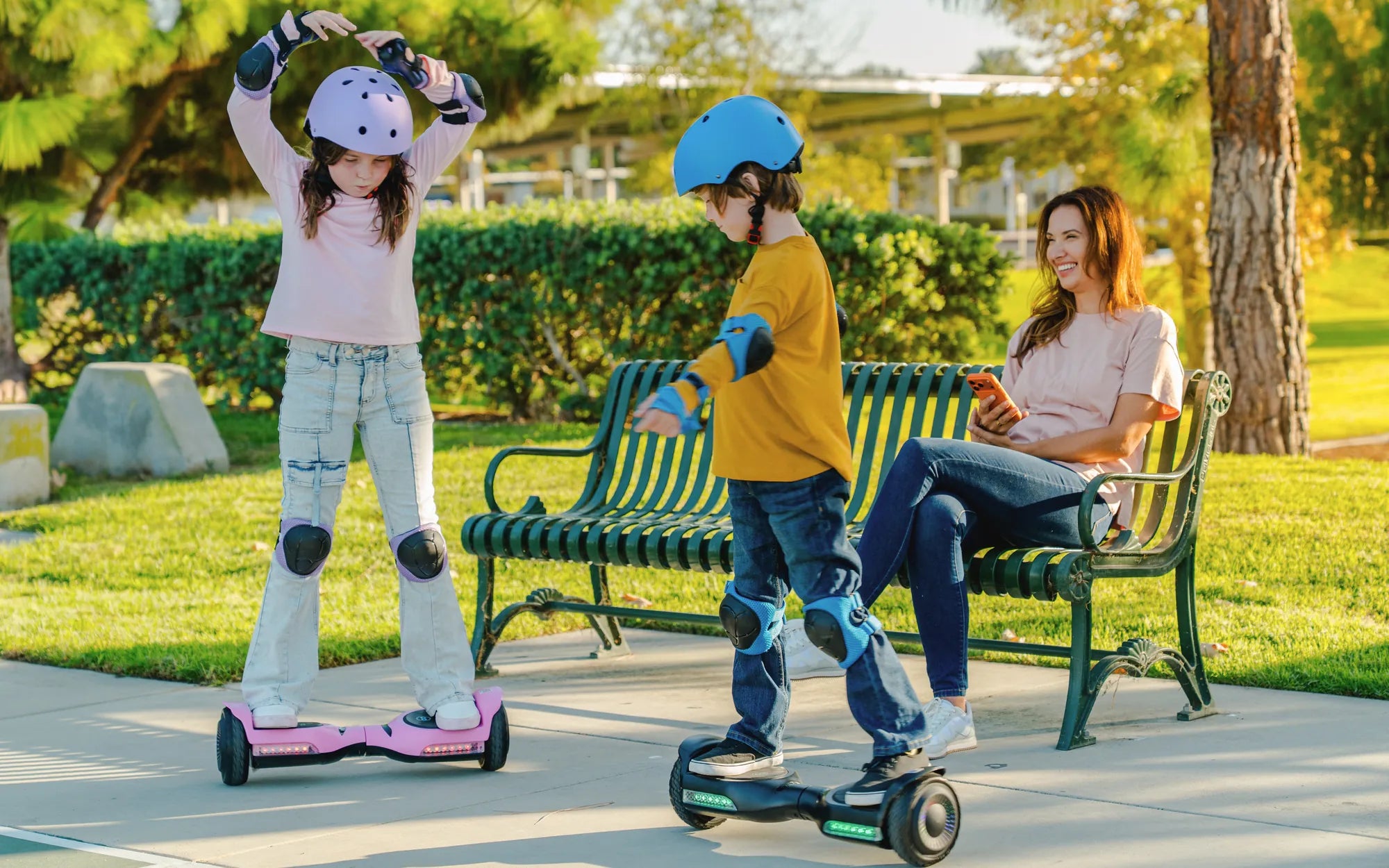
A CPSC-certified helmet is mandatory. It must fit snugly, sitting level on the head and covering the forehead. Knee pads and elbow pads are equally critical, as falls often impact these joints first. Ensure pads stay in place during movement.
Footwear is part of safety gear. Closed-toe shoes with grippy soles are required—no sandals or flip-flops. Proper gear reduces the severity of falls and makes a child feel more protected, which in turn boosts confidence to try new things.
Choosing the Practice Environment
Select a smooth, flat, paved area completely free of traffic. Ideal locations include empty tennis or basketball courts, school playgrounds on weekends, or a smooth, flat section of a driveway. The surface should be clean of gravel, sand, and wet leaves.
Avoid areas with slopes, even slight ones, for initial practice. Also avoid crowded parks or sidewalks where the child might feel pressured or distracted. A controlled, predictable environment allows for focused skill development.
Teaching the Basics: Stance, Braking, and Falling
Start with the proper stance: dominant foot firmly on the deck, toes pointing forward, with the other foot used for kicking. Have them practice simply standing and balancing on the scooter without moving, holding the handlebars correctly.
Before any real riding, teach braking. Have them walk the scooter and practice pressing the rear fender brake until stopping becomes instinctive. Finally, teach a safe "dismount": if they lose balance, encourage them to step off to the side and let the scooter go, rather than trying to hold on and fall with it.
Frequently Asked Questions (FAQs)
Q: What is the appropriate scooter height for a 5-year-old?
A: When the child stands on the deck, the handlebars should be between their waist and lower chest height (roughly 24" to 34" from the ground). This allows for a slight bend in the elbows for optimal control and comfort. Adjustable handlebars are key to maintaining this fit as they grow.
Q: Are electric scooters safe for a 5-year-old?
A: Yes, but with critical conditions. The child should first master a kick scooter to demonstrate balance and control. The electric scooter must have a speed limiter (max 7.5 mph), smooth acceleration, and a reliable brake. Its use must always be under direct adult supervision in safe, controlled environments.
Q: How do I maintain my child's scooter?
A> Perform a quick pre-ride check: ensure all bolts (especially on the handlebar clamp and wheels) are tight, confirm the brake engages properly, and check that wheels spin freely. Regularly clean the deck and wheels with a damp cloth. For electric models, follow charging instructions and store in a dry place.
Q: What if my 5-year-old is hesitant or scared?
A> Never force it. Keep sessions short (5-10 minutes) and positive. Start with a "scooter walk"—just walking beside it while holding the handlebars. Use plenty of encouragement and celebrate small successes. Sometimes, watching other children ride can help. The goal is positive association, not immediate proficiency.
Q: How long will a scooter last for my 5-year-old?
A> A quality scooter with adjustable handlebars can typically last 2-4 years, depending on the child's growth and the scooter's durability. Models with a wider height adjustment range offer more longevity. Investing in a robustly built scooter ensures it remains safe and functional throughout this period.
Conclusion: Investing in Adventure and Development
Choosing the right kids scooter for age 5 is a decision that extends far beyond a simple toy purchase. It's an investment in your child's physical development, confidence, and the simple joy of outdoor adventure. By prioritizing certified safety features, proper fit, and durable construction, you lay the groundwork for countless hours of healthy, active fun.
Brands like Gyroor, with their UL-certified batteries, IPX5 water resistance, and thoughtful designs for young riders, provide a trusted solution that aligns with these priorities. The comprehensive warranty and support further ensure this investment is protected. Whether you choose a kick scooter to build foundational skills or a speed-limited electric model for family adventures, the right choice empowers your child.
Equip them with the proper safety gear, choose a safe practice environment, and celebrate their progress. The journey with their first real scooter is one you'll both remember. Ready to find the perfect scooter that combines safety, durability, and fun for your young explorer? Browse the full Gyroor collection at gyroorboard.com to discover models engineered to support every milestone.
Christmas Gift Baskets for Teen Girls: The Ultimate Guide to Thoughtful Presents
Cool Christmas Gift Ideas for Girls: Unique and Thoughtful Presents