

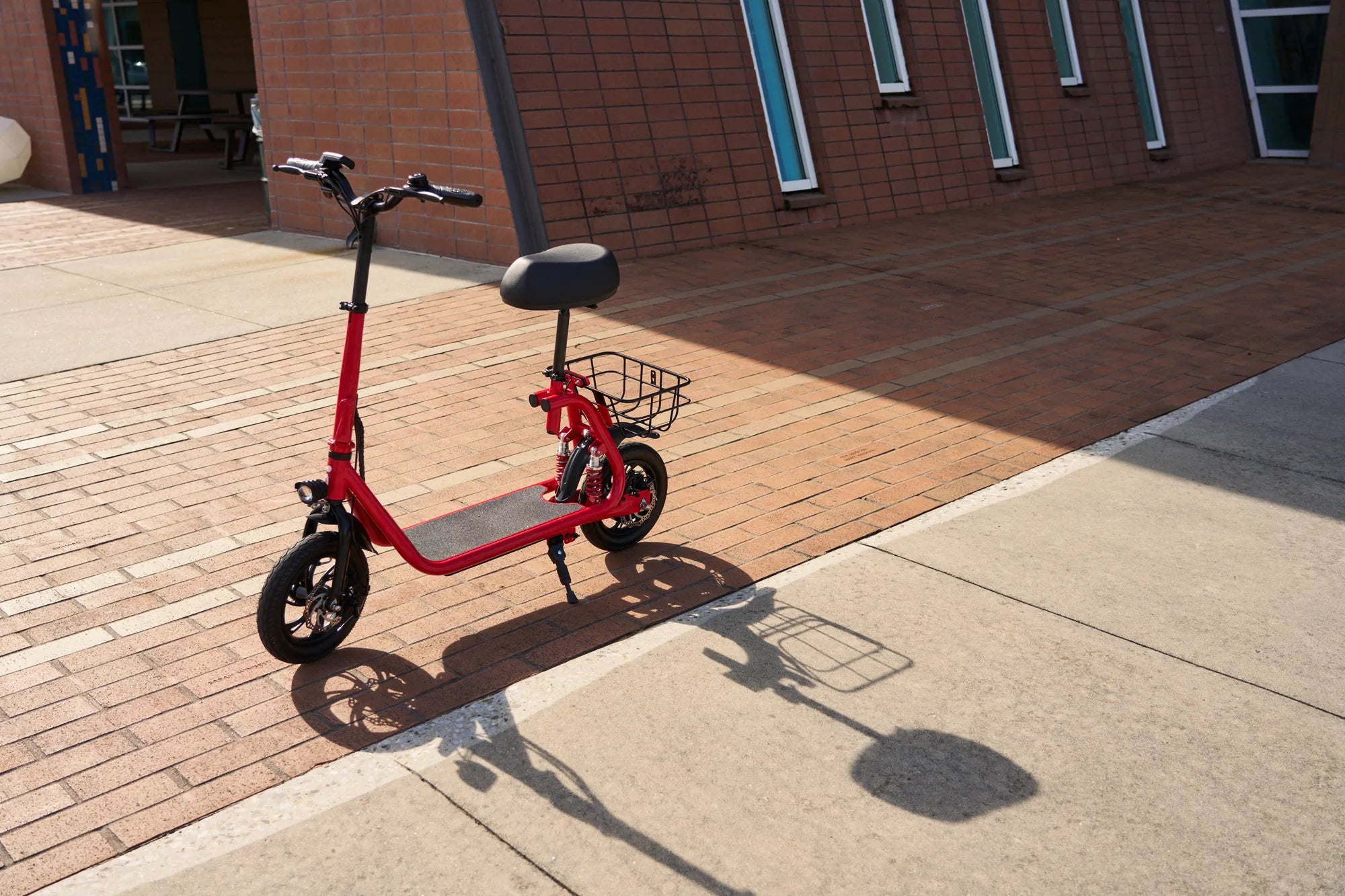
The electric scooter revolution in India is gaining momentum like never before. With rising fuel prices, increasing environmental awareness, and supportive government policies, more Indians are turning to electric scooters as their preferred mode of transport. This article dives deep into the latest news, trends, and developments shaping the electric scooter landscape in India.
Government Policies and Incentives
The Indian government has been actively promoting electric mobility through various initiatives. The Faster Adoption and Manufacturing of Electric Vehicles (FAME) scheme, now in its second phase, offers subsidies to buyers of electric scooters. Additionally, several states have introduced their own incentives, such as reduced road tax and registration fees, to encourage the adoption of electric vehicles (EVs).
Recent updates suggest that the government is considering further tax benefits and infrastructure investments to boost the EV ecosystem. Charging stations are being set up across major cities, and battery-swapping policies are under discussion to address range anxiety among consumers.
Market Trends and Consumer Preferences
The electric scooter market in India has witnessed exponential growth over the past year. Sales figures indicate a significant shift toward eco-friendly alternatives, with urban commuters leading the charge. Affordable pricing, low maintenance costs, and rising fuel prices are key factors driving this trend.
Manufacturers are also focusing on innovative features such as longer battery life, faster charging, and smart connectivity options to attract tech-savvy consumers. The demand for high-speed electric scooters with enhanced safety features is on the rise, reflecting changing consumer preferences.
Technological Advancements
Battery technology is at the heart of the electric scooter revolution. Recent advancements in lithium-ion batteries have led to improved efficiency, longer ranges, and reduced charging times. Some companies are even experimenting with solid-state batteries, which promise higher energy density and better safety.
Another notable development is the integration of IoT (Internet of Things) in electric scooters. Riders can now monitor battery status, track their vehicle's location, and receive maintenance alerts through smartphone apps. These innovations are making electric scooters more user-friendly and reliable.
Challenges and Roadblocks
Despite the rapid growth, the electric scooter industry in India faces several challenges. The lack of a robust charging infrastructure remains a major concern, especially in smaller towns and rural areas. Battery disposal and recycling also pose environmental risks if not managed properly.
Moreover, the high upfront cost of electric scooters, compared to their petrol counterparts, continues to deter some buyers. However, with government subsidies and declining battery prices, this gap is expected to narrow in the coming years.
Future Outlook
The future of electric scooters in India looks promising. Industry experts predict that by 2030, electric scooters could account for a significant share of the two-wheeler market. Continued government support, technological innovations, and growing consumer awareness will play a crucial role in this transition.
As more players enter the market, competition is likely to intensify, leading to better products and lower prices. The focus will also shift toward sustainable manufacturing practices and renewable energy integration to further reduce the carbon footprint of electric scooters.
Ready to join the electric revolution? The latest news on electric scooters in India suggests that now is the perfect time to make the switch. With cutting-edge technology, attractive incentives, and a greener future in sight, there's never been a better opportunity to embrace eco-friendly mobility.
SmartTravel Electric Bike: The Future of Eco-Friendly Commuting
SmartTravel Electric Bike: The Future of Eco-Friendly Commuting