

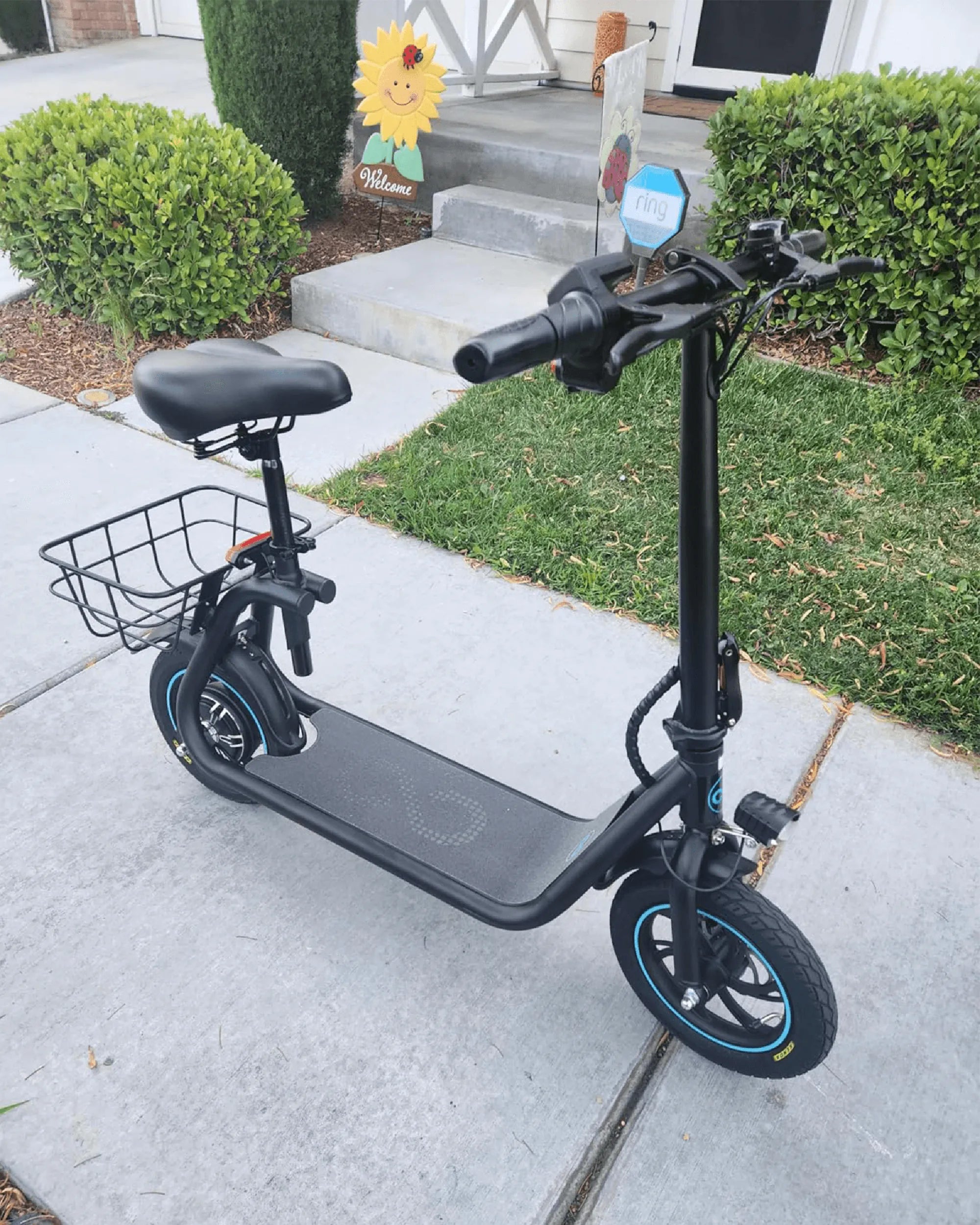
Introduction: The Unsung Hero of Your Ride – Lightweight Bike Tubes
Your bike's inner tube is a critical performance component, not just an air bladder. Upgrading to lightweight bike tubes is one of the most cost-effective modifications for enhancing ride quality, responsiveness, and efficiency. This guide will explain the science behind tube weight, compare advanced materials, and provide actionable selection advice.
You will learn how reducing rotational mass impacts acceleration, why material choice affects rolling resistance, and how to choose the perfect tube for your urban commute or performance ride. We'll connect these principles to the needs of modern riders, including those on Gyroor e-bikes and scooters, where every watt of efficiency counts.
Understanding Bike Tube Fundamentals: More Than Just Air
A bike inner tube is a toroidal balloon that sits inside the tire, holding air pressure to maintain tire shape and provide cushioning. Its core specifications are valve type, size, and material. The two primary valve types are Schrader (auto-style) and Presta (slimmer, threaded).
Tube size must match your tire's dimensions, typically denoted by wheel diameter (e.g., 26", 700c) and tire width (e.g., 28mm, 2.1"). The ETRTO (ISO) standard, like 37-622, provides the most precise fit guidance. Using the correct size is non-negotiable for safety and performance.
For decades, standard butyl rubber has been the default material, offering good air retention and durability at a reasonable weight. However, the quest for performance has driven innovation toward lighter alternatives like lightweight butyl, latex, and Thermoplastic Polyurethane (TPU).
The Weight Equation: Where Grams Make a Difference
Reducing weight on rotating components—wheels, tires, and tubes—has a magnified effect on performance. This is known as reducing unsprung rotational mass. Lighter components require less energy to accelerate and decelerate.
The effect is most noticeable during stop-and-go city riding and steep climbs. A set of lightweight bike tubes can save 100-200 grams per wheel compared to standard tubes. This translates to a more responsive, "lively" feel, with quicker acceleration from traffic lights and less drag on hills.
For e-bike and e-scooter riders, reducing rotational weight can marginally improve battery efficiency and handling agility. While the motor provides assistance, a lighter rolling chassis allows the system to work more effectively, preserving range and enhancing the natural ride dynamic.
Material Science: From Butyl to Latex and TPU
Standard Butyl Rubber is the benchmark. It's inexpensive, holds air well (loses 1-2 PSI per day), and is easily repairable. A standard 700c x 28mm tube weighs ~130g. Its main drawback is weight and higher rolling resistance compared to advanced materials.
Lightweight Butyl tubes use thinner gauge rubber. They shave 20-40% off the weight (down to ~80g for the same size) but may sacrifice some puncture resistance and air retention. They offer a solid middle ground for weight-conscious riders not ready for latex or TPU.
Latex Tubes are made from natural rubber. They are exceptionally light (~60g) and supple, offering the lowest rolling resistance for a "fast" feel. However, they are porous, losing 10+ PSI overnight, requiring daily inflation. They are also less puncture-resistant and more difficult to install without pinching.
Thermoplastic Polyurethane (TPU) tubes are the high-tech option. They are incredibly light (~35g), pack down tiny, and have excellent air retention—nearly matching butyl. Their rolling resistance is between butyl and latex. Early TPU tubes had durability concerns, but modern versions are robust, though often treated as high-performance, reliable semi-disposables rather than repairable items.
The Gyroor Rider's Guide: Selecting the Right Lightweight Tube
Choosing the optimal lightweight bike tubes depends on your primary use case. Gyroor's commitment to reliable, performance-oriented urban mobility extends to component choice. The right tube balances weight savings with the durability demands of your riding environment.
For the Urban Commuter: Balancing Weight and Durability
City riders face potholes, curbs, and road debris. Durability and reliability are paramount. For these riders, lightweight butyl tubes are often the ideal choice. They provide a noticeable weight saving over standard tubes while maintaining robust puncture resistance and familiar air retention.
Some modern TPU tubes designed for endurance also fit this category well. Look for models marketed with enhanced puncture protection. The minimal weight and excellent packability of TPU also make them a superb choice for a compact roadside spare.
Avoid latex tubes for hassle-free commuting. The need for daily inflation and their susceptibility to pinch flats during rough urban installs makes them impractical for most daily riders. The marginal speed gain is not worth the maintenance overhead.
For the Performance Enthusiast: Chasing Every Gram
Riders focused on speed, efficiency, and competition will prioritize minimal weight and low rolling resistance. Here, latex tubes are the traditional gold standard, offering a perceptibly "faster," more supple ride feel that many racers swear by.
High-end TPU tubes are a compelling modern alternative. They match or beat latex in weight, offer far superior air retention, and have competitive rolling resistance. For a time trial, crit, or fast group ride where pre-race inflation is predictable, latex shines. For all-around performance with less fuss, premium TPU is increasingly popular.
The trade-off is cost and reparability. Both latex and TPU tubes are significantly more expensive than butyl and are often not designed to be patched. For the performance seeker, this is an accepted cost of chasing marginal gains.
Compatibility Check: Ensuring a Perfect Fit for Your Gyroor E-Bike/Scooter
Correct fit is critical for safety and performance. An undersized tube will be overstretched and prone to failure; an oversized tube will crease and cause a weak spot. Always match the tube to your tire's ETRTO/ISO size, found on the sidewall.
Valve type must match your rim's valve hole. Presta valves are common on performance bikes and many Gyroor e-bikes. Schrader valves are typical on mountain bikes and some scooters. Using a Presta tube in a Schrader rim requires a grommet adapter to prevent rim damage.
For e-bikes and e-scooters, also consider the increased stresses from higher weight and speed. Ensure your chosen lightweight tube is rated for the pressure range of your tire and is compatible with any tire sealant systems you may use. A proper fit is the foundation of a safe upgrade.
Beyond the Scale: Performance Data and Real-World Trade-Offs
Understanding the quantitative and qualitative differences between tube types is key to an informed decision. The following table summarizes the core characteristics.
| Tube Material | Avg. Weight (700x28c) | Air Retention | Rolling Resistance | Puncture Resistance | Repairability | Best Use Case |
|---|---|---|---|---|---|---|
| Standard Butyl | ~130g | Excellent (1-2 PSI/day loss) | Baseline (Higher) | Very Good | Excellent | Recreational, Budget-Conscious |
| Lightweight Butyl | ~80-100g | Good (2-5 PSI/day loss) | Moderate Improvement | Good | Excellent | Urban Commuting, Touring |
| Latex | ~55-65g | Poor (10+ PSI/day loss) | Best (Lowest) | Fair | Difficult | Road Racing, Performance |
| TPU | ~30-40g | Excellent (1-3 PSI/day loss) | Very Good (Near Latex) | Good (Varies by model) | Poor/Not Recommended | Performance, Weight-Weenie, Premium Spare |
The Puncture Resistance Paradox
A common myth is that lighter always means more fragile. Material technology has blurred these lines. While latex is inherently less puncture-resistant, modern TPU compounds can be engineered for surprising toughness, often exceeding the cut resistance of thin butyl.
The tube is only one part of the puncture protection system. A high-quality tire with a robust casing and puncture belt is the first line of defense. For ultimate flat protection, especially in urban environments, consider adding a tire sealant.
Sealants work well in standard butyl and lightweight butyl tubes. Compatibility with latex is mixed (some sealants coagulate natural rubber), and most TPU tubes are not designed for liquid sealants. Always check manufacturer guidelines. For Gyroor riders navigating city streets, a quality tire paired with a lightweight butyl tube offers the best balance.
Installation and Maintenance: Getting the Most from Your Upgrade
Proper installation is crucial to avoid pinch flats ("snake bites"). Ensure the tire is fully seated on one side of the rim. Inflate the tube slightly to give it shape, insert it into the tire, and then work the second tire bead onto the rim using your hands, finishing with tire levers if necessary. Avoid pinching the tube between the tire lever and the rim.
Maintenance varies by material. For latex and some lightweight butyl tubes, check pressure before every ride. For TPU and standard butyl, check weekly. Use a quality pressure gauge; don't rely on feel. Consistent pressure ensures optimal performance, ride quality, and flat prevention.
Carry an appropriate spare or patch kit. For butyl tubes, a traditional patch kit is perfect. For TPU or latex, carry a spare tube. The compact size of a folded TPU spare is a major advantage. Remember, the goal of lightweight bike tubes is to enhance your ride, not leave you stranded.
Why Rotational Weight Matters on Electric Rides
Some riders question optimizing tube weight on an e-bike or e-scooter with a motor. The benefits remain significant. The motor assists your input, but it still must overcome inertia and rolling resistance. Lighter rotational mass makes the entire system—rider and motor—more efficient.
The handling benefit is perhaps more profound. A lighter wheel assembly changes direction more easily, improving the agility and "flickability" of your Gyroor e-bike or scooter in traffic or on winding paths. This enhances safety and the fun factor.
While the absolute impact on battery range might be small (a few percentage points at most), every efficiency gain contributes to the reliable, predictable performance that brands like Gyroor, with their UL-certified batteries and robust designs, are built to deliver. It's about optimizing the complete system.
Cost Analysis: Value vs. Investment in Lightweight Tubes
Lightweight bike tubes represent a spectrum of value. Standard butyl tubes are the clear winner in pure cost-per-mile. Lightweight butyl offers a moderate price increase for a tangible performance gain, representing strong value for most riders.
Latex and TPU tubes are premium products. Their cost is 5-10x that of a standard tube. The value proposition is entirely tied to your performance goals. For a racer, the marginal gain is worth the investment. For a commuter, it may not be.
Consider longevity. A standard butyl tube, if not punctured, can last years. Latex tubes degrade faster from ozone and moisture exposure. TPU longevity is still being proven but appears excellent. Factor in your flat history and willingness to perform maintenance when assessing true cost.
Conclusion: A Simple Upgrade for a Tangible Difference
Upgrading to lightweight bike tubes is a proven, accessible way to enhance your ride. The choice ultimately hinges on your primary use case: prioritize durability and value with lightweight butyl for commuting, or pursue maximum performance with latex or TPU for competition and fast recreation.
Always start with the fundamentals: ensure perfect size and valve compatibility, invest in quality tires, and master proper installation technique. This upgrade, while simple, exemplifies the attention to detail that improves any machine, from a lightweight road bike to a powerful Gyroor e-bike engineered for urban mastery.
Ready to fine-tune your ride's performance and feel? Explore components and accessories that complement a high-performance mindset. Browse the full Gyroor collection at gyroorboard.com to see how reliable engineering forms the foundation for every upgrade.
Frequently Asked Questions (FAQ)
Q: Are latex tubes worth it for everyday use?
A: For most everyday commuters, no. The requirement for near-daily inflation and their increased susceptibility to pinch flats and punctures makes them a high-maintenance choice. The performance benefit is outweighed by the hassle for routine urban transportation.
Q: Can I use a lightweight tube with any tire?
A: You must match the tube size (ETRTO) and valve type to your tire and rim. Additionally, the tire casing should be in good condition with no internal abrasions or protruding threads that could chafe a thinner tube. Compatibility is about more than just diameter.
Q: How much faster will lightweight tubes make me?
A: The speed gain is subtle, often measured in seconds over an hour, not minutes. The more noticeable effect is on acceleration and climbing feel—your bike will feel "snappier" and more responsive. It's a perceptual and handling upgrade as much as a pure speed one.
Q: Are TPU tubes repairable like standard butyl tubes?
A: Generally, no. Most TPU tube manufacturers do not recommend repair with standard vulcanizing patches or glues. The material doesn't bond well with traditional patch kits. They are designed as high-performance, reliable, but ultimately replaceable components. Some brands offer specific repair solutions; always follow their guidance.
Q: Why should I consider tube weight when my e-bike has a motor?
A: The motor assists your power, but it still must overcome the inertia of the rotating wheels. Lighter wheels and tubes improve acceleration, handling agility, and braking responsiveness. This makes the bike more fun and easier to maneuver. There is also a marginal improvement in overall system efficiency, which can contribute to slightly extended battery range.
Q: Do I need special rim tape for lightweight tubes?
A: It is highly recommended. Ensure your rim bed is smooth and protected by a high-quality, non-porous rim tape. Sharp spoke holes or rough edges can abrade or puncture thin lightweight tubes, especially latex and TPU. This is a critical, low-cost preparatory step often overlooked.
200cc Scooter for Sale Near Me: The Ultimate Local Buying Guide
200cc Scooter for Sale Near Me: The Ultimate Local Buying Guide