



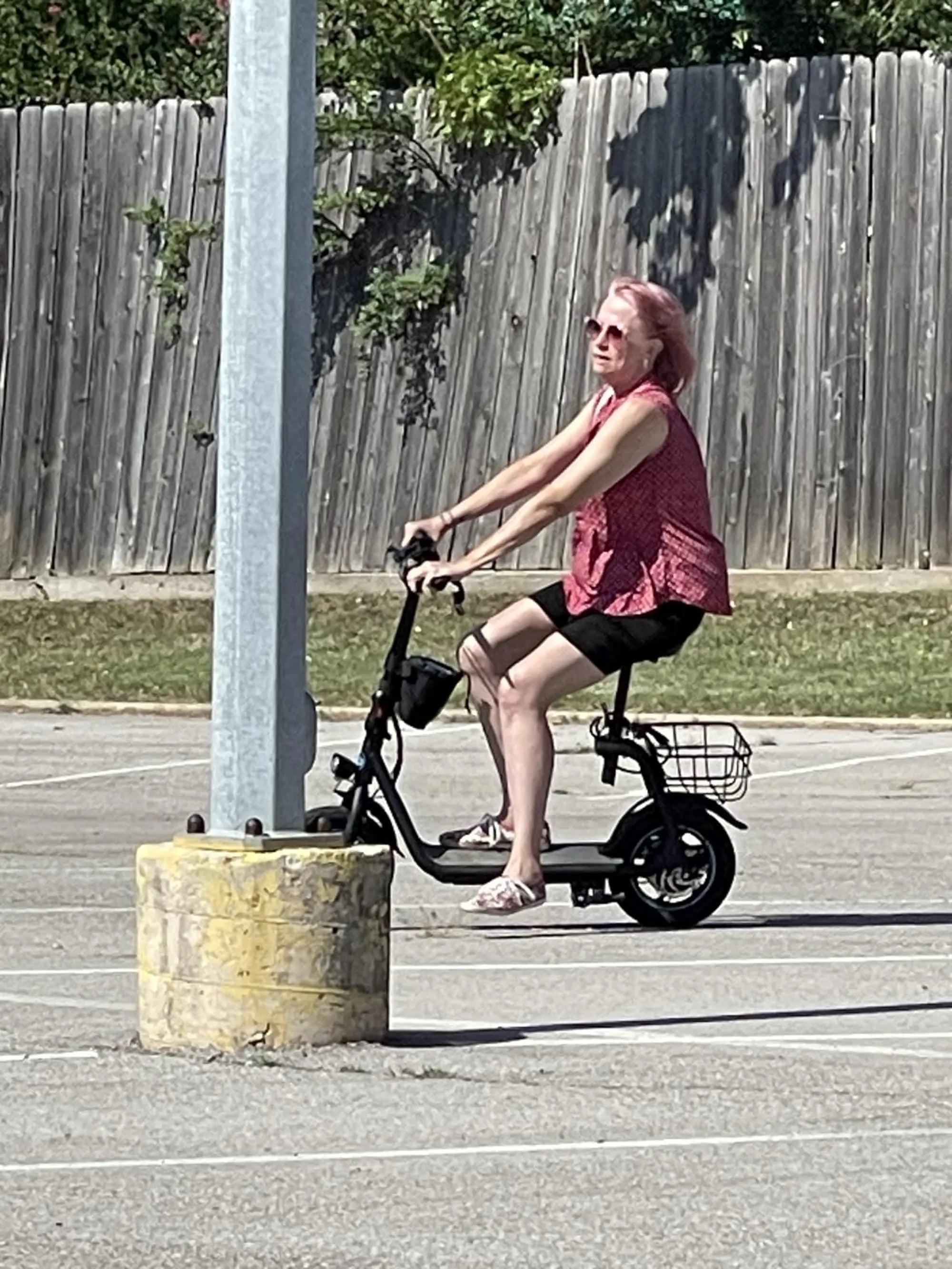
Urban gridlock is no longer an unavoidable reality. A quiet revolution is unfolding on city streets and bike lanes, driven by a simple, elegant solution: the lightweight electric scooter. These compact vehicles are fundamentally reshaping how we navigate the first and last miles of our journeys, offering a practical, efficient, and sustainable alternative to cars and crowded public transit. This article will provide a comprehensive, data-driven analysis of lightweight electric scooters, exploring their defining characteristics, tangible benefits, and the engineering that makes them viable for daily use. You will learn how to select the right model based on your commute, understand critical safety and regulatory frameworks, and discover why this category represents a cornerstone of future urban mobility. Lightweight electric scooters: the future of urban mobility is not just a slogan—it's an observable trend backed by rider adoption and technological advancement.
What Defines a "Lightweight" Electric Scooter?
The term "lightweight" is more than a marketing buzzword; it's a specific classification with practical implications. In the electric scooter market, a model is generally considered lightweight if it weighs approximately 30 pounds (13.6 kilograms) or less. This benchmark is crucial because it represents the threshold where a scooter transitions from being merely portable to being genuinely easy to carry for most adults—up a flight of stairs, onto a bus, or under a desk.
The achievement of this low weight is a direct result of advanced materials and design philosophy. Manufacturers utilize high-strength, low-weight materials like aerospace-grade aluminum alloys for the frame and deck. Some premium models incorporate even lighter magnesium alloys or carbon fiber components. The engineering focus is on creating a rigid, safe structure without unnecessary mass, prioritizing the core commuting experience over extreme power or oversized batteries.
This classification directly influences the target rider and use case. Lightweight electric scooters are engineered for the urban commuter, the student on campus, or the suburbanite connecting to a train station. They are designed for relatively short, frequent trips—typically between 3 to 10 miles—where their convenience and portability outweigh the need for long-distance capability. The demographic is broad, appealing to anyone seeking to reduce their commute time, cost, and carbon footprint without sacrificing physical convenience.
Key Features of Modern Lightweight Models
Today's lightweight electric scooters are sophisticated machines defined by a specific set of components that balance performance with portability. The motor is typically a hub motor located in one or both wheels, with power ratings ranging from 250W to 500W. This provides adequate torque for urban acceleration and the ability to tackle moderate inclines, while keeping the overall system weight and complexity down.
Battery technology is the heart of the system. Lightweight models use high-density lithium-ion battery packs, often with cells from reputable manufacturers, arranged in compact configurations. A typical capacity ranges from 5Ah to 10Ah (around 150Wh to 300Wh), which dictates the realistic range. Smart Battery Management Systems (BMS) are critical for safety, preventing overcharge, over-discharge, and managing cell health.
Modern features extend beyond the drivetrain. Many models now include integrated LED displays showing speed, battery level, and riding mode. App connectivity via Bluetooth allows for firmware updates, ride tracking, and customizing performance settings. Practical features like regenerative braking help recapture small amounts of energy, while efficient folding mechanisms—often with a single latch or lever—are paramount for the category's core value proposition.
The Tangible Benefits: Why Lightweight Wins in the City
The advantages of a lightweight electric scooter extend far beyond simple portability. The primary benefit is seamless multi-modal integration. A sub-30-pound scooter can be effortlessly carried onto a bus or subway train, folded and stored under a desk or in a classroom cubby, or tossed into a car trunk for the last leg of a trip. This solves the "last-mile problem" that public transportation often leaves unresolved, creating a truly door-to-door solution.
From a personal perspective, the benefits are quantifiable. Commuters save significant money by reducing fuel, parking, and ride-share costs. They save time by bypassing traffic congestion and often taking more direct routes via bike lanes. There's also a reduction in physical and mental strain compared to driving in heavy traffic or waiting for delayed transit. The ability to make short trips without starting a car is profoundly liberating and efficient.
For the urban ecosystem, the impact is positive. Lightweight e-scooters reduce traffic congestion, lower carbon emissions, and decrease noise pollution. Their small physical footprint means less space is required for parking compared to cars. Furthermore, their lower power and speed profiles often align better with municipal regulations for micro-mobility devices, making them a more compliant and sustainable choice for shared urban spaces.
Data-Driven Comparison: Lightweight vs. Standard E-Scooters
Choosing between a lightweight and a standard or performance scooter depends entirely on use case. The following table highlights the key differences, demonstrating that lightweight models prioritize agility and convenience, while standard models favor extended range and higher performance.
| Feature | Lightweight Electric Scooter | Standard/Performance Scooter |
|---|---|---|
| Typical Weight | 22 - 30 lbs (10 - 13.6 kg) | 35 - 65+ lbs (16 - 30+ kg) |
| Real-World Range | 10 - 18 miles | 20 - 40+ miles |
| Max Speed | 15 - 18 mph | 20 - 40+ mph |
| Motor Power | 250W - 500W | 500W - 1000W+ |
| Charge Time | 3 - 5 hours | 5 - 8 hours |
| Folded Dimensions | Compact (e.g., 42" x 7" x 15") | Bulky, often long or tall |
| Primary Use Case | Last-mile commute, multi-modal transit, campus travel | Long-distance commuting, recreational riding, off-road use |
| Portability | Easy to carry for extended periods | Difficult to carry; often wheeled when folded |
As the data shows, the lightweight electric scooter is a tool optimized for a specific job: efficient, convenient urban mobility. It sacrifices top speed and marathon range for the critical attribute of easy portability, which is non-negotiable for commuters who must carry their vehicle for part of their journey.
Choosing Your Ride: A Buyer's Guide for the Urban Commuter
Selecting the right lightweight electric scooter requires a clear assessment of your personal needs. Start with your commute distance. Take your one-way distance and add a 20-30% buffer to the scooter's advertised range to account for real-world variables like hills, wind, rider weight, and battery degradation over time. If your round-trip is 10 miles, look for a model with a 15-mile minimum rated range.
Next, evaluate weight capacity and curb weight Build quality and warranty are your insurance policy for daily use. Inspect the construction: are welds clean? Is the stem secure with minimal wobble? Do the brakes feel responsive? A reputable brand will offer a clear warranty, typically covering the frame, motor, and battery for a defined period. This support is invaluable, as the scooter will endure regular vibration and wear. Never compromise on fundamental safety components like reliable brakes (electronic and/or mechanical) and effective lighting. In a market filled with options, Gyroor's approach to lightweight electric scooters is defined by a commitment to safety, durability, and rider trust—key concerns for daily urban commuters. This is exemplified in their use of UL-certified battery packs across their lineup. For a device stored in apartments and offices, this certification is not a minor detail; it's a critical safety standard that ensures the battery has passed rigorous tests for electrical, mechanical, and environmental safety, reducing risk in dense urban living environments. Urban commuting means encountering puddles, rain, and road spray. Gyroor designs its lightweight scooters with an IPX5 water-resistance rating. This engineering specification means the scooter's electrical components can withstand low-pressure water jets from any direction, making it a reliable choice for all-weather riding, not just fair-weather trips. This durability is backed by a straightforward 1-year comprehensive warranty, providing peace of mind for a product designed for daily reliance. With a customer base of over 100,000 riders in North America and Europe, Gyroor's focus on reliable performance is data-driven. Their lightweight models balance motor power (often in the 350W range) with battery capacity to deliver a realistic 12-15 mile range, all while keeping the total package weight under 30 pounds. This careful engineering ensures the scooter remains truly portable without sacrificing the essential performance needed for a practical commute. Responsible riding is paramount for the long-term acceptance of lightweight electric scooters in cities. First, understand your local regulations. Laws vary significantly by city, state, and country. Key questions to answer: Are e-scooters legal on roads, bike lanes, or sidewalks? What is the minimum age? Is a helmet required by law (and if not, it should be by common sense)? Always err on the side of caution and legality. Safety gear is non-negotiable. A properly fitted bicycle or multi-impact helmet is the most important piece of equipment. Consider additional protection like knee and elbow pads, especially when learning. High-visibility clothing or accessories are recommended for night riding. Ensure your scooter has a bright front headlight, rear brake light, and side reflectors. Riding etiquette ensures harmony with other road and path users. Ride in bike lanes where available. On shared paths, slow down when passing pedestrians and announce your presence politely. Never ride on sidewalks in busy pedestrian areas. Obey all traffic signals and signs as you would on a bicycle. Signal your turns using hand signals. Your behavior as a rider directly impacts public perception and the development of supportive infrastructure. Finally, practice proper parking. Do not block sidewalks, ramps, building entrances, or access points. Use designated bike parking areas when possible. A key advantage of a lightweight model is that you can often simply fold it and take it with you, eliminating the parking dilemma entirely and securing your investment from theft. Regular maintenance is simple but essential for ensuring the longevity and safety of your lightweight electric scooter. Start with tire pressure; keep pneumatic tires inflated to the manufacturer's recommended PSI (usually found on the tire sidewall). This improves range, ride comfort, and prevents pinch flats. Check pressure weekly. Conduct a pre-ride safety check. Ensure the folding mechanism is fully locked and the stem is secure. Test the brakes for responsiveness. Verify that front and rear lights are functioning. Listen for any unusual noises from the motor or wheels. Keep the deck clean of debris and periodically check all nuts and bolts for tightness, especially after riding on rough surfaces. Battery care is the most important aspect of long-term health. Avoid consistently draining the battery to 0%. Try to recharge when it drops to 20-30%. Similarly, avoid leaving it constantly plugged in at 100% for days on end. For long-term storage (over a month), store the scooter with the battery at about a 50% charge in a cool, dry place. Use only the manufacturer-provided charger to prevent damage. Q: What's the real-world range I can expect, and what affects it? Q: How do I maintain the battery for maximum longevity? Q: Are lightweight electric scooters safe to ride in the rain? Q: Can they handle hills? Q: What does the IPX5 water-resistant rating truly mean for my commute? The evidence is compelling: lightweight electric scooters are more than a passing trend; they are a logical, efficient, and sustainable adaptation to the challenges of modern urban life. By offering a unique combination of portability, practicality, and performance, they solve tangible problems for millions of commuters. The choice to adopt one is an investment with measurable returns: time saved in traffic, money saved on transport costs, a reduction in personal carbon footprint, and the reintroduction of enjoyment and freedom into the daily commute. The future of urban mobility is multimodal, flexible, and user-centric. Lightweight electric scooters sit at the heart of this future, seamlessly bridging the gaps in our transportation networks. As cities continue to evolve and prioritize people over cars, these devices will play an increasingly vital role. The key for riders is to choose wisely—prioritizing safety certifications like UL for batteries, durability ratings like IPX5 for all-weather reliability, and the support of a trustworthy warranty. Ready to transform your commute? Explore engineering designed for the real world. Browse the full Gyroor collection at gyroorboard.com to find a lightweight electric scooter that matches your urban lifestyle, backed by the safety and reliability standards that make daily riding a true pleasure.Why Gyroor's Engineering Excels in the Lightweight Category
Safety, Regulations, and Riding Etiquette in Urban Spaces
Maximizing Your Investment: Maintenance and Care
FAQ: Your Lightweight Electric Scooter Questions Answered
A: Real-world range is typically 20-30% less than the manufacturer's ideal test conditions. Key factors that reduce range include: rider weight, uphill terrain, frequent stops and starts, cold weather (below 50°F/10°C), under-inflated tires, and riding at top speed constantly. For accuracy, base your expectations on the lower end of the advertised range.
A> Follow the "20-80" rule when possible: avoid discharging below 20% and charging above 80% for daily use. Store the scooter in a temperate environment, avoiding extreme heat or cold. Allow the battery to cool down for 30 minutes after a long ride before charging. Use only the original charger. A well-maintained lithium-ion battery should retain good capacity for 2-3 years of regular use.
A> Safety depends on the scooter's water resistance rating. A rating of IPX5, like those on Gyroor models, means it is protected against sustained, low-pressure water spray. This makes it safe for riding in light rain and through puddles. However, no consumer scooter is fully waterproof. Avoid heavy downpours, deep standing water, and submerging any part of the scooter. Always ride more cautiously in wet conditions as braking distances increase and traction decreases.
A> Lightweight scooters with motors in the 350W-500W range can handle moderate hills, typically with a grade of up to 10-15%. The rider's weight is a major factor. On steeper hills, speed will decrease significantly. If your commute includes substantial hills, prioritize a model with a higher wattage motor (500W+) and consider one with dual motors for better hill-climbing torque.
A> The IP (Ingress Protection) rating has two digits. The first digit (X here, meaning not rated for solids) is for dust. The second digit (5) is for liquids. An IPX5 rating certifies that the scooter can withstand water projected by a nozzle (6.3mm) from any direction at 30 kPa pressure for at least 3 minutes. In practical terms, this protects against rain, road spray, and accidental splashes, making the scooter suitable for daily commuting in most weather conditions you'd willingly ride in. It is not suitable for riding through floods or during torrential storms.Embracing a Lighter, Smarter Commute
3 Wheel Electric Scooters: The Future of Urban Mobility
Electric Scooters for Elderly: A Safe Mobility Solution for Independence