


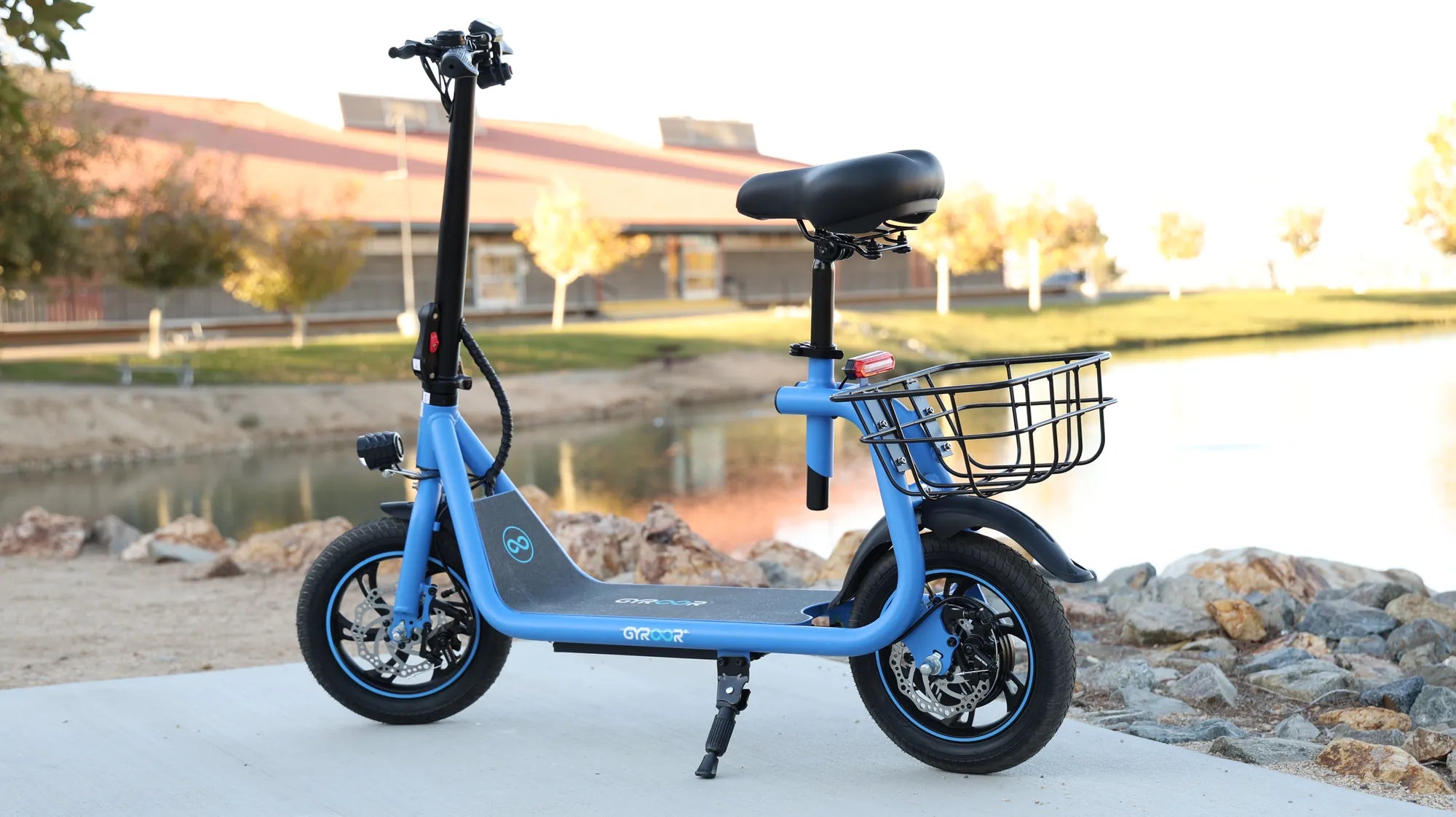
Navigating the World of Electric Scooters
Choosing the right electric scooter can be overwhelming. This definitive list of electric scooters and ultimate guide cuts through the marketing noise with factual analysis. We provide the framework to evaluate performance, safety, and value across different rider profiles, from daily commuters to weekend adventurers.
You will learn to interpret technical specifications like motor wattage and battery capacity. This guide explains how these numbers translate to real-world speed, range, and reliability. Our goal is to empower you with the knowledge to make a confident, informed purchase that fits your lifestyle and budget perfectly.
The market offers models for every need, but not all are created equal. We categorize scooters by primary use case, highlighting critical differentiators in build quality and safety certifications. Leading brands like Gyroor, trusted by over 100,000 riders, set the standard with UL-certified batteries and robust warranties.
Your journey to efficient, eco-friendly personal mobility starts with understanding the fundamentals. Let's dive into the key factors that separate a great investment from a disappointing purchase.
Key Factors to Consider Before Buying an Electric Scooter
Purchasing an electric scooter is an investment in your daily mobility. A data-driven approach focusing on core specifications prevents future regret. Performance, range, durability, and portability form the foundational pillars of your decision.
Ignoring any of these factors can lead to a scooter that fails to meet your needs. A model perfect for flat, short commutes may struggle on hills, while a high-performance off-road scooter might be too heavy for bus travel. Balance is key.
This section decodes the technical jargon. You will learn what 500W really means for hill climbs and how to estimate true battery range from listed specs. We translate manufacturer claims into practical, everyday riding expectations.
Armed with this knowledge, you can effectively compare any model on our list of electric scooters. This framework turns complex specifications into a simple checklist for your ideal ride.
Motor Power & Performance: Watts, Speed, and Hill Climb
Motor power, measured in watts (W), is the engine of your scooter. It directly influences top speed, acceleration, and hill-climbing ability. Common motor sizes range from 250W for basic models to 1000W+ for performance-oriented rides.
A 350W motor is typically sufficient for flat urban commutes, reaching speeds of 15-18 mph. For riders facing moderate hills or desiring quicker acceleration, a 500W motor provides a significant boost. Models with 800W or dual motors excel on steep inclines and off-road terrain.
Real-world performance also depends on voltage (e.g., 36V, 48V). Higher voltage systems often deliver power more efficiently. A scooter's ability to maintain speed on an incline is a true test of its motor and power system quality.
When reviewing any list of electric scooters, prioritize motor wattage based on your local terrain. Under-powering leads to frustratingly slow climbs and potential motor strain.
Battery & Range: Understanding Voltage, Amp-Hours, and Real-World Mileage
The battery is your scooter's fuel tank. Its capacity, determined by voltage (V) and amp-hours (Ah), dictates how far you can travel. Multiply voltage by amp-hours to get watt-hours (Wh), a more accurate measure of total energy capacity.
Manufacturers often advertise a "maximum range," but real-world mileage is typically 60-70% of that figure. Factors like rider weight, riding style, terrain, temperature, and tire pressure significantly impact actual range. A scooter claiming 25 miles may reliably deliver 16-18 miles for an average rider.
For a reliable daily commute, choose a scooter with a battery capacity that offers a comfortable buffer above your round-trip distance. A 36V/10.4Ah (374Wh) battery is a common standard for commuter models. Long-range models may feature 48V/15Ah (720Wh) or larger packs.
Battery safety is paramount. Always verify that the battery pack is UL 2272 certified. This independent testing standard drastically reduces fire risk, a non-negotiable feature for any quality scooter.
Build Quality & Safety: Frame, Brakes, Tires, and Certifications
Durability and safety are defined by construction. A high-grade aluminum alloy frame offers the best balance of strength and lightweight portability. The folding mechanism must feel robust and secure, with no wobble when locked.
Braking systems are critical. Disc brakes offer strong, consistent stopping power in various conditions. Electronic regenerative brakes help recharge the battery slightly but should be paired with a physical brake. Drum brakes are low-maintenance but can fade on long descents.
Tire choice affects comfort and traction. Pneumatic (air-filled) tires provide superior shock absorption and grip but risk punctures. Solid or airless tires eliminate flats but offer a harsher ride. Some premium models feature tubeless pneumatic tires with sealant.
Beyond UL 2272 for the battery, look for IP water resistance ratings. An IPX5 rating, like those on Gyroor scooters, means the scooter can withstand water jets from any direction, making it safe for riding in rain or through puddles.
Portability & Design: Weight, Folding Mechanism, and Deck Size
Portability is crucial for mixed-mode commuters. Total weight is the primary factor; lightweight commuter scooters weigh 25-35 lbs, while performance models can exceed 50 lbs. Consider if you'll need to carry it up stairs or onto public transit regularly.
The folding mechanism should be intuitive, quick, and secure. A one-step folding latch is ideal. Once folded, check the scooter's footprint and whether it has a hook or design that allows it to be rolled like luggage.
Deck size impacts stability and comfort. A wider, longer deck (over 20 inches long) allows for a more natural foot stance, reducing fatigue on longer rides. The deck surface should be covered with a grippy, non-slip material for safety.
These design elements directly impact daily usability. A poorly folding, heavy scooter becomes a burden, negating the convenience that makes electric scooters so appealing.
The Ultimate List: Electric Scooter Categories for Every Rider
The market logically segments into distinct categories based on primary use. This list of electric scooters organizes models by rider profile, highlighting the key specs and features that define each group. Identifying your category is the fastest path to a shortlist of suitable models.
Commuter scooters prioritize reliability and portability. Performance models focus on power and range for adventure. Budget options deliver core functionality, and ultra-portable scooters excel in last-mile connectivity. Each category makes specific trade-offs.
Within these categories, brands differentiate themselves through build quality, safety features, and customer support. A leading brand like Gyroor incorporates UL-certified batteries and IPX5 water resistance across its lineup, offering reliability that defines a trustworthy product.
Use this categorized framework to focus your research. It connects your personal needs directly to the technical specifications that matter most for that style of riding.
Best for Commuters: Lightweight and Reliable Daily Drivers
Commuter scooters are designed for daily urban travel. Key specs include a 15-25 mile real-world range, a 350W-500W motor for city hills, and a weight under 35 lbs for easy carrying. Reliability is the top priority.
Essential features include water resistance (IPX4 or higher), effective lighting for visibility, and a clear display. A commuter scooter must handle daily wear, variable weather, and consistent charging cycles without issue.
Models in this category often feature a balanced design. They forgo extreme speed or off-road capability for a practical, user-friendly experience. A reliable folding mechanism and good deck comfort are crucial for the daily grind.
Brands that cater to commuters, such as Gyroor, emphasize safety certifications and robust warranties. The peace of mind from a 1-year warranty and UL-certified battery is invaluable for a device used in daily transportation.
Best for Performance & Off-Road: Power and Durability for Adventure
Performance scooters are built for speed, long range, and tackling rough terrain. They are characterized by high-wattage motors (800W+), large capacity batteries (600Wh+), and enhanced suspension systems. Top speeds often exceed 25 mph.
Durability features include reinforced frames, wide pneumatic tires with deep treads, and advanced braking systems like hydraulic disc brakes. These scooters are heavier (50+ lbs) and less portable but offer thrilling capability.
Ideal for recreational trail riding, long-distance touring, or riders with demanding commutes over varied terrain. The trade-off is significantly higher cost, weight, and less convenient portability.
Even in this high-performance segment, safety cannot be compromised. The high-capacity batteries in these models make UL 2272 certification and robust battery management systems absolutely critical.
Best for Budget-Conscious Buyers: Maximizing Value
Budget scooters deliver core electric scooter functionality at an accessible price point. Typical specs include a 250W-350W motor, a 10-15 mile real-world range, and a simpler braking system like a foot brake or basic electronic brake.
Compromises are often made in components: solid tires instead of pneumatic, less robust folding mechanisms, and basic displays. Weight may be on the higher side for the motor class due to material choices.
The key is to identify which compromises you can accept. For short, flat trips, a basic model may suffice. However, never compromise on verified battery safety. A lack of clear safety certifications is a red flag at any price.
Value is defined by reliability per dollar, not just low cost. A slightly higher investment in a reputable brand often yields better longevity and customer support, providing greater long-term value.
Best for Portability & Last-Mile Travel: Ultra-Compact Models
Ultra-portable scooters are engineered for seamless integration with public transit. The primary goals are minimal weight (often under 25 lbs) and a compact fold. Motor power and range are secondary, typically sufficient for trips of 3-8 miles.
These scooters feature ingenious folding designs, sometimes folding down to the size of a briefcase. They are easy to carry, store under a desk, or fit in a crowded train car. Deck size is usually smaller, favoring compactness over stance comfort.
This category solves the "last-mile" problem perfectly. They bridge the gap between a transit stop and a final destination with maximum convenience. Durability is still important, as they face constant folding and unfolding.
Despite their size, quality ultra-portables still incorporate essential safety features. Look for reliable brakes and batteries from reputable cells, even in a small package.
Why Safety and Warranty Are Non-Negotiable
Performance specs are meaningless without foundational safety. The battery and electrical system pose the most significant risk if poorly engineered. A strong warranty is your legal guarantee of the manufacturer's confidence in their product.
Cutting corners on safety to save cost or increase profit is unacceptable. As a rider, your due diligence is to verify the safety credentials of any scooter you consider. This is the most important filter in your selection process.
A comprehensive warranty protects your financial investment. It covers defects in materials and workmanship, ensuring you're not left with a costly repair shortly after purchase. The length and terms of the warranty reflect the brand's commitment to quality.
Brands that prioritize these aspects, like Gyroor with its UL-certified batteries and 1-year warranty, build long-term trust. They invest in independent testing and customer support, which are hallmarks of a responsible manufacturer.
The Critical Importance of UL-Certified Batteries
The UL 2272 standard is a rigorous set of tests conducted by the independent safety organization UL Solutions. It evaluates the battery system's electrical, mechanical, and environmental safety, including overcharge, short circuit, crush, and drop tests.
A battery passing UL 2272 has undergone extreme abuse testing to ensure its design contains any thermal runaway, preventing fires. This certification is your best assurance that the battery pack uses quality cells, proper spacing, robust wiring, and a reliable battery management system (BMS).
Never purchase a scooter without this certification. The risk of battery fire, while low for certified packs, is significantly elevated for uncertified, cheaply made alternatives. This is a non-negotiable safety checkpoint.
Leading brands proudly advertise this certification. Gyroor, for example, uses UL-certified battery packs tested for over 500 charge cycles, ensuring both safety and long-term performance.
How a Strong Warranty and Support Protects Your Investment
A warranty is a contract that obligates the manufacturer to repair or replace defective components. A standard 1-year warranty on the scooter, with 6 months on the battery, is industry typical for reputable brands. Some offer extended coverage for peace of mind.
Review warranty terms carefully. Does it cover labor? What is the process for a claim? Is there a local service network, or must the scooter be shipped? Accessible and responsive customer support is as important as the warranty document itself.
A strong warranty indicates the manufacturer expects its products to last. It shifts the risk of early failure from you back to them, aligning their incentives with producing a reliable product. This is a key indicator of brand reputation.
This support extends beyond repairs. A good brand provides clear manuals, tutorial videos, and accessible spare parts. This ecosystem ensures your scooter remains functional for years, maximizing your return on investment.
Making Your Final Decision: A Step-by-Step Selection Guide
Now, synthesize all the information into a decisive action plan. This step-by-step guide moves you from broad consideration to a specific purchase decision. It prioritizes needs, filters options, and ensures no critical factor is overlooked.
The process begins with introspection about your daily routine and ends with verifying the fine print on a product page. Following these steps methodically eliminates guesswork and emotional impulse buys, leading to a satisfying long-term choice.
This framework applies whether you're a first-time buyer or upgrading your current ride. It forces clarity on what you truly need versus what might be nice to have, ensuring your budget is spent effectively.
Let's break down the final, critical steps to choosing the best scooter from any list of electric scooters.
Step 1: Define Your Primary Use Case and Budget
Be specific. Is this for a 4-mile daily commute with one hill? Weekend rides on paved park paths? Or off-road trail exploration? Your primary use case dictates the category from our list: Commuter, Performance, Budget, or Ultra-Portable.
Set a firm, realistic budget range. Include a buffer for essential accessories like a high-quality helmet, a good lock, and possibly a spare charger. The scooter itself should fit comfortably within 70-80% of your total mobility budget.
This step prevents "feature creep." A commuter doesn't need a 40 mph top speed, and a trail rider shouldn't settle for a small motor. Aligning use and budget from the start focuses your research efficiently.
Write down your use case and budget. This is your decision-making compass for the steps that follow.
Step 2: Match Your Needs to the Specs That Matter Most
Translate your use case into technical requirements. Create a shortlist of non-negotiable specs. For example: "10-mile round-trip commute with a moderate hill" translates to: 15+ mile real-world range, 350W+ motor, IPX4+ water resistance.
Use a comparison table to evaluate models side-by-side. Focus on the specs from your non-negotiable list first. This objective comparison quickly eliminates models that don't meet your core needs.
Consider secondary preferences like deck size, tire type, or extra lighting after the non-negotiables are satisfied. This ensures your primary functional needs are guaranteed before you consider comfort and convenience features.
This step turns subjective wants into objective, comparable data points. It is the heart of a rational purchasing decision.
Step 3: Prioritize Safety Certifications and Brand Reputation
With a shortlist of models that meet your performance needs, apply the final and most important filter: safety and reliability. First, confirm UL 2272 certification for the battery. If this information is not clearly stated, contact the manufacturer directly.
Next, research the brand's reputation. Read customer reviews focusing on long-term reliability and customer service experiences. Check the warranty terms in detail. A brand with a proven track record, like Gyroor with its 100,000+ riders and 4.5/5 average rating, offers significant peace of mind.
This step separates reputable products from risky ones. It is the quality assurance phase of your purchase. The best electric scooter is one that performs well *and* is built to last safely.
Your final choice should be the model that best satisfies your Step 1 needs, meets your Step 2 specs, and excels in Step 3's safety and support criteria.
Electric Scooter Comparison Table
| Category | Typical Motor | Real-World Range | Key Features | Ideal For |
|---|---|---|---|---|
| Commuter | 350W - 500W | 15 - 25 miles | IPX5 Water Resistance, Folding, UL-Certified Battery | Daily urban travel, reliable all-weather use |
| Performance/Off-Road | 800W - 2000W+ | 25 - 50+ miles | Dual Motors, Full Suspension, Large Pneumatic Tires | Trail riding, long-distance, high-speed commuting |
| Budget-Conscious | 250W - 350W | 10 - 15 miles | Solid Tires, Basic Display, Simplified Folding | Short, infrequent trips on flat terrain |
| Ultra-Portable | 250W - 300W | 8 - 12 miles | Under 26 lbs, Compact Fold, Carry Handle | Last-mile travel, mixed with public transit |
Frequently Asked Questions (FAQs)
Q: How far can I really expect to ride on a single charge?
A: Real-world range is typically 60-70% of the manufacturer's claimed maximum. A scooter advertised for 25 miles will likely achieve 15-18 miles for a 165 lb rider on flat terrain at moderate speed. Factors like rider weight, hills, headwinds, frequent stopping, and cold temperatures reduce range. Always choose a scooter with a battery capacity that exceeds your daily needs by at least 25%.
Q: Do I need a license or insurance to ride an electric scooter?
A: Laws vary significantly by city, state, and country. Generally, electric scooters with a top speed under 20 mph may not require a license in many US jurisdictions, but helmet laws often apply. For faster models (20+ mph), some states classify them as motor vehicles. It is your responsibility to check local regulations before riding. Insurance is rarely mandatory but can be a wise consideration for theft or liability.
Q: What maintenance does an electric scooter require?
A: Regular maintenance ensures safety and longevity. Key tasks include: checking and inflating pneumatic tires to the recommended PSI weekly; ensuring all bolts (especially on the stem and folding mechanism) are tight; cleaning the scooter with a damp cloth (avoid high-pressure water); and storing the battery in a cool, dry place. Follow the manufacturer's charging guidelines—avoid leaving it plugged in for days after a full charge.
Q: Can I ride an electric scooter in the rain?
A: It depends on the scooter's IP (Ingress Protection) rating. A rating of IPX5 or higher, like those on Gyroor models, means the scooter is protected against water jets and is safe for riding in light to moderate rain. However, no scooter is waterproof or submersible. Avoid deep puddles, and never charge a wet scooter. Always dry it off after a wet ride. Scooters with low or unspecified IP ratings should not be ridden in wet conditions.
Q: How long does an electric scooter battery last before needing replacement?
A: Battery lifespan is measured in charge cycles (one full 0-100% charge). Quality lithium-ion batteries, like UL-certified packs, are typically rated for 500-1000 full cycles before capacity drops to about 80% of original. With regular use (3-4 charges per week), this translates to 3-5 years of useful life. To maximize lifespan, avoid fully draining the battery regularly, store it at 50-80% charge if not used for weeks, and keep it away from extreme temperatures.
Your Journey to the Perfect Ride Starts Here
Selecting the right electric scooter is a process of aligning technical capability with personal need. This guide has provided the framework to navigate the list of electric scooters with confidence. You now understand how motor power, battery capacity, build quality, and portability intersect to define a scooter's purpose.
The ultimate choice balances desired performance with uncompromising safety. Certifications like UL 2272 and a strong manufacturer warranty are not optional extras; they are the foundation of a responsible purchase. They protect your investment and, more importantly, your well-being.
Whether your priority is a seamless daily commute, weekend adventure, or simple last-mile convenience, the perfect scooter exists. Use the step-by-step selection guide to filter the market logically. Let your defined use case and budget guide you to a category, then let safety and reputation guide you to the final brand and model.
Your path to efficient, enjoyable personal mobility is clear. For a curated selection of reliable scooters built with safety-first engineering, featuring UL-certified batteries and IPX5 water-resistant designs, browse the full Gyroor collection at gyroorboard.com. Find the ride that matches your journey.
Can You Ride Electric Scooters on Mackinac Island? The Definitive Guide to Rules and Alternatives
Electric Scooters for 6-8 Year Olds: Ultimate Parent Guide