



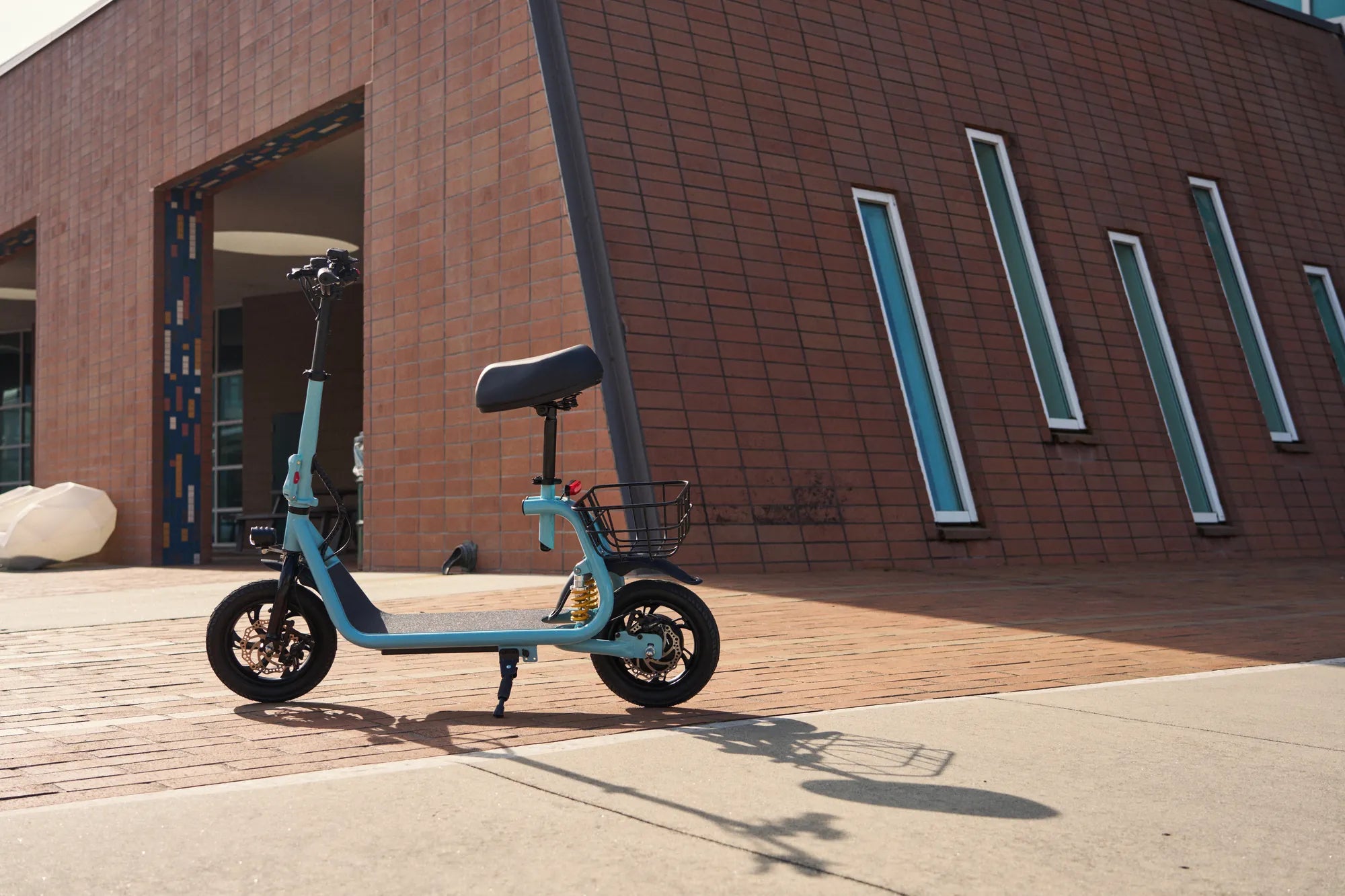
Electric scooters have become a popular mode of transportation, offering convenience, eco-friendliness, and affordability. But what exactly makes up an electric scooter? Whether you're a rider, a potential buyer, or just curious, understanding the main parts of an electric scooter can help you make informed decisions and maintain your ride effectively.
1. Motor
The motor is the heart of an electric scooter, responsible for converting electrical energy into mechanical motion. Most scooters use either a hub motor (located in the wheel) or a chain-driven motor. Hub motors are quieter and require less maintenance, while chain-driven motors offer more torque for uphill climbs.
2. Battery
The battery powers the motor and determines the scooter's range and performance. Lithium-ion batteries are the most common due to their lightweight design and long lifespan. Battery capacity, measured in watt-hours (Wh), affects how far you can travel on a single charge.
3. Controller
The controller acts as the brain of the scooter, regulating power flow from the battery to the motor. It ensures smooth acceleration, braking, and speed control. A high-quality controller improves efficiency and extends the lifespan of other components.
4. Frame
The frame provides structural support and determines the scooter's durability and weight. Materials like aluminum alloy are popular for their balance of strength and lightness. Folding frames add portability, making them ideal for commuters.
5. Wheels and Tires
Wheels and tires impact ride comfort and stability. Air-filled (pneumatic) tires offer better shock absorption, while solid tires eliminate the risk of punctures. Wheel size also affects handling—larger wheels provide a smoother ride over rough terrain.
6. Braking System
Safety depends on a reliable braking system. Common types include disc brakes, drum brakes, and regenerative brakes (which recharge the battery during braking). Some scooters combine multiple systems for optimal stopping power.
7. Throttle and Display
The throttle controls speed, usually via a twist-grip or thumb lever. The display shows essential information like speed, battery level, and riding mode. Advanced models may include Bluetooth connectivity for smartphone integration.
8. Suspension
Suspension systems absorb shocks from uneven surfaces, enhancing comfort. Spring-based or hydraulic suspensions are common, with higher-end models featuring adjustable settings for different terrains.
9. Lights and Reflectors
Front and rear lights ensure visibility in low-light conditions, while reflectors improve safety. Some scooters also feature brake lights and turn signals for added road awareness.
10. Deck and Kickstand
The deck is the standing platform, often made of anti-slip materials for stability. A sturdy kickstand allows the scooter to stand upright when parked.
Now that you know the main parts of an electric scooter, you can appreciate the engineering behind these efficient machines. Whether you're troubleshooting an issue or shopping for your next ride, this knowledge will keep you rolling smoothly and safely.
Getting Into Mountain Biking: A Beginner's Guide to Thrills and Skills
Big Wheel Electric Scooter in India: The Future of Urban Mobility