



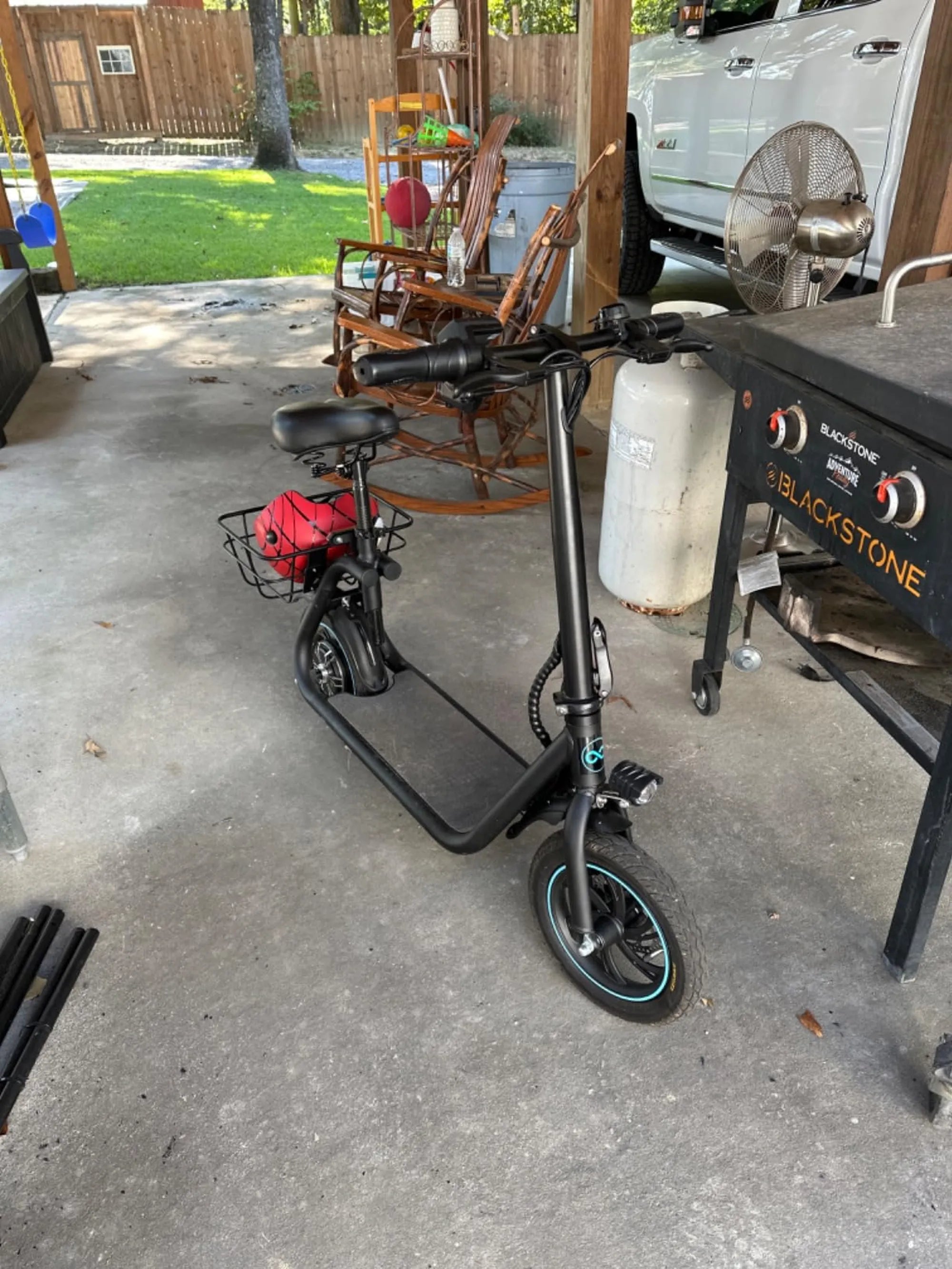
Introduction to Micro Scooter Parts: The Essential Guide for Owners
Understanding micro scooter parts is fundamental to maintaining safety, ensuring peak performance, and extending the lifespan of your electric ride. These components form the intricate system that transforms electrical energy into motion and control. For owners of brands like Gyroor, knowing these parts empowers you to perform basic upkeep, make informed upgrade decisions, and communicate effectively with support teams. This guide will dissect every critical component, providing a data-driven look at their functions, lifespans, and replacement protocols.
We will explore the core systems that make up your scooter: the drive, control, structural, and safety assemblies. You'll learn to identify wear patterns on high-use items like tires and brake pads. We'll also analyze the strategic choice between OEM and aftermarket parts, with a focus on compatibility and safety certifications. By the end, you'll have a comprehensive manual to keep your scooter running smoothly for thousands of miles. Knowledge of these parts is your first line of defense against premature failure and unexpected repair costs.
Understanding the Core Components of Your Electric Scooter
Every electric scooter is an integration of four primary systems working in unison. The drive system generates motion, the control system dictates speed and direction, the structural system supports the rider, and the safety system protects during operation. A failure in any single system can compromise the entire ride. Brands like Gyroor engineer these systems with specific tolerances and material qualities to meet performance and durability benchmarks, which is why part compatibility is crucial.
For instance, a scooter's maximum speed and range are direct results of the drive system's specifications. Its hill-climbing ability is tied to motor torque and battery discharge rates. The feeling of stability at high speed is a product of the frame geometry and wheelbase. By understanding the role of each micro scooter part within these systems, you move from being just a rider to an informed owner capable of proactive maintenance. This foundational knowledge is essential before delving into specific part replacements or upgrades.
The Drive System: Motor, Battery, and Controller
The drive system is the heart of your electric scooter, consisting of three interlinked components: the motor, the battery, and the controller. The motor, typically a brushless DC hub motor integrated into the front or rear wheel, converts electrical energy into rotational force. Motor power, measured in watts (e.g., 350W, 500W), directly influences acceleration and gradeability. A higher wattage motor, like those in Gyroor's performance models, provides more torque for tackling inclines.
The battery supplies this energy. Most modern scooters use lithium-ion battery packs, with their quality being paramount for safety and longevity. Gyroor utilizes UL-certified battery packs tested for over 500 charge cycles, which helps ensure stable voltage output and reduces risks associated with thermal runaway. Battery capacity, measured in watt-hours (Wh), determines your scooter's potential range. The electronic controller acts as the brain, regulating power flow from the battery to the motor based on throttle input, implementing safety cut-offs, and managing regenerative braking if equipped.
The Control System: Handlebars, Throttle, and Brakes
Your direct interface with the scooter is the control system. This includes the handlebar stem, folding mechanism, throttle, and brakes. The handlebar stem must provide a rigid, wobble-free connection to the front fork for precise steering. The folding mechanism, a critical micro scooter part for portability, requires robust latches and locking pins to maintain structural integrity when unfolded.
The throttle, usually a thumb lever or push-button, sends variable signals to the controller. Brakes are the most critical safety component within this system. Common types include disc brakes (offering strong, modulated stopping power), drum brakes (lower maintenance, enclosed design), and electronic regenerative brakes. Many scooters, including several Gyroor models, use a dual-brake system (e.g., disc + electronic) for redundant safety. The responsiveness and reliability of these controls are non-negotiable for safe urban navigation.
The Structural System: Deck, Frame, and Fork
The structural system forms the scooter's chassis, bearing all static and dynamic loads. The deck is the standing platform, often made from reinforced aluminum alloy. Its width, length, and surface grip tape directly impact rider comfort and stability. The frame is the main backbone, connecting the deck to the steering column and rear wheel. Its design dictates the scooter's weight capacity and overall rigidity.
A well-engineered frame, like those on Gyroor scooters, uses strategic welding and gusseting to handle impacts and vibrations. The front fork connects the front wheel to the handlebar stem. It may be a simple rigid fork or include a spring or hydraulic suspension to absorb road imperfections. The integrity of these structural micro scooter parts is vital; hairline cracks or stress fractures can lead to catastrophic failure. Regular visual inspections of welds and joints are a key maintenance habit.
The Rolling & Safety System: Wheels, Tires, and Lights
This system governs contact with the road and visibility. Wheels consist of a hub (which may house the motor), spokes or a solid design, and the tire. Bearings within the hub ensure smooth rotation. Tire choice significantly affects ride quality: pneumatic (air-filled) tires offer better shock absorption and traction, while solid (airless) tires eliminate the risk of flats but provide a harsher ride.
Lighting is a crucial, often overlooked, safety micro scooter part. A bright headlight illuminates the path, while a brake light alerts traffic behind you when slowing. Many jurisdictions legally require these lights for night riding. Reflectors on the sides and wheels provide passive visibility. Gyroor models often feature IPX5 water-resistant designs for their electrical components, including lights, ensuring functionality in damp conditions. Proper tire pressure and functional lighting are the simplest, most effective daily safety checks.
When and Why to Replace Common Micro Scooter Parts
Proactive replacement of worn micro scooter parts prevents breakdowns and maintains safety margins. Wear rates depend on riding style, terrain, load, and maintenance. A data-driven approach, rather than a fixed timeline, is best. For example, a rider covering 20 miles daily on rough pavement will need part replacements far more frequently than a weekend user on smooth bike paths. Monitoring your scooter for specific symptoms allows you to replace parts just before they fail.
Ignoring wear indicators can lead to more expensive repairs. Worn brake pads can damage rotors. A failing battery can strain the motor and controller. Riding on bald tires drastically increases stopping distances and the risk of skidding. Keeping a simple log of mileage and periodic inspections can help you predict service needs. Sourcing genuine replacement parts, such as Gyroor OEM components, ensures the new part meets the original design specifications for performance and safety.
High-Wear Items: Tires, Brake Pads, and Grips
Tires, brake pads, and handlebar grips are consumable items. For pneumatic tires, check tread depth and look for cracks, bulges, or embedded debris. Most scooter tires have wear bars; when the tread is flush with these bars, replacement is due. Solid tires wear more slowly but can develop flat spots or harden over time, reducing grip.
Brake pads should be inspected monthly. For disc brakes, pad material thickness below 1-2mm requires immediate replacement. For drum brakes, listen for metal-on-metal grinding, which indicates the pads are fully worn. Handlebar grips can become loose, torn, or slippery. Worn grips compromise control, especially in wet conditions. These are among the most accessible micro scooter parts for DIY replacement, offering a quick win for safety and comfort.
Performance & Safety-Critical Parts: Batteries and Brake Cables
Battery and brake cable failures pose direct safety risks. A lithium-ion battery's capacity degrades with each charge cycle. Symptoms of a failing battery include a significantly reduced range (e.g., less than 70% of original), sudden power drops under load, or the battery not holding a full charge. Using a non-certified replacement battery risks fire hazard and can damage the scooter's electronics.
Brake cables, used in mechanical brake systems, can fray or stretch over time. Fraying often occurs near lever or caliper connection points. A stretched cable increases brake lever travel before engagement, reducing braking effectiveness. Any sign of cable strand breakage warrants immediate replacement. For these critical micro scooter parts, opting for Gyroor's OEM replacements ensures they are tested to work seamlessly with the existing system and maintain the scooter's safety profile.
<Sourcing the Right Parts: OEM vs. Aftermarket and Compatibility
The choice between Original Equipment Manufacturer (OEM) and aftermarket micro scooter parts has significant implications for safety, performance, and warranty. OEM parts are made by or for the original brand (like Gyroor) to exact specifications. Aftermarket parts are produced by third-party companies, often designed to fit a range of models. The decision hinges on compatibility, certification, and intended use.
OEM parts guarantee fit and function. They are engineered with the same materials and tolerances as the original part. Using an OEM battery or motor controller ensures communication protocols and voltage ratings match, protecting other components. Furthermore, using OEM parts for repairs typically does not void the manufacturer's 1-year warranty. Aftermarket parts can be less expensive and sometimes offer performance claims, but they may lack critical safety certifications (like UL for batteries) and can have fitment issues that lead to premature wear or failure.
| Factor | OEM Parts (e.g., Gyroor) | Generic Aftermarket Parts |
|---|---|---|
| Compatibility | Guaranteed perfect fit for specific models. | May require modification; "universal" fit can be imprecise. |
| Safety Certification | Include UL, CE, or other relevant certifications. | Often lack transparent certification, especially for batteries. |
| Performance | Matches original design specs for balanced performance. | Can be inconsistent; may not integrate with existing software. |
| Warranty Impact | Repairs maintain the original product warranty. | Use may void the manufacturer's warranty on related systems. |
| Cost | Generally higher, reflecting R&D and testing. | Generally lower, but potential hidden costs from incompatibility. |
DIY Maintenance Tips and When to Seek Professional Help
Empowering yourself with basic maintenance saves money and deepens your understanding of your scooter. Simple, safe tasks include checking and inflating tires to the recommended PSI, cleaning the deck and frame with a damp cloth (avoiding direct water spray on electronics), and testing brake function and light operation. Regularly tightening loose bolts on the handlebar, stem, and fenders with the correct size tool is also crucial. These five-minute checks can prevent most common issues.
More involved tasks, like replacing brake pads or a tire, are feasible for those with mechanical aptitude and the right tools. Always consult the user manual first. However, clear boundaries exist. Any work involving the motor's internal components, opening the battery compartment, or soldering wires on the controller should be left to professionals. Gyroor's US-based support team can provide guidance and, for complex issues, recommend authorized service centers. Attempting these advanced repairs not only risks personal injury but can permanently damage expensive components and invalidate your warranty.
Frequently Asked Questions (FAQ) About Micro Scooter Parts
Q1: Are Gyroor micro scooter parts interchangeable between different Gyroor models?
A1: Not universally. While some generic parts like grips or certain bolts may fit across models, critical components like batteries, motor controllers, and dashboards are often model-specific due to different voltage, firmware, and physical connectors. Always check the part number in the official manual or with Gyroor support before purchasing.
Q2: How do I know if my electric scooter battery needs replacing?
A2>Monitor your scooter's maximum range. A consistent reduction of 30-40% from its original range is a strong indicator. Other signs include the battery indicator showing erratic levels, the scooter struggling on hills it previously climbed easily, or the battery not charging to 100%. For safety, only replace with a certified battery like Gyroor's UL-certified packs.
Q3: Does replacing a part myself void my Gyroor warranty?
A3: It depends on the part and the outcome. Replacing consumables like tires or brake pads generally does not void the overall warranty. However, if you damage another component during the installation (e.g., shorting the controller while replacing a throttle), that damage may not be covered. For complex parts like the motor or battery, professional installation is recommended to keep the warranty intact.
Q4: What are the most important micro scooter parts to check before every ride?
A4>Conduct a "pre-flight" check: 1) Tire pressure and condition, 2) Brake lever firmness and function, 3) Headlight and brake light operation, 4) Security of the folding mechanism and handlebar stem, 5) General bolt tightness. This 60-second routine significantly enhances safety.
Q5: Can I upgrade my scooter's parts, like installing a more powerful motor?
A5: Technically possible, but strongly discouraged for most users. Upgrading the motor usually requires also upgrading the battery, controller, and wiring to handle increased current. This complex modification voids the warranty, creates potential safety hazards if not done perfectly, and can lead to unbalanced performance (e.g., overpowering the brakes or frame). It's safer to choose a scooter model that meets your desired performance from the start.
Conclusion: Investing in Quality Parts for a Safer, Longer-Lasting Ride
Your electric scooter is a precision machine where every micro scooter part plays a role in the overall experience. Prioritizing quality, compatibility, and proper maintenance is not an expense but an investment in safety, reliability, and long-term value. Choosing genuine OEM parts from trusted brands like Gyroor ensures your scooter performs as engineered, with all safety systems functioning correctly. This proactive approach minimizes downtime and unexpected repair bills.
The longevity of your scooter is directly tied to how you care for its components. Regular inspections, timely replacement of wear items, and using certified parts for critical systems are the pillars of responsible ownership. With over 100,000 riders trusting Gyroor for their electric mobility needs, the brand's commitment to UL-certified batteries, IPX5 water-resistant designs, and reliable support provides a strong foundation for your maintenance journey. A well-maintained scooter delivers peace of mind with every ride.
Ready to explore genuine parts or find a scooter built with durability in mind? Browse the full Gyroor collection, featuring models designed with serviceability and high-quality components at their core, at gyroorboard.com.
Can I Bring a Scooter on a Plane? The Definitive 2024 Travel Guide
What's the Most Reliable Dirt Bike Brand? A Data-Driven Guide