


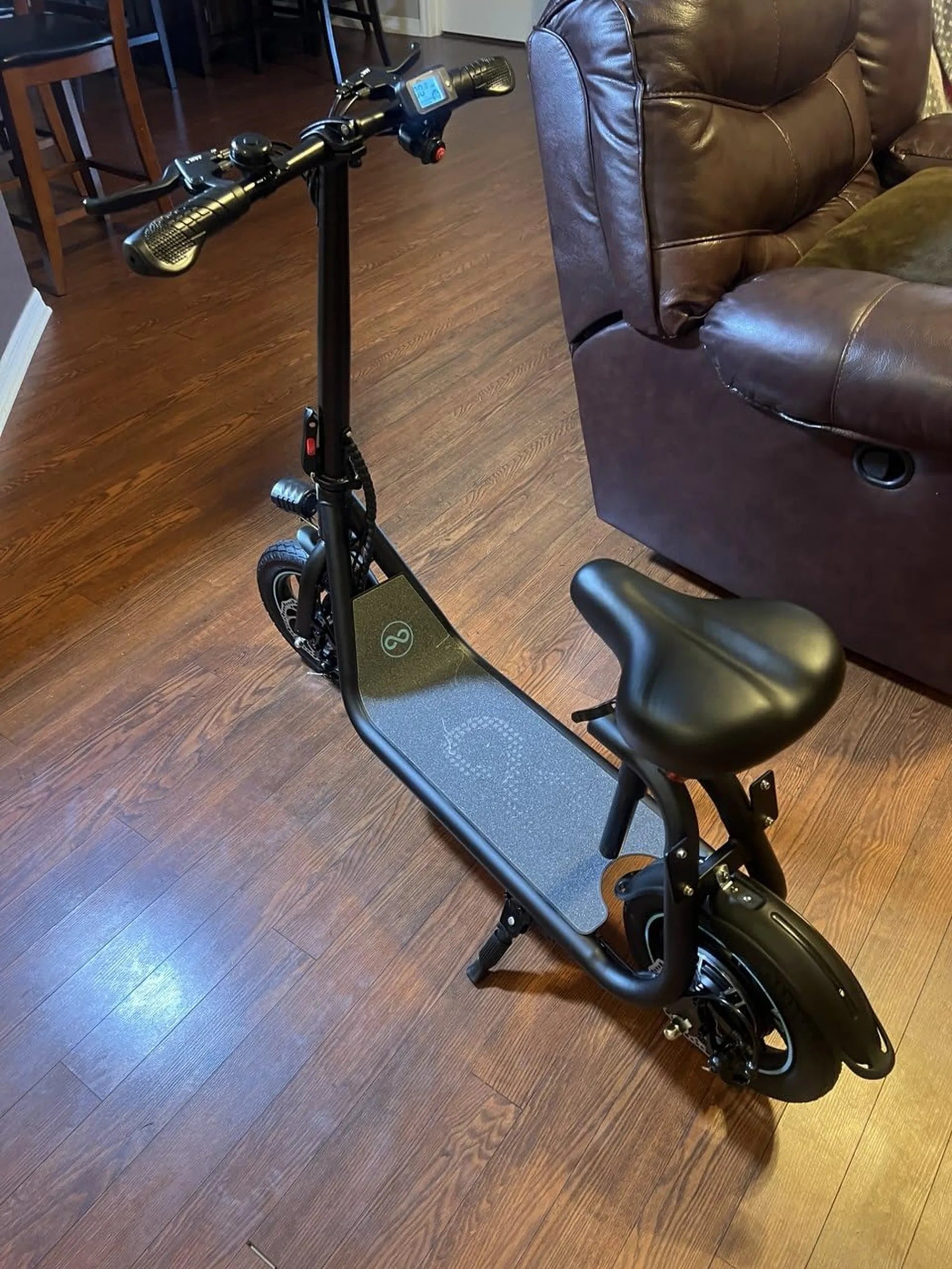
Introduction: Navigating the World of Youth Off-Road Riding
Selecting the right mini dirt bike for 10 year old is a decision that blends excitement with serious responsibility. It's about unlocking a world of outdoor adventure, skill development, and confidence-building for your child. For parents, the process involves balancing the thrill of off-road exploration with non-negotiable safety standards, appropriate power levels, and long-term durability. This guide cuts through the noise, providing a data-driven, feature-focused roadmap. We'll analyze why electric models are increasingly the preferred choice, detail the exact specifications that matter for a 10-year-old's size and skill, and explain how reputable brands engineer for safety. The goal is to empower you with the knowledge to choose a bike that delivers exhilarating fun while prioritizing your child's well-being every step of the way.
Why an Electric Mini Dirt Bike is the Smart Choice for a 10-Year-Old
The debate between electric and gas-powered mini bikes for children has a clear winner for most families: electric. The advantages extend far beyond being environmentally friendly. Electric mini dirt bike for 10 year old models offer instant, smooth torque, which is easier for a beginner to control than the clutch-and-gear operation of a gas bike. This allows the young rider to focus on balance and steering without the complication of stalling or jerky acceleration.
From a practical standpoint, electric bikes eliminate trips to the gas station, messy oil changes, and complex engine maintenance. They operate quietly, making them neighborhood-friendly and allowing for practice in more areas without noise complaints. The heart of a quality electric bike is its battery system. Brands that prioritize safety, like Gyroor, use UL-certified battery packs. These undergo rigorous testing for overcharge protection, short-circuit prevention, and thermal stability, providing critical peace of mind.
Unmatched Control and Safety for Learning Riders
Control is the cornerstone of safety for a novice rider. Electric mini dirt bikes excel here. Most feature a simple twist-grip throttle and regenerative braking, offering intuitive operation. Crucially, they come with adjustable speed limiters, often controlled by a parental key or PIN. You can start your child in a beginner mode capped at 5-7 mph, gradually increasing the limit as their skills and confidence grow. This programmable control is a fundamental safety feature gas bikes simply cannot match.
Furthermore, electric bikes remove significant hazards inherent to gas models. There are no scorching hot engine parts or exhaust pipes to accidentally touch. The risk of fuel spills, fumes, and fire is eliminated. The design is cleaner and simpler, reducing points of failure and making the riding experience safer and more straightforward for a 10-year-old.
Critical Specifications: Choosing the Right Fit for Your Child
Selecting a mini dirt bike for 10 year old isn't about finding the most powerful option; it's about finding the perfect fit. A bike that's too large, heavy, or powerful can be intimidating and dangerous, while one that's too small will be outgrown quickly. The key is to match the bike's physical dimensions and performance envelope to your child's height, weight, and experience level.
Use the following checklist when evaluating any model. The right bike should allow your child to sit comfortably with both feet flat on the ground, providing stability when stopped. They should be able to easily reach the handlebars and controls without straining. The overall weight of the bike should be something they can maneuver and pick up if it tips over, fostering independence and control.
Motor Power, Voltage, and Real-World Range
For a 10-year-old, a motor in the 500W to 800W range is typically ideal. This provides ample power for climbing gentle hills and navigating dirt trails without being overwhelming. Voltage (36V or 48V) correlates with torque and efficiency. A 48V system will generally offer stronger hill-climbing ability and more consistent power delivery.
Battery capacity, measured in Amp-hours (Ah), directly determines ride time. A quality bike with a 10Ah-12Ah battery can deliver 10 to 15 miles of range, or about 40-60 minutes of active ride time, depending on terrain and speed. Charge time is typically 3-5 hours. Emphasize batteries with built-in Battery Management Systems (BMS) and certifications like UL, which ensure longevity and safety over hundreds of charge cycles.
Ergonomics: Seat Height, Wheel Size, and Suspension
These three elements define the ride feel and safety. For an average 10-year-old (roughly 4'5" to 5' tall), a seat height between 24 and 28 inches is a good target. Wheel size is usually 12 or 14 inches, with larger wheels offering better roll-over capability for bumps. Knobby, air-filled tires are essential for proper traction on dirt and grass.
Suspension is non-negotiable for off-road use. A front fork and rear shock absorber system absorb impacts from uneven terrain, keeping the bike stable and reducing fatigue for the rider. It dramatically improves control and safety, preventing the bike from bouncing unpredictably on rough ground. Always opt for a model with both front and rear suspension for true dirt bike capability.
Durability and Build Quality: Preparing for Adventure
A child's vehicle must be built to withstand learning curves and real-world use. The frame material is the first indicator of durability. High-carbon steel or aluminum alloy frames offer the best combination of strength and manageable weight. Welds should be clean and robust, and components like footpegs and handlebars should feel solid, not flimsy.
Weather and element resistance is another critical factor. Rides don't always happen on perfectly dry days. Look for bikes with water-resistant connectors, sealed bearings, and an IP rating for the electrical components. For example, an IPX5 rating, like those found on Gyroor models, means the bike can withstand water jets from any direction, protecting it from puddle splashes and light rain. This ensures the electrical system remains safe and reliable.
Gyroor's Engineering Philosophy: Safety as the Foundation
When evaluating brands for a child's mini dirt bike for 10 year old, engineering intent matters. Gyroor approaches youth mobility with a safety-first mindset that permeates its design and manufacturing processes. This philosophy translates directly into products parents can trust for their children's adventurous spirits.
With a track record of over 100,000 riders across North America and Europe, Gyroor's focus on reliable, well-tested technology sets it apart. Their commitment extends beyond the sale, backed by accessible customer support and clear warranties, providing a full-circle assurance that the bike is a long-term investment in fun.
The UL-Certification Standard: What It Really Means
UL certification is not just a marketing buzzword; it's a rigorous safety benchmark. For a mini dirt bike battery to be UL-certified, it must pass a series of destructive tests simulating real-world failure scenarios. These include overcharging, short-circuiting, extreme temperature exposure, and impact tests.
This certification ensures the battery pack has multiple redundant protection systems to prevent thermal runaway—a potential cause of fire. For parents, this is arguably the most important feature on the spec sheet. It signifies that the most critical and potentially hazardous component of the bike has been independently verified for safety, offering unparalleled peace of mind.
Built for Growth and Supported by Warranty
Gyroor designs its youth models with growth in mind. Adjustable handlebars and speed settings allow the bike to adapt as your child's skills and size increase. The robust construction ensures it can handle the increased demands of a more confident rider. This adaptability extends the bike's useful life, providing better value.
This confidence in durability is formalized in Gyroor's 1-year comprehensive warranty. This warranty covers manufacturing defects in the frame, motor, battery, and electronic components. It represents the brand's commitment to quality and stands as a safeguard for your investment, ensuring that your child's adventure isn't cut short by premature equipment failure.
The Essential Pre-Ride Safety Protocol
Owning the right bike is only half the equation. Establishing a strict pre-ride routine is essential for creating a culture of safety around riding. This protocol should be non-negotiable and practiced every single time before the bike is powered on. It instills responsibility in the young rider and ensures they are physically prepared for the activity.
Start with a quick mechanical check: verify tire pressure, test the brakes, ensure all bolts are tight, and check that the chain (if present) is properly lubricated and tensioned. Then, confirm the battery is securely connected and has adequate charge. This two-minute inspection can prevent most mechanical issues during a ride.
Mandatory Safety Gear: The Non-Negotiable Kit
Proper safety gear is as important as the bike itself. This kit is not optional. The cornerstone is a DOT-certified full-face helmet. It protects against head impacts and debris. Goggles are crucial for eye protection from dirt, rocks, and branches, and they prevent tears from wind.
Riding gloves improve grip and protect hands in a fall. Durable, long-sleeved shirts and pants (or specifically designed riding jerseys/pants) shield skin from abrasions. Over-the-ankle boots with stiff soles provide ankle support and protect feet. Investing in high-quality gear is a direct investment in your child's safety.
Selecting the Ideal Practice Terrain
The location of the first rides is critical for building confidence safely. Begin in a wide-open, flat area free of traffic, obstacles, and pedestrians. A vacant dirt lot, a flat grassy field, or a smooth dirt path are perfect starting points. The surface should be firm enough to provide traction but soft enough to cushion a minor fall.
Avoid areas with steep hills, loose gravel, deep sand, or hidden hazards like tree roots and large rocks until your child has mastered basic controls—stopping, starting, turning, and balancing at low speeds. Always supervise practice sessions closely, providing immediate feedback and encouragement.
Performance Comparison: Key Models and Features
To help visualize the differences between entry-level and more capable models, the table below compares generalized specifications relevant to a 10-year-old rider. Remember, specifications are a guide; build quality, safety certifications, and brand reputation are equally important.
| Feature | Entry-Level Model | Performance-Oriented Model | Why It Matters for a 10-Year-Old |
|---|---|---|---|
| Motor Power | 300W - 500W | 600W - 800W | Higher wattage offers better hill climb and sustained power on trails. |
| Battery & Certification | Lead-Acid or uncertified Li-ion | UL-Certified Lithium-ion (e.g., Gyroor) | UL certification ensures battery safety; Li-ion is lighter and longer-lasting. |
| Suspension | Front only, or basic spring | Full front & rear hydraulic suspension | Full suspension absorbs bumps for better control and comfort off-road. |
| Max Speed (Adjustable) | 10-12 mph | 15-20 mph (limited via parent control) | Adjustable limit allows growth; higher max speed indicates robust components. |
| Frame & Build | Standard steel | Reinforced steel or aluminum alloy | Stronger frame handles jumps and rough use more reliably. |
| Weather Resistance | Basic splash resistance | IPX5 Rated components | Higher IP rating protects electronics from water/dust, increasing reliability. |
Frequently Asked Questions (FAQs)
What is the appropriate speed for a 10-year-old's first dirt bike?
For a complete beginner, a bike with a beginner mode limited to 5-7 mph is ideal. This allows them to master balance and basic controls in a safe, controlled environment. As proficiency increases, the speed can be gradually raised. A maximum governed speed of around 15 mph is more than sufficient for most 10-year-olds, providing excitement without excessive risk.
How long does the battery last on a single charge?
On a quality electric mini dirt bike for 10 year old with a 10Ah lithium-ion battery, you can expect 40 to 60 minutes of continuous ride time, which translates to roughly 10-15 miles of range, depending on terrain, rider weight, and speed. Charging typically takes 3 to 5 hours. Always use the manufacturer-provided charger and store the battery in a cool, dry place.
Can it handle real off-road trails?
Yes, a properly equipped mini dirt bike is designed for mild to moderate off-road conditions. The key features needed are full suspension (front fork and rear shock), knobby air-filled tires, and adequate ground clearance. These allow the bike to safely navigate dirt paths, grass fields, and gentle trail systems. It is not, however, designed for extreme motocross tracks with large jumps.
What is the typical weight capacity?
Most mini dirt bikes for this age group have a maximum weight capacity between 150 and 180 pounds. This comfortably accommodates the average weight of a 10-year-old and allows for growth, ensuring the bike remains usable for several years. Always check the manufacturer's specified weight limit and do not exceed it.
How do I maintain an electric mini dirt bike?
Maintenance is significantly simpler than for a gas bike. Key tasks include: keeping the battery charged and stored properly, checking and inflating tires to the recommended PSI, cleaning the bike after muddy rides (avoiding direct high-pressure water on electrical parts), lubricating the chain (if applicable), and periodically checking that all bolts and fasteners are tight. Always consult the owner's manual for specific guidelines.
Empowering Young Riders with Confidence and Responsibility
Choosing the perfect mini dirt bike for 10 year old is a meaningful step toward fostering independence, outdoor activity, and mechanical interest in your child. By prioritizing safety features like adjustable speed limits, UL-certified batteries, robust construction, and full suspension, you select a platform for fun that is fundamentally secure. The journey begins with the right equipment but is sustained by consistent safety practices—the mandatory gear, the supervised practice, and the pre-ride checks that become ritual.
Brands that engineer with these principles, such as Gyroor, provide the reliable foundation for this adventure. Their focus on certified safety, durable builds, and rider-friendly design translates into a product that parents can trust and children can truly enjoy. The result is more than just a toy; it's a tool for building confidence, learning responsibility, and creating lifelong memories of outdoor exploration. Ready to explore models that put safety and performance first for your young rider? Browse the full Gyroor collection at gyroorboard.com to find the ideal electric companion for your child's next adventure.
48V 50Ah Ebike Battery: The Ultimate Range & Power Solution
Good Beginner Dirt Bike for Adults: The 2024 Ultimate Buying Guide