



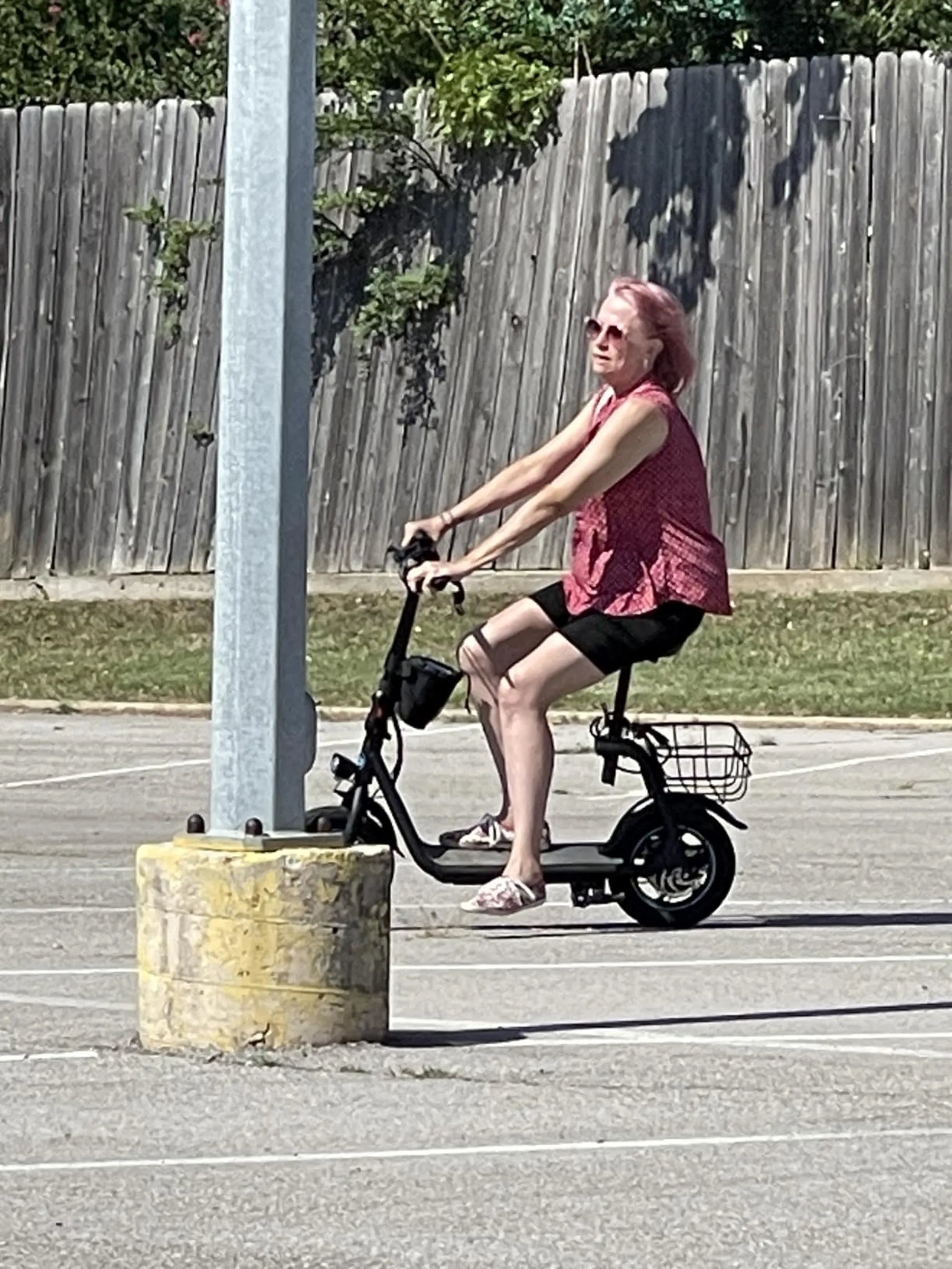
When it comes to mobility scooters, the battery is the heart of the machine. Without the right power source, even the most advanced scooter won’t get you far. Mobility scooter battery sizes play a pivotal role in determining how long you can ride, how much weight your scooter can handle, and how often you’ll need to recharge. Whether you’re a first-time buyer or looking to upgrade, understanding battery sizes and their implications is essential.
Why Battery Size Matters for Mobility Scooters
The size of your mobility scooter battery directly impacts its range, performance, and overall usability. A larger battery typically means longer travel distances between charges, while a smaller one may be lighter and more compact but offer limited range. The right battery size ensures your scooter meets your daily needs without frequent recharging.
Types of Mobility Scooter Batteries
There are two primary types of batteries used in mobility scooters:
- Sealed Lead-Acid (SLA) Batteries: These are the most common and affordable option. They come in various sizes, typically ranging from 12Ah to 75Ah. SLA batteries are reliable but heavier and require regular maintenance.
- Lithium-Ion Batteries: These are lighter, more efficient, and have a longer lifespan than SLA batteries. They usually range from 10Ah to 50Ah but are more expensive upfront.
Common Mobility Scooter Battery Sizes
Battery sizes are measured in ampere-hours (Ah), which indicate how much charge the battery can hold. Here are some standard sizes and their typical uses:
- 12Ah to 20Ah: Ideal for lightweight, portable scooters with short-range use.
- 30Ah to 50Ah: Suitable for mid-range scooters, offering a balance between weight and range.
- 60Ah to 75Ah: Best for heavy-duty scooters designed for long distances or rough terrain.
Factors to Consider When Choosing a Battery Size
Selecting the right battery size depends on several factors:
- Daily Usage: How far do you travel each day? Larger batteries are better for extended use.
- Scooter Weight Capacity: Heavier scooters require more power to operate efficiently.
- Terrain: Hilly or uneven terrain demands more battery power than flat surfaces.
- Charging Accessibility: If you can’t charge frequently, opt for a higher-capacity battery.
Maximizing Battery Life
To get the most out of your mobility scooter battery, follow these tips:
- Charge the battery fully before first use.
- Avoid deep discharges; recharge when the battery level drops to 20-30%.
- Store the battery in a cool, dry place when not in use.
- Clean battery terminals regularly to prevent corrosion.
Choosing the right mobility scooter battery size can make all the difference in your daily comfort and independence. Whether you prioritize range, weight, or cost, understanding your options ensures you’ll never be left stranded. Ready to power up your ride? The perfect battery is just a decision away.
Cost of Electric Scooter in Kerala: A Comprehensive Guide for Buyers
Small Indoor Mobility Scooter: The Ultimate Guide to Compact Freedom