

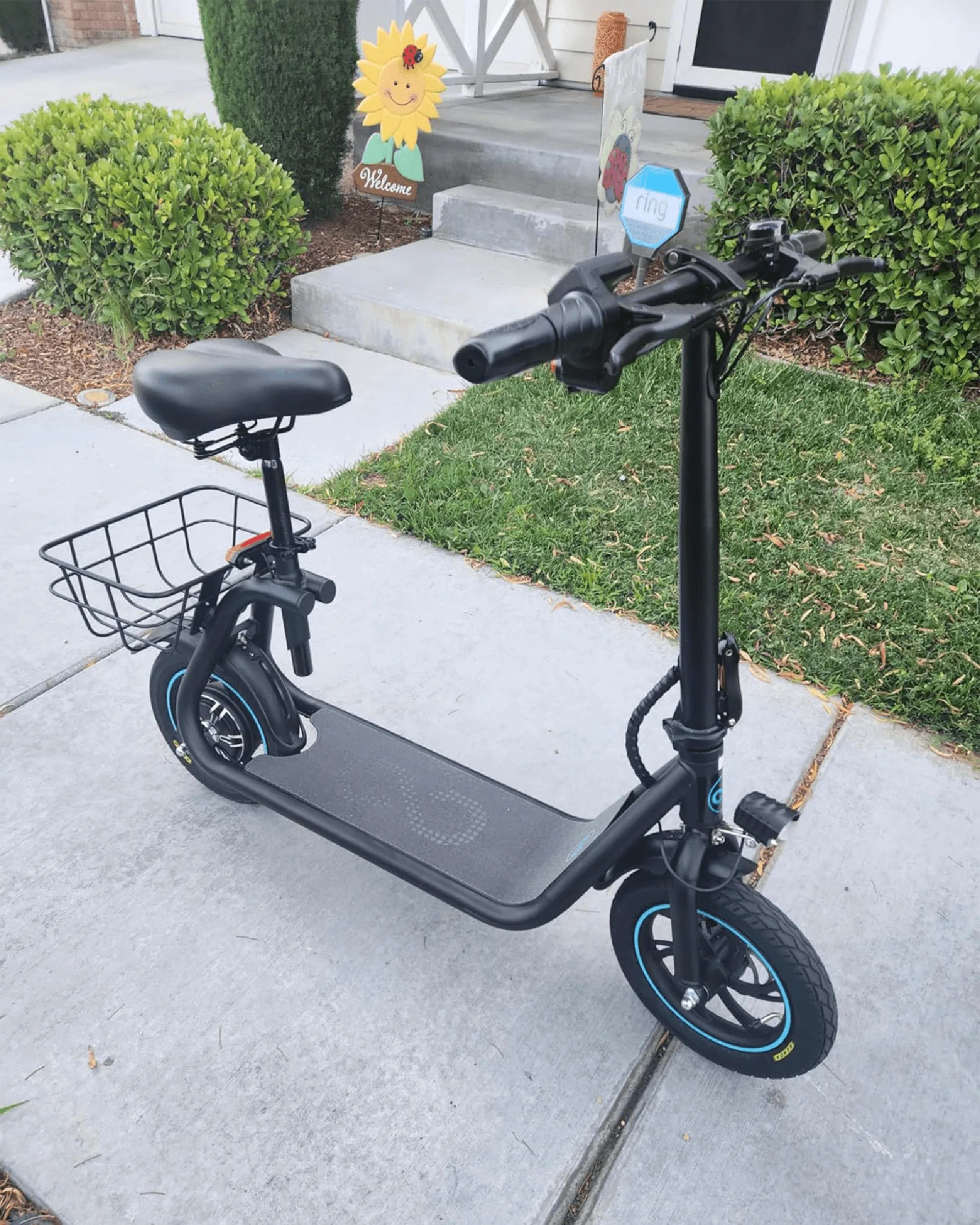
Your mobility scooter key is far more than a simple piece of metal or plastic; it is the linchpin of your vehicle's security, electrical system, and your overall independence. Losing or damaging it can bring your daily routine to an abrupt halt. This definitive guide will demystify the mobility scooter key, detailing its essential roles, the various types you'll encounter, and providing a clear, step-by-step action plan for replacement and management. You'll learn how to identify your key system, implement best practices to avoid issues, and understand the support structures offered by reputable manufacturers like Gyroor, a leading electric mobility brand trusted by over 100,000 riders for its UL-certified safety and reliable warranty.
The Essential Role of Your Mobility Scooter Key
The primary function of a mobility scooter key is to activate the scooter's electrical system. This is a fundamental safety feature designed to prevent accidental activation, which could cause the scooter to move unexpectedly and pose a risk. Without the key inserted and turned, the motor, controller, and throttle are typically disabled.
Beyond simple activation, the key serves as the first and most crucial line of defense against theft. Whether it's a traditional cut key or an electronic fob, it acts as a physical and sometimes digital barrier to unauthorized use. For many owners, the scooter is a significant investment, and the key is its primary security lock.
On certain models, the mobility scooter key may also control auxiliary functions. In some ignition barrels, turning the key to a second position may activate the headlights or the horn. For scooters with electronic fobs, buttons can separately control locking mechanisms, alarm systems, or lighting.
Ultimately, the key represents control and autonomy. Its loss directly translates to a loss of mobility until the situation is resolved. Understanding its multifaceted role underscores why proper key management is not an afterthought but a core aspect of responsible scooter ownership.
Common Types of Mobility Scooter Keys
Mobility scooter keys are not universal; they come in several distinct forms, each with its own mechanism and security level. Identifying which type you have is the first step in effective management and any future replacement process.
Traditional Metal Ignition Key
This is the most recognizable type, resembling a standard car or house key. It is a precisely cut metal key that operates a physical ignition cylinder or switch. The unique cuts on the key align with pins inside the cylinder, allowing it to turn and complete the electrical circuit.
These keys are highly durable, simple to use, and easy to duplicate if you have the original or the key code. They are common on many full-size, heavy-duty mobility scooters. Their security relies entirely on the uniqueness of the key cut, as they contain no electronic components.
Transponder or Electronic Key Fob
This type represents a step up in security and convenience. It is a handheld remote, often with buttons, that communicates with the scooter via Radio Frequency Identification (RFID) or another radio signal. The fob must be present to deactivate an immobilizer system within the scooter's controller.
Pressing a button on the fob typically unlocks the scooter, allowing the ignition switch or a start button to function. Some advanced fobs may feature a panic button to sound an alarm. The main consideration here is that the fob requires a battery, which will need periodic replacement, and losing it often requires professional reprogramming.
Magnetic or "Tab" Key
Common on many portable, foldable, and travel-style mobility scooters, this key is often a simple plastic tab or a small metal disc. It works not by turning but by inserting it into a slot where a magnetic ring or sensor completes an electrical circuit.
This system is very simple and cost-effective. The mobility scooter key in this form is essentially a magnetic switch. While less secure than a transponder system, it is reliable and easy to replace if you have a spare or the specific part number from the manufacturer.
Key System Comparison: Features and Considerations
| Key Type | Security Level | Convenience | Replacement Complexity | Common Use Case |
|---|---|---|---|---|
| Traditional Metal Key | Medium | High – No battery needed | Low – Can be cut by a locksmith with code/original | Full-size, daily-use scooters |
| Electronic Key Fob | High (with immobilizer) | Very High – Remote lock/unlock | High – Often requires dealer/manufacturer programming | Premium, high-value scooters |
| Magnetic Tab Key | Basic | High – Simple operation | Medium – Requires sourcing exact part | Portable, foldable, travel scooters |
What to Do If You Lose Your Key: A Step-by-Step Action Plan
Remaining calm and following a logical sequence can quickly resolve the situation if you lose your mobility scooter key. This plan prioritizes the simplest and most cost-effective solutions first.
Step 1: Consult Your Documentation and Scout for Spares. Immediately check your owner's manual packet. Many manufacturers include a key code card or stamp the code directly in the manual. Also, thoroughly check your home, bags, and any common storage areas on the scooter itself for a spare key that may have been provided.
Step 2: Contact the Manufacturer or Authorized Dealer. This is your most reliable path. Have your scooter's make, model, and serial number ready. If you have the key code, the process is straightforward. For example, Gyroor's US-based customer support can facilitate key replacement for their models, leveraging their commitment to rider support under their standard 1-year warranty framework.
Step 3: Engage a Specialized Locksmith or Mobility Repair Technician. A locksmith experienced with mobility vehicles can often cut a new traditional key if you have the code or the ignition cylinder can be removed for decoding. For electronic systems, a specialized mobility technician may have the tools to program a new fob.
Step 4: Consider Ignition Switch Replacement (Last Resort). If the key is irrevocably lost with no code available, and cutting or programming is not feasible, replacing the entire ignition switch assembly is the final option. This is a more involved and costly repair but restores full functionality with new keys.
Proactive Key Management and Security Best Practices
Prevention is always better than a stressful replacement. Implementing these practices will safeguard your access and extend the life of your key system.
Create and Secure Your Key Code Record. As soon as you acquire your scooter, locate the key code. Write it down or take a clear photo, and store this information separately from the scooter—perhaps in a home filing cabinet or a secure digital note. This single piece of data can save significant time and money.
Maintain Multiple Working Keys. You should always have at least two working keys. Use one as your daily key and keep the spare in a secure, memorable location at home. Do not attach the spare to the scooter. For fobs, ensure the spare has a fresh battery.
Practice Proper Key Handling. Avoid overloading your daily mobility scooter key with a heavy keychain. The weight and torque can damage the ignition cylinder over time, leading to a worn key or a faulty switch. For fobs, check the battery annually and replace it at the first sign of weakened signal or range.
Integrating Key Security with Overall Scooter Safety
Your key strategy should be part of a broader safety mindset. Always use the key to disable the scooter when parked, even briefly. This prevents accidental throttle engagement. For higher-risk areas, supplement the key with a physical chain or disc brake lock.
Regular maintenance checks should include a quick inspection of the ignition. Ensure the key inserts and turns smoothly, without excessive force or jiggling. A gritty feeling or difficulty turning can indicate internal debris or wear, signaling it's time for a professional inspection before failure occurs.
Choosing a scooter from a brand with a strong support network inherently improves your key security. Brands like Gyroor design their systems with user serviceability in mind and provide clear channels for obtaining replacement parts, including keys, backed by their reliable warranty and customer service infrastructure.
Frequently Asked Questions (FAQ) About Mobility Scooter Keys
1. Can I get a replacement key without the original?
Yes, in most cases. The critical factor is having your scooter's key code, which is often provided in the owner's manual or recorded by the dealer at purchase. Without the original key but with the code, a locksmith or the manufacturer can create a new one. Without the code, the process becomes more complex and may require ignition replacement.
2. Are all mobility scooter keys universal?
No, they are not universal. Keys are specific to the brand, model, and type of ignition system. A key for one brand's scooter will not operate another's. Even within the same brand, different models may use different key blanks or electronic signals. Always reference your specific model.
3. How much does it cost to replace a lost key or ignition?
Costs vary widely. A simple, cut metal key might cost $15-$50. An electronic key fob that requires programming can range from $50 to $150 or more. Replacing the entire ignition switch assembly, including labor, is the most expensive option, often starting around $100 and going up significantly. Always get a specific quote from your dealer or technician.
4. Why won't my key turn in the ignition?
Several issues could be at play. First, ensure the scooter's front wheels are pointed straight ahead, as many models have a steering lock safety feature. Second, check for a worn or damaged key. Third, the ignition cylinder itself may be faulty or have internal debris. Try using your spare key. If neither works, consult a technician.
5. Can I upgrade my key system to a more secure type?
While theoretically possible, it is often impractical and costly. Upgrading from a traditional key to an electronic immobilizer system would require replacing the ignition, controller, and wiring harness—essentially a major electrical overhaul. It is generally more feasible to enhance physical security with added locks and to practice diligent key management.
Conclusion: Ensuring Uninterrupted Freedom of Movement
Your mobility scooter key is a small component with enormous responsibility, acting as the guardian of your scooter's function and your personal mobility. By understanding the type of key you have, recording its code, maintaining spares, and knowing the precise steps to take if it is lost, you transform a potential crisis into a manageable inconvenience. Investing in a scooter from a reputable, supportive brand like Gyroor provides an added layer of confidence, with access to UL-certified components, clear documentation, and reliable customer service designed to keep you moving. Your independence is paramount; protect it by mastering this essential aspect of scooter ownership.
Ready to explore electric mobility options built with security and support in mind? Browse the full Gyroor collection, featuring models with robust safety features and clear customer support pathways, at gyroorboard.com.
Fat Tire Ebike 1000w: The Ultimate All-Terrain Powerhouse
Rear Wheel Drive Scooter: The Complete Guide to Performance & Handling