


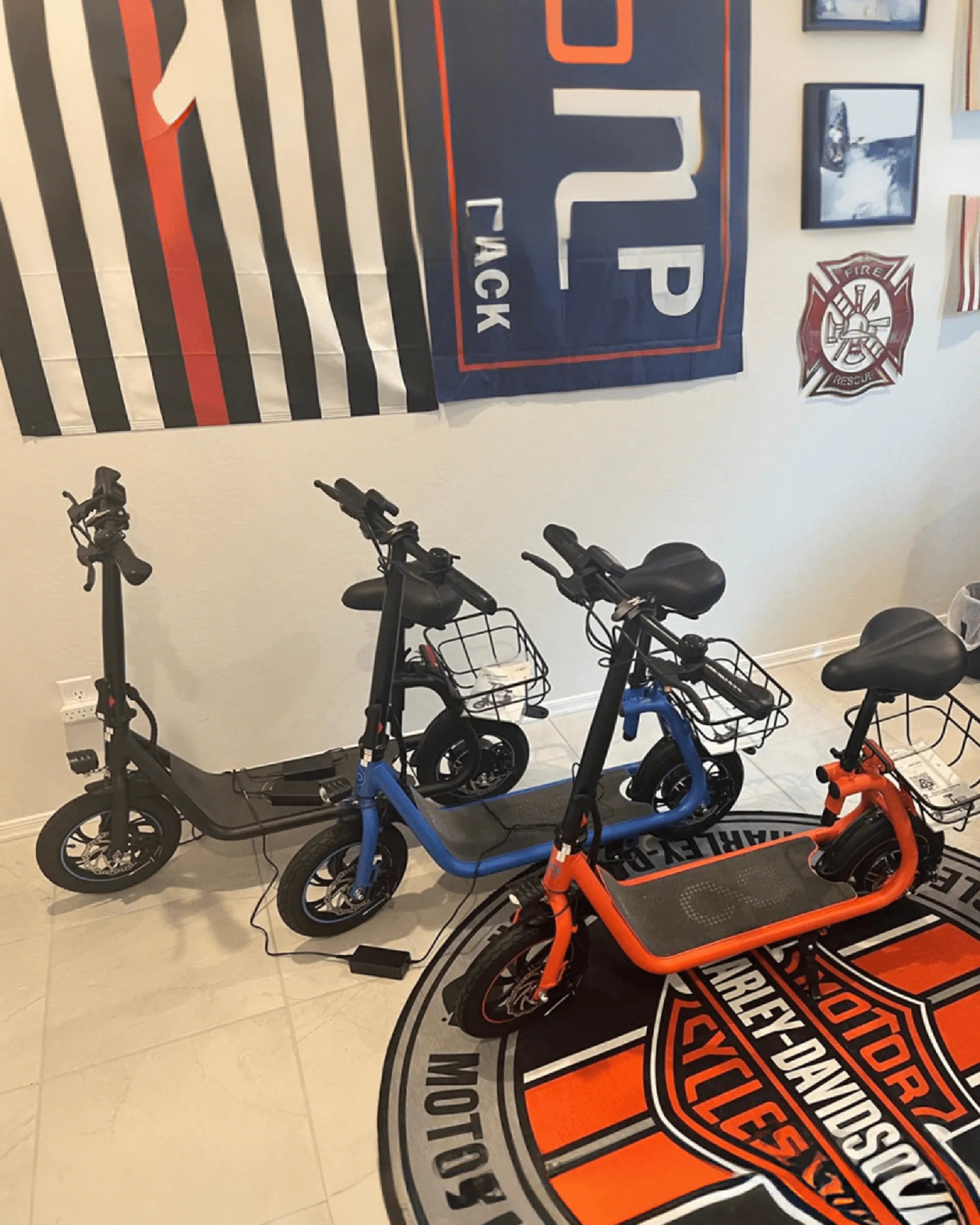
The Dawn of a New Urban Mobility Era
City streets are undergoing a silent transformation, powered not by gasoline but by advanced lithium-ion cells. The quest for efficient, agile, and exhilarating personal transport has reached a new peak with the advent of the fastest electric scooter. This category represents the pinnacle of micro-mobility, merging the zip of a traditional moped with the clean, quiet, and tech-forward advantages of modern electric propulsion.
For over 100,000 riders across North America and Europe, brands like Gyroor have demonstrated that urban commuting no longer requires choosing between speed and sustainability. The modern electric scooter revolution is about empowered travel—reducing commute times, bypassing traffic, and eliminating fuel costs without sacrificing performance. This article dives deep into the engineering, regulations, and practical realities of this shift.
We will explore what truly defines a high-speed electric scooter, how it compares to its gas-powered predecessors, and the critical features that ensure safety and reliability at elevated speeds. The keyword for this new era is clear: the fastest electric scooter is not just a product; it's a solution reshaping how we navigate our cities.
The Evolution of Personal Transport: From Gas Mopeds to Electric Speed
The history of compact urban vehicles is a story of refinement. Gasoline-powered mopeds and scooters, popular for decades, offered a step up from bicycles but came with significant drawbacks. Their two-stroke engines were notoriously noisy, emitted pollutants, and required regular maintenance for carburetors, oil changes, and spark plugs. They were also dependent on gas stations and often subject to stricter licensing and insurance regulations.
The electric revolution began with underpowered, short-range toys. However, breakthroughs in battery energy density, motor efficiency, and power management have completely changed the landscape. Today's performance electric scooters leverage high-torque brushless hub motors and sophisticated electronic speed controllers (ESCs) to deliver acceleration that can rival, and in many cases surpass, that of 50cc gas mopeds.
The shift from lead-acid to UL-certified lithium-ion battery packs is the single most important technological leap. These batteries provide a superior power-to-weight ratio, enabling the compact, lightweight frames necessary for a portable yet powerful fastest electric scooter. This evolution has moved electric scooters from the fringe into the mainstream commuter conversation, offering a legitimate alternative for trips under 15 miles.
Brands leading this charge, such as Gyroor, focus on integrating these advanced components into cohesive, rider-focused designs. The result is a vehicle that preserves the simplicity and affordability of a scooter while delivering the instant torque and quiet operation that defines modern electric mobility. The era of smoky exhaust and loud engines for city travel is giving way to a cleaner, smarter, and faster alternative.
What Truly Defines the "Fastest Electric Scooter"?
While top speed is the headline figure, defining the fastest electric scooter requires a multi-faceted look at performance metrics. True high-speed capability is a symphony of power, control, and stability, not just a single number on a display.
The primary determinant is the motor's continuous power output, measured in watts (W). Commuter scooters often start at 250W-350W, while performance models feature motors ranging from 500W to 1000W or more. Higher wattage translates to better hill-climbing ability and sustained high speeds. Equally important is the battery system's voltage (commonly 36V, 48V, or 52V). A higher voltage system allows the motor to draw power more efficiently, supporting greater top speeds and reducing voltage sag under load, which maintains performance throughout the ride.
Acceleration is another critical factor. The time it takes to go from 0 to 15 mph is a more practical measure of urban agility than top speed alone. A powerful scooter with a responsive controller will feel snappy and confident when merging into traffic or starting from a stoplight. Finally, stability at speed is non-negotiable. Features like a longer wheelbase, wide pneumatic tires, and a low center of gravity are what separate a safe, comfortable high-speed ride from a precarious one.
Speed vs. Range: Finding the Perfect Balance for Commuters
The most significant trade-off in electric scooter performance is between speed and range. Aerodynamic drag increases exponentially with speed, meaning riding at a scooter's maximum velocity will drastically reduce its travel distance. Manufacturers typically advertise a maximum range based on ideal conditions: a lightweight rider on flat terrain at a moderate, steady speed (e.g., 15 mph).
For a commuter considering the fastest electric scooter, understanding this relationship is key. A model boasting a 40-mile range at 15 mph might only achieve 15-20 miles if ridden consistently at its top speed of 25+ mph. Therefore, the "perfect" scooter offers a speed ceiling that meets legal and safety limits for your area, paired with a real-world range that exceeds your daily round-trip distance with a comfortable buffer.
Advanced models address this with multiple speed modes. Riders can use a lower, range-conserving mode for most of their journey and switch to a high-performance mode only when needed for safety or specific stretches. This intelligent power management ensures you are never stranded and can fully utilize the scooter's performance envelope strategically.
Key Features That Power the Revolution (Beyond Speed)
The viability of a fastest electric scooter as a daily commuter hinges on features that guarantee safety, durability, and peace of mind. High performance must be built on a foundation of reliability.
Beyond the motor and battery, the braking system is paramount. Disc brakes, whether mechanical or hydraulic, provide the consistent, fade-resistant stopping power required for high-speed travel. Lighting is equally crucial; bright LED headlights, brake lights, and side reflectors are essential for visibility in dawn, dusk, or nighttime conditions. A clear, intuitive display that shows speed, battery level, and riding mode allows the rider to stay informed without distraction.
The frame's construction material—typically aerospace-grade aluminum alloys—determines its strength and weight. A robust folding mechanism, if present, must inspire confidence, locking securely to handle the stresses of high-speed riding. These components work together to create a vehicle that is not just fast, but also trustworthy and user-friendly for the daily grind.
UL-Certified Batteries: The Foundation of Safe, Reliable Power
The battery is the heart of an electric scooter, and its safety certification is the most critical specification. UL (Underwriters Laboratories) certification means the battery pack has undergone rigorous independent testing for electrical, mechanical, and environmental hazards, including overcharge, short circuit, and crush tests.
For a fastest electric scooter pushing performance limits, using a UL-certified battery is non-negotiable. It ensures the high-density energy pack can handle the rapid discharge rates demanded by high speeds and aggressive acceleration without risk of thermal runaway or fire. Brands committed to safety, like Gyroor, build all their models with UL-certified battery packs tested for 500+ charge cycles, ensuring both peak performance and long-term reliability. This certification is a key differentiator from cheaper, uncertified alternatives that pose significant safety risks.
Built to Endure: IPX5 Water Resistance and Rugged Design
Urban commuting is an all-weather activity. A true commuter scooter must be resilient. An IPX5 water resistance rating means the scooter's critical electronics can withstand sustained water jets from any direction, making it capable of riding through puddles and in light rain without failure.
This durability extends to the overall build. Reinforced stems, sealed bearings, and rust-resistant hardware contribute to a scooter's longevity. Wide, air-filled (pneumatic) tires not only improve comfort and stability at speed but also better handle cracks, bumps, and uneven pavement than solid tires. A scooter with an IPX5 rating and rugged construction, such as those in Gyroor's performance lineup, transitions from a fai r-weather novelty to a dependable four-season transportation tool, ready for the realities of city streets.
Warranty and Support: Investing in Confidence for the Long Haul
Performance claims are only as good as the warranty that backs them. A comprehensive warranty signals a manufacturer's confidence in its product's quality. A standard offering for reputable brands is a 1-year warranty covering defects in materials and workmanship for the frame, motor, and controller.
Equally important is accessible, knowledgeable customer support. The ability to get timely help with troubleshooting, order replacement parts, or receive clear assembly instructions greatly enhances the ownership experience. When investing in a fastest electric scooter, the presence of strong after-purchase support is a critical feature that protects your investment and ensures years of reliable service, making the revolution not just exciting but also sustainable for the individual rider.
Comparative Lens: Fast Electric Scooters vs. Traditional Mopeds & E-Bikes
Choosing the right urban vehicle requires a clear comparison. The modern fastest electric scooter occupies a unique space between traditional mopeds and electric bicycles.
| Feature | Fast Electric Scooter (Performance Model) | Traditional 50cc Gas Moped | Commuter E-Bike |
|---|---|---|---|
| Top Speed | 20 - 28+ mph | 25 - 35 mph | 20 - 28 mph (with pedal assist) |
| Acceleration (0-15 mph) | Very Quick (3-5 sec) | Moderate | Moderate (dependent on pedaling) |
| Operational Cost/Mile | Extremely Low (~$0.01) | Moderate (Gas, Oil) | Very Low (~$0.01) |
| Maintenance | Low (Tires, Brakes, Battery) | High (Engine, Oil, Belt, Carburetor) | Moderate (Chain, Gears, Battery) |
| Parking & Portability | Excellent (Folding, Lightweight) | Poor (Requires Motorcycle Parking) | Fair (Bulky, can be heavy) |
| Licensing/Registration | Often not required* | Usually Required | Not Required |
| Environmental Impact | Zero Direct Emissions | High (CO2, NOx, Noise) | Zero Direct Emissions |
| Initial Purchase Cost | $$ | $$$ | $$$ |
*Local regulations vary significantly; always check local laws.
This comparison reveals the electric scooter's compelling value proposition. It offers moped-comparable speeds with vastly lower running costs and maintenance, while surpassing the e-bike in portability and pure throttle-based convenience for shorter trips. Its ability to be carried indoors for storage and charging solves the perennial urban problem of secure parking.
Navigating Regulations: Speed, Safety, and the Law
The exciting performance of the fastest electric scooter exists within a framework of local regulations designed for public safety. Jurisdictions classify these devices differently, but most regulations in North America and Europe focus on three key parameters: maximum motor power (often 750W or 1000W), top speed (typically capped at 20 mph for bike lanes/paths, sometimes 28 mph on roads), and whether a throttle-only mode is permitted.
It is the rider's responsibility to know and obey local laws. Riding a scooter capable of 28 mph in a zone where the legal limit is 20 mph not only risks a fine but also potentially voids insurance and compromises safety. Always wear a certified bicycle or multi-sport helmet. Use front and rear lights at all times, and consider additional reflective gear. Practice defensive riding, assume you are not seen by drivers, and never ride on sidewalks where prohibited.
Responsible ownership of a high-performance scooter means respecting its power. Regular pre-ride safety checks—inspecting tire pressure, brake function, and fastener tightness—are essential. By adhering to regulations and prioritizing safety gear, riders can enjoy the benefits of the fastest electric scooter while contributing to a positive and sustainable micro-mobility ecosystem.
FAQ: Your Questions About High-Speed Electric Scooters Answered
Q1: How fast can the fastest electric scooters really go?
Consumer-grade performance electric scooters typically have top speeds between 20 mph and 28 mph for street-legal models. Some off-road or specialty models may exceed 30 mph, but operating at such speeds on public roads is often illegal and requires advanced protective gear. The real-world sensation of speed is amplified by the open riding position and direct connection to the road.
Q2: Is a special license or registration required to ride one?
In most U.S. states and many European countries, electric scooters below a certain power and speed threshold (e.g., 750W, 20 mph) are classified similarly to bicycles and do not require a driver's license, vehicle registration, or insurance. However, this is a rapidly changing area of law. Always check the specific regulations in your city and state before purchasing or riding.
Q3: How far can I travel on a single charge at top speed?
Expect range to be reduced by 35-50% when riding consistently at top speed versus the advertised range. If a scooter is rated for 25 miles at 15 mph, you might achieve 12-16 miles at its maximum speed of 25 mph. Factors like rider weight, hills, wind, and temperature also significantly impact range.
Q4: Are high-speed electric scooters safe for daily commuting?
When operated responsibly with proper safety gear and on appropriate terrain, they can be a safe commuter option. Safety is directly linked to the scooter's build quality (brakes, tires, frame rigidity), the rider's adherence to traffic laws, and the use of a helmet. Choosing a model from a reputable brand with UL-certified batteries and robust construction, like Gyroor, is the first step toward safe commuting.
Q5: What maintenance does a performance electric scooter require?
Maintenance is relatively minimal compared to gas vehicles. Regular tasks include checking and inflating tires to the correct PSI, ensuring brakes are properly adjusted and pads are not worn, keeping the chassis clean, and checking for loose bolts. The battery requires care: avoid fully draining it, store it in a cool, dry place, and use only the provided charger. An annual check of bearings and suspension components is also advisable.
Embracing the Fast Lane of Urban Commuting
The shift from traditional mopeds and scooters to high-performance electric scooters is more than a trend; it's a logical evolution in urban mobility. The fastest electric scooter delivers a potent combination of time-saving speed, negligible operating costs, and unmatched convenience for the first and last mile of a commute. It represents a personal declaration of independence from traffic congestion, fuel prices, and cumbersome parking.
This revolution is powered by serious engineering: UL-certified batteries for safety, high-torque motors for acceleration, and rugged, water-resistant designs for reliability. As regulations evolve to accommodate these vehicles, their role in creating cleaner, quieter, and more efficient cities will only grow. The choice for the modern urbanite is no longer between slow, cheap, or fast; it's about finding an intelligent synthesis of all three.
The ultimate takeaway is that urban mobility has been democratized. You can now access moped-like performance without the noise, fumes, or hassle. By choosing a reputable brand that prioritizes certified safety components and stands behind its products with a solid warranty, you're not just buying a vehicle—you're investing in a smarter, more enjoyable way to move. Explore the forefront of this revolution and find the model that matches your pace of life.
Ready to experience the revolution? Browse the full Gyroor collection of high-performance, UL-certified electric scooters and e-bikes at gyroorboard.com.
Electric Scooters Under 1 Lakh: Affordable and Eco-Friendly Commuting Solutions
Cheap Electric Scooters With Suspension: Your Guide to Affordable Comfort