

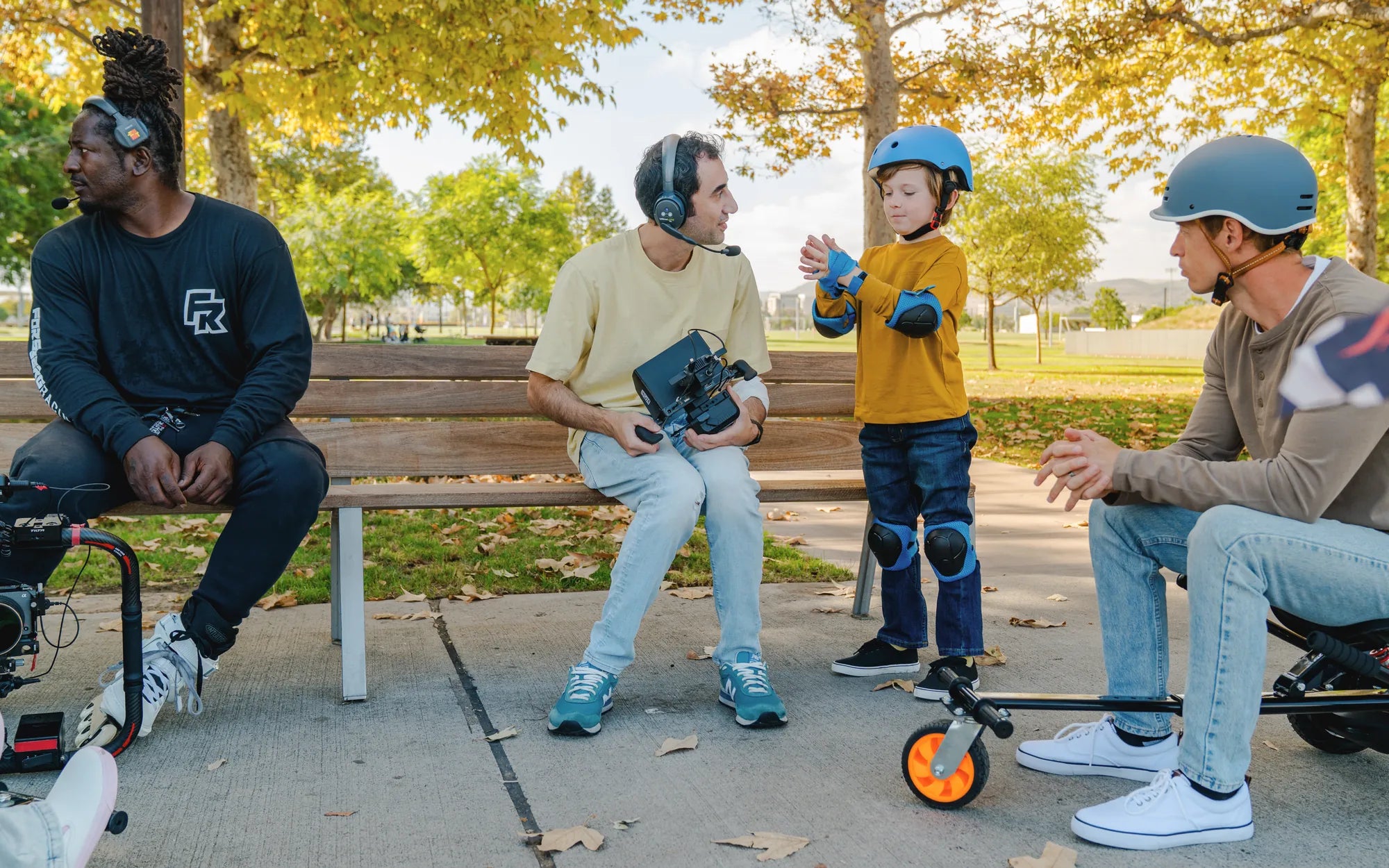
Hoverboards have taken the world by storm, offering a fun and futuristic way to get around. But with great fun comes great responsibility—and potential risks. From minor scrapes to serious fractures, hoverboard injuries are more common than you might think. Whether you're a seasoned rider or a beginner, understanding these risks can help you stay safe and enjoy the ride without unnecessary trips to the emergency room.
1. Wrist and Arm Fractures
One of the most frequent injuries from hoverboard accidents is wrist and arm fractures. When riders lose balance, their instinct is to extend their arms to break the fall. Unfortunately, this often leads to sprains, fractures, or even broken bones. Wrist guards and proper falling techniques can significantly reduce the risk of these injuries.
2. Head Injuries and Concussions
Falling off a hoverboard can result in serious head injuries, especially if the rider isn't wearing a helmet. Concussions, skull fractures, and even traumatic brain injuries have been reported. Always wear a certified helmet to protect your head—it could save your life.
3. Ankle and Foot Sprains
Hoverboards require balance and coordination, and sudden movements can twist ankles or strain foot muscles. Ill-fitting shoes or uneven surfaces increase the risk of these injuries. Wearing supportive footwear and practicing on smooth, flat terrain can help prevent sprains.
4. Cuts and Abrasions
Scrapes and cuts are common when riders fall onto rough surfaces like asphalt or concrete. While these injuries are usually minor, they can be painful and prone to infection. Protective gear like knee and elbow pads can minimize skin damage during falls.
5. Back and Spinal Injuries
Landing awkwardly after a fall can cause back strains or even spinal injuries. Poor posture while riding or attempting risky tricks increases this risk. Strengthening core muscles and avoiding excessive stunts can help protect your spine.
6. Collision-Related Injuries
Hoverboards can reach high speeds, and collisions with obstacles, pedestrians, or vehicles can lead to severe injuries. Always ride in designated areas, follow traffic rules, and stay alert to your surroundings to avoid accidents.
How to Prevent Hoverboard Injuries
Prevention is key to enjoying hoverboards safely. Here are some essential tips:
- Wear protective gear, including helmets, knee pads, and wrist guards.
- Practice in a safe, open area before riding in crowded spaces.
- Avoid uneven or slippery surfaces.
- Follow manufacturer guidelines for weight limits and usage.
- Supervise children and beginners to ensure safe riding habits.
Hoverboards are a blast, but safety should always come first. By understanding the most common injuries and taking preventive measures, you can glide smoothly and avoid unnecessary pain. Stay smart, stay protected, and keep the fun rolling—without the trips to the ER!
Hoverboard User Guide: Mastering the Art of Safe and Fun Riding
Where Do You Get Hoverboards: The Ultimate Guide to Finding Your Perfect Ride