



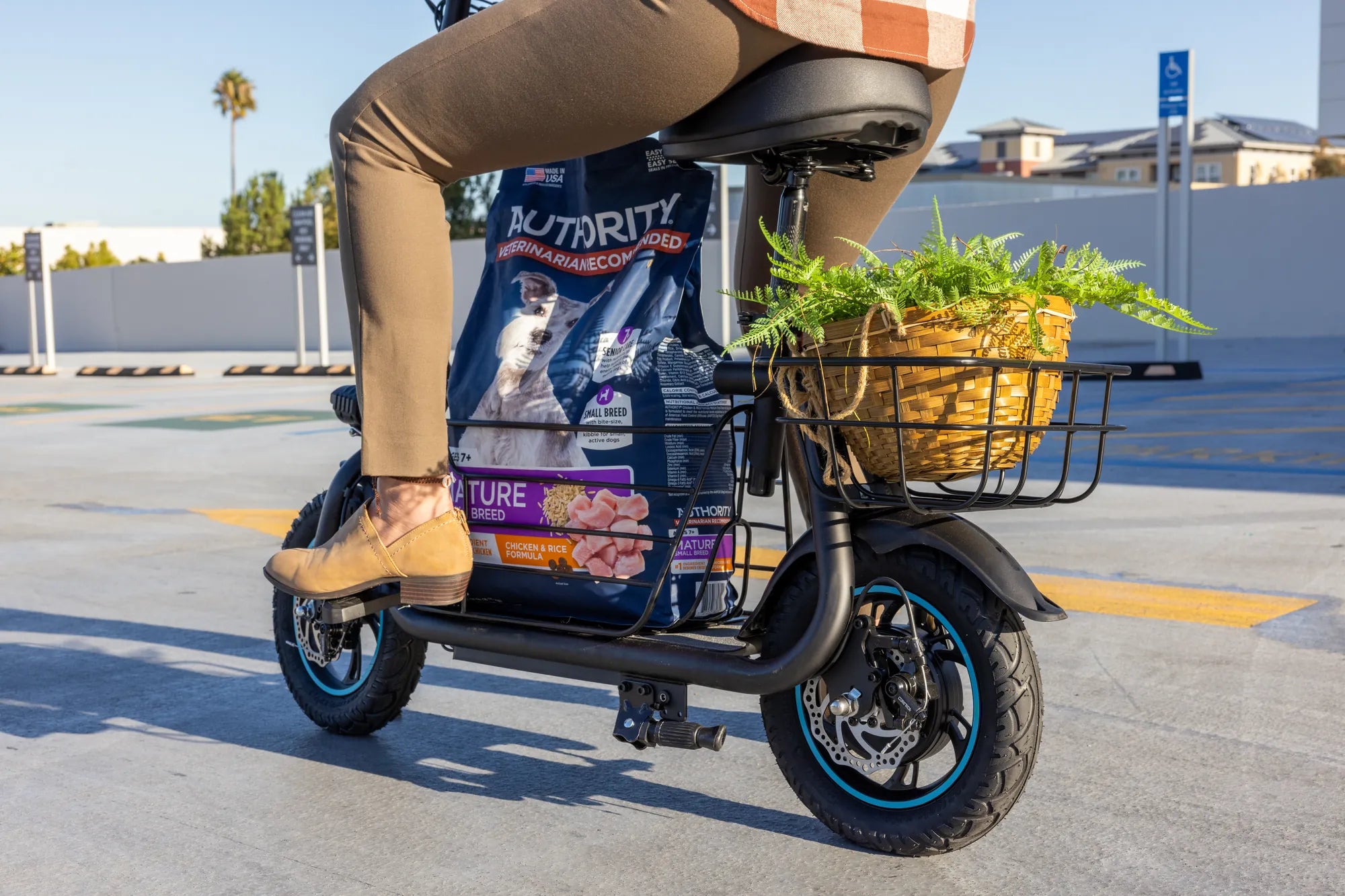
Imagine a vehicle that combines the affordability of a bicycle with the convenience of a small car, all while being eco-friendly and easy to maneuver. That’s the magic of a motorized tricycle. Whether you’re navigating crowded city streets or rough rural roads, these three-wheeled wonders are transforming the way people move. Let’s dive into why motorized tricycles are becoming a game-changer for commuters, small businesses, and eco-conscious travelers alike.
The Rise of Motorized Tricycles
Motorized tricycles have been around for decades, but recent advancements in technology and a growing demand for sustainable transportation have propelled them into the spotlight. Unlike traditional bicycles, motorized tricycles come equipped with an engine, making them ideal for longer distances or carrying heavier loads. Their three-wheel design provides stability, making them accessible to a wider range of riders, including older adults and those with mobility challenges.
Benefits of Motorized Tricycles
Affordability
One of the biggest advantages of motorized tricycles is their cost-effectiveness. They are significantly cheaper than cars or motorcycles, both in terms of initial purchase and maintenance. For many in developing countries, they serve as an affordable alternative to pricier vehicles, enabling small business owners to transport goods without breaking the bank.
Versatility
From personal commuting to commercial use, motorized tricycles are incredibly versatile. They can be customized with cargo boxes, passenger seats, or even refrigeration units for food delivery. In urban areas, they’re perfect for navigating traffic, while in rural settings, they handle unpaved roads with ease.
Eco-Friendly
With growing concerns about climate change, motorized tricycles offer a greener alternative to gas-guzzling vehicles. Many models run on electric power, producing zero emissions and reducing reliance on fossil fuels. Even gas-powered tricycles are more fuel-efficient than larger vehicles, making them a smarter choice for the environment.
Applications of Motorized Tricycles
Personal Transportation
For daily commuters, motorized tricycles provide a reliable and cost-effective way to get around. They’re especially popular among seniors or individuals with disabilities who may struggle with balance on two-wheeled bikes.
Commercial Use
Small businesses, particularly in emerging markets, rely on motorized tricycles for deliveries, mobile vending, and even public transportation. Their ability to carry heavy loads makes them indispensable for entrepreneurs.
Tourism and Recreation
In some regions, motorized tricycles are used for guided tours, offering tourists a unique way to explore local attractions. Their open design allows for better sightseeing compared to enclosed vehicles.
Challenges and Considerations
While motorized tricycles offer numerous benefits, they’re not without challenges. Safety can be a concern, especially in areas with heavy traffic or poor road conditions. Regulations regarding their use vary by region, so it’s important to check local laws before purchasing one. Additionally, battery life and charging infrastructure remain hurdles for electric models in some areas.
The Future of Motorized Tricycles
As cities become more congested and environmental regulations tighten, the demand for motorized tricycles is expected to grow. Innovations in battery technology and lightweight materials will likely make them even more efficient and accessible. Governments and urban planners are beginning to recognize their potential, integrating them into public transportation systems and last-mile delivery solutions.
Whether you’re looking for a budget-friendly commute, a tool for your small business, or a greener way to travel, motorized tricycles offer a compelling solution. Their blend of affordability, versatility, and sustainability makes them a smart choice for the future of mobility. Ready to join the revolution?
Dirt Bike Helmets for Kids: The Ultimate Safety Guide for Young Riders
3 Wheel Scooter for Adults Street Legal: The Ultimate Urban Commuter Solution