

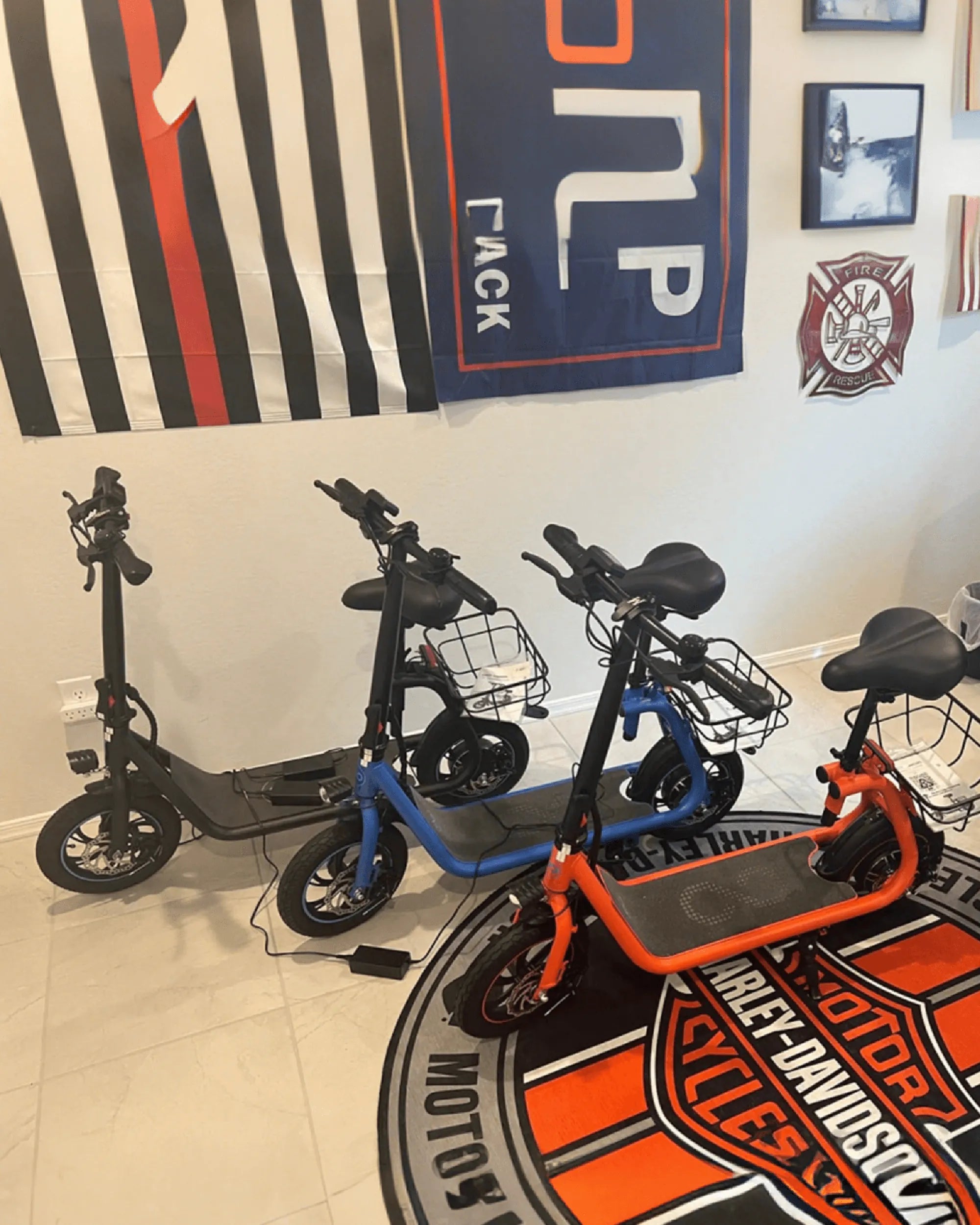
The rise of the new electric two wheeler is transforming the way we navigate cities, offering a cleaner, smarter, and more efficient alternative to traditional gasoline-powered vehicles. With urbanization accelerating and environmental concerns mounting, these innovative machines are poised to become the backbone of modern mobility. Whether you're a daily commuter or an eco-conscious rider, the allure of electric two-wheelers is undeniable. Let's dive into what makes them the future of transportation.
The Environmental Impact of New Electric Two Wheelers
One of the most compelling reasons to adopt a new electric two wheeler is its minimal environmental footprint. Unlike conventional scooters or motorcycles, electric models produce zero tailpipe emissions, significantly reducing air pollution in densely populated areas. Cities grappling with smog and carbon emissions are increasingly incentivizing electric mobility through subsidies and infrastructure development.
Beyond emissions, electric two-wheelers are also quieter, contributing to noise pollution reduction. This makes them ideal for urban environments where noise levels can impact quality of life. With renewable energy sources becoming more accessible, the carbon footprint of charging these vehicles is shrinking further, making them a truly sustainable option.
Cost Efficiency and Performance
Switching to a new electric two wheeler isn't just good for the planet—it's also kind to your wallet. Electric models have fewer moving parts than their gasoline counterparts, translating to lower maintenance costs. No oil changes, fewer brake replacements (thanks to regenerative braking), and reduced wear and tear mean long-term savings for riders.
Performance-wise, modern electric two-wheelers are no slouch. Instant torque delivery ensures quick acceleration, while advanced battery technology provides ranges that meet the needs of most urban commuters. Charging infrastructure is expanding rapidly, with many cities installing public charging stations to support the growing number of electric vehicles on the road.
Challenges and Solutions
Despite their advantages, new electric two wheelers face challenges that need addressing. Battery life and charging time remain concerns for some consumers, though advancements in solid-state batteries and fast-charging technology are mitigating these issues. Range anxiety is another hurdle, but improved battery efficiency and swappable battery systems are making it less of a deterrent.
Infrastructure is also a critical factor. While urban areas are adapting, rural regions may lag behind in charging accessibility. Governments and private companies must collaborate to build a robust network that supports widespread adoption. Incentives like tax breaks and dedicated lanes for electric vehicles can further accelerate this transition.
The Future of Electric Two-Wheelers
The new electric two wheeler market is booming, with innovations arriving at a breakneck pace. From AI-powered safety features to connected mobility solutions, the next generation of electric two-wheelers promises to be smarter and more integrated than ever. Autonomous riding capabilities and vehicle-to-grid technology are just a few advancements on the horizon.
As battery costs decline and performance improves, electric two-wheelers will become even more accessible to a broader audience. The shift toward shared mobility platforms, where users can rent electric scooters or bikes on demand, is another trend reshaping urban transportation. The future is electric, and two-wheelers are leading the charge.
Ready to join the revolution? The new electric two wheeler isn't just a vehicle—it's a gateway to a cleaner, quieter, and more efficient way of life. Whether you're looking to save money, reduce your carbon footprint, or simply enjoy a smoother ride, there's never been a better time to make the switch. The road ahead is electric, and it's waiting for you.
Beste E-Scooter Unter 400 Euro 2025: Top Affordable Picks for Urban Commuters
Best Electric Bike Under 500: Affordable and Reliable Options for Every Rider