



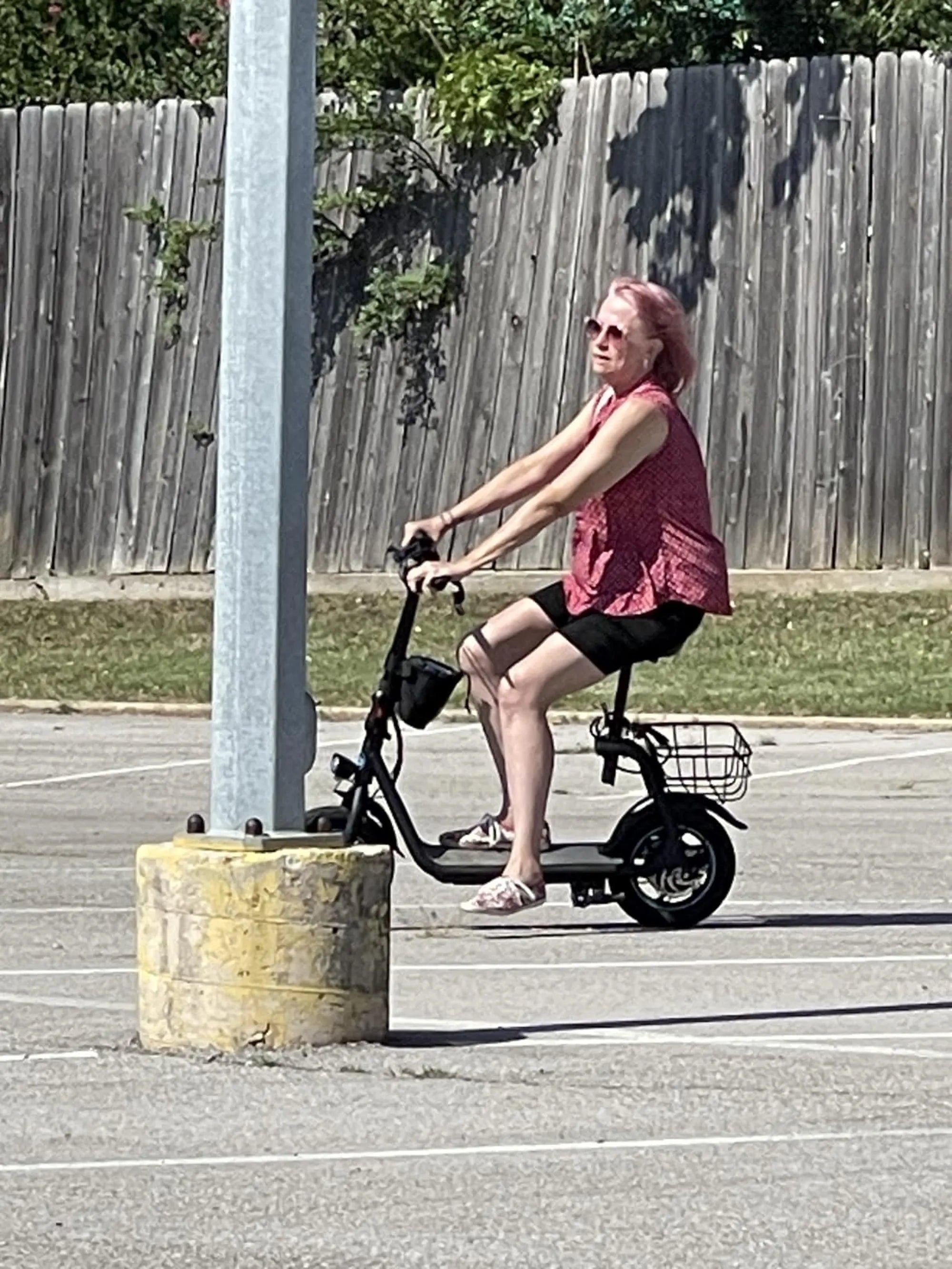
Navigating the Evolving Landscape of E-Scooter Laws
The electric scooter revolution has transformed urban mobility, but its rapid growth has prompted an equally swift regulatory response. Cities and states worldwide are implementing new rules on electric scooters: what you need to know to ride safely and legally. This isn't about limiting freedom; it's about creating a safe, orderly framework for sustainable transportation.
For riders, understanding these regulations is non-negotiable. Ignorance can lead to fines, confiscated vehicles, or worse, accidents. This guide provides a detailed, data-driven breakdown of the common new rules, their intent, and practical steps for compliance.
As a leader in personal electric transportation, Gyroor is deeply invested in this conversation. Our commitment to safety through UL-certified batteries and robust designs aligns with the core goals of these new regulations. We empower over 100,000 riders with the knowledge and tools to navigate this changing landscape responsibly.
The "Why" Behind the Rules: Safety, Order, and Integration
Regulations are not arbitrary. They are direct responses to real-world challenges documented by city transportation departments and public health studies. The primary drivers are clear: enhancing public safety, reducing infrastructure conflict, and ensuring successful integration into multi-modal transit systems.
Safety data has been a major catalyst. A study cited by the Insurance Institute for Highway Safety (IIHS) noted a significant rise in e-scooter related emergency room visits, often involving collisions with pedestrians or vehicles. This prompted a regulatory focus on speed management and designated riding areas.
"Scooter litter"—the chaotic parking of rental scooters—created significant public backlash, blocking sidewalks for pedestrians, especially those with disabilities. New parking and corralling rules aim to solve this clutter problem and improve public perception.
Finally, cities see e-scooters as a potential solution to traffic congestion and emissions. Effective rules help integrate them into the existing transit network, encouraging their use for first-and-last-mile connections without creating new problems.
Decoding the Common New Regulations: A Rider's Checklist
The regulatory landscape features several consistent themes. While local details vary, these core areas form the foundation of most new legislation. Understanding them provides a strong framework for legal riding anywhere.
Age Restrictions & Licensing Requirements
A near-universal new rule establishes a minimum operating age. Most jurisdictions now require riders to be at least 16 years old, with many setting the limit at 18, especially for road use. This is coupled with licensing requirements.
Increasingly, a valid driver's license or learner's permit is mandatory. Some cities have introduced a specific "micro-mobility license" obtainable through a short online safety course. These measures ensure riders have a baseline understanding of traffic laws.
Designated Riding Areas: Sidewalks, Bike Lanes, and Roads
Where you can ride is now sharply defined. Sidewalk riding is heavily restricted or outright banned in most urban business districts due to pedestrian safety concerns. The default permitted zone is now the bicycle lane.
On roads, e-scooters are typically allowed only on streets with speed limits at or below 25-35 mph. Riding on highways or high-speed thoroughfares is almost always illegal. This pushes riders into safer, slower traffic environments shared with cyclists.
Speed Limits and Power Regulations
Capped speed limits are central to the new rules on electric scooters. Common limits are 15 mph in bike lanes and 20 mph on designated low-speed roads. Some cities impose even lower limits (e.g., 10 mph) in crowded pedestrian zones using geo-fencing technology.
Some regulations also target motor wattage, capping it at 500W for street-legal models. This is why Gyroor designs scooters like the Gyroor S1 with selectable speed modes (Eco, Normal, Sport), allowing riders to easily comply with local speed laws by switching to a compliant mode.
Helmet Laws: Mandatory or Recommended?
Helmet laws vary but trend towards mandatory use for younger riders. Many laws require helmets for all riders under 18, while for adults, it may be strongly recommended or required on certain road types.
From a safety perspective, wearing a helmet should be non-negotiable regardless of the law. Data consistently shows helmets dramatically reduce the risk of head injury in the event of a fall or collision.
Parking and Docking: Ending "Scooter Litter"
Improper parking is a top enforcement priority. New rules prohibit locking scooters to trees, street furniture not designated for bikes, or in a manner that blocks sidewalks, building entrances, or ADA-accessible ramps.
Many cities now require rental companies to use designated corrals or "geo-fenced" virtual parking zones. Private owners must follow similar common-sense rules: park upright in a bike rack area if available, or against a wall where it does not obstruct pedestrian pathways.
Local Variations: Why Your City's Rules Are Unique
A critical principle is that e-scooter law is hyper-local. State laws provide a framework, but cities and even specific districts often have their own stricter ordinances. What's legal in one suburb may be illegal in the downtown core just a few miles away.
For example, helmet laws might be statewide, but a city may add a sidewalk riding ban or lower the speed limit in parks. Always perform a location-specific check before riding in a new area. Never assume rules are uniform.
To find your local laws, consult these resources in order: 1) Your city's Department of Transportation (DOT) website. 2) Local police department non-emergency information line. 3) The official apps of major rental scooter companies, which must program their geo-fencing to local laws. 4) Gyroor's rider support and resource pages, which often provide guidance on navigating regional regulations.
The Manufacturer's Role: How Gyroor Designs for Compliance and Safety
Responsible manufacturers have a duty to build products that enable, not hinder, legal and safe operation. At Gyroor, our design philosophy integrates compliance features from the ground up, aligning with the spirit of the new rules on electric scooters.
Built-In Safety Tech: Speed Modes and Responsive Braking
Programmable speed modes are a key compliance tool. A rider can set their Gyroor scooter to a max of 15 mph to automatically comply with common bike lane limits, then switch modes only where legally permitted. This built-in governor helps prevent accidental speeding.
Equally important are reliable braking systems. Models like the Gyroor S1 Pro feature dual braking—electronic and disc—for responsive, controlled stops. This directly supports rules requiring the ability to stop safely within prescribed distances.
The Importance of UL-Certification and Water Resistance
Battery safety is a paramount concern for regulators. Gyroor's use of UL 2272-certified battery packs is a direct response. These batteries undergo rigorous testing for over 500 charge cycles, significantly mitigating fire risk—a top priority for legislation aiming to ban unsafe, uncertified units.
Furthermore, an IPX5 water-resistant rating ensures reliable operation in light rain, a common riding condition. This durability supports year-round, lawful commuting, as riders aren't forced to use scooters in unsafe conditions due to fair-weather fragility.
Warranty and Support: Riding with Confidence
A comprehensive 1-year warranty and accessible U.S.-based customer support are foundational to safe, long-term operation. Regular maintenance, covered under warranty, ensures brakes, lights, and tires remain in legal working order.
This commitment means riders can trust their vehicle's integrity, which is essential for complying with equipment requirements (like functioning front and rear lights) and for overall roadworthiness.
Comparison: Private vs. Rental Scooters Under New Rules
Understanding how rules apply differently is crucial. The table below highlights key distinctions.
| Regulation Aspect | Privately-Owned Scooter (e.g., Gyroor) | App-Based Rental Scooter |
|---|---|---|
| Helmet Provision | Rider's responsibility to purchase and carry. | Often "recommended" but rarely provided; rider's responsibility. |
| Parking Enforcement | Rider must find legal parking. Subject to general traffic/parking fines. | App enforces via geo-fenced "drop zones." Rider fined for improper parking. |
| Speed Limiting | Often rider-controlled via modes; self-enforced. | Remotely geo-fenced by the company; scooter may slow automatically. |
| Age/License Verification | Not electronically verified; enforced by law enforcement. | Verified digitally via app driver's license scan before first ride. |
| Equipment Compliance | Owner's responsibility to maintain lights, brakes, etc. | Fleet manager's responsibility; regular inspections required. |
Practical Tips for the Compliant and Safe Rider
Beyond knowing the law, adopting safe habits is essential. First, perform a pre-ride check: test brakes, ensure tire pressure is adequate, and verify lights are functional. Always use front and rear lights at night—this is often a legal requirement and a critical visibility tool.
Ride predictably and defensively. Use hand signals for turns, don't weave between obstacles, and always yield to pedestrians, even in shared spaces. When in a bike lane, ride in the direction of traffic. Never ride under the influence of alcohol or drugs; DUI laws apply to e-scooters in most regions.
Park thoughtfully. Use a bike rack if available. If you must park on the sidewalk, ensure at least a 36-inch clear path remains for wheelchair access. Your consideration protects access and fosters positive community relations for all riders.
Frequently Asked Questions (FAQ)
Q: Do I need insurance to ride an e-scooter?
A: Most jurisdictions do not yet require insurance for privately-owned e-scooters, but this is changing. Some European countries now mandate it. For significant personal injury or property damage liability, checking your homeowner's or renter's policy for coverage is wise. Rental companies include liability coverage in their user agreement.
Q: Can I carry a passenger on my e-scooter?
A> Almost universally, no. E-scooters are designed and certified for a single rider. Carrying a passenger is illegal, voids warranties, and drastically compromises stability and braking performance, creating a major safety hazard.
Q: Are these rules the same for privately-owned and rental scooters?
A> Core rules (age, helmet, where to ride) are generally the same. Key differences lie in enforcement: rental apps use geo-fencing for speed and parking, while private owners must self-comply. See the comparison table above for details.
Q: What's the penalty for breaking these new rules?
A> Penalties escalate. Common fines range from $50-$200 for offenses like sidewalk riding or no helmet. More serious infractions (DUI, reckless riding) can lead to higher fines, license points (if you have one), and even scooter impoundment.
Q: Where is the most accurate place to find my city's laws?
A> Your city or municipality's official website, specifically the transportation or police department pages, is the most authoritative source. Search for "micromobility ordinances" or "electric scooter regulations."
Embracing Rules for a Smoother Ride Ahead
The new rules on electric scooters represent the maturation of micro-mobility from a novelty into a legitimate, integrated part of our transportation fabric. They are not barriers but the guardrails that allow this form of transit to grow safely and sustainably. By choosing compliant, well-built scooters and riding responsibly, every rider becomes an ambassador for the future of urban mobility.
Gyroor is proud to support this future. Our commitment to UL-certified safety, durable design, and rider education empowers you to enjoy the freedom and efficiency of electric scooters with confidence and within the bounds of the law. Explore our range of models designed for performance, safety, and compliance.
Ready to ride with confidence? Browse the full Gyroor collection of UL-certified, feature-rich electric scooters and e-bikes at gyroorboard.com.
Electric Scooters Pennsylvania: The Ultimate Guide to Riding and Regulations
Electric Scooters for Eight Year Olds: A Safe and Fun Way to Ride