



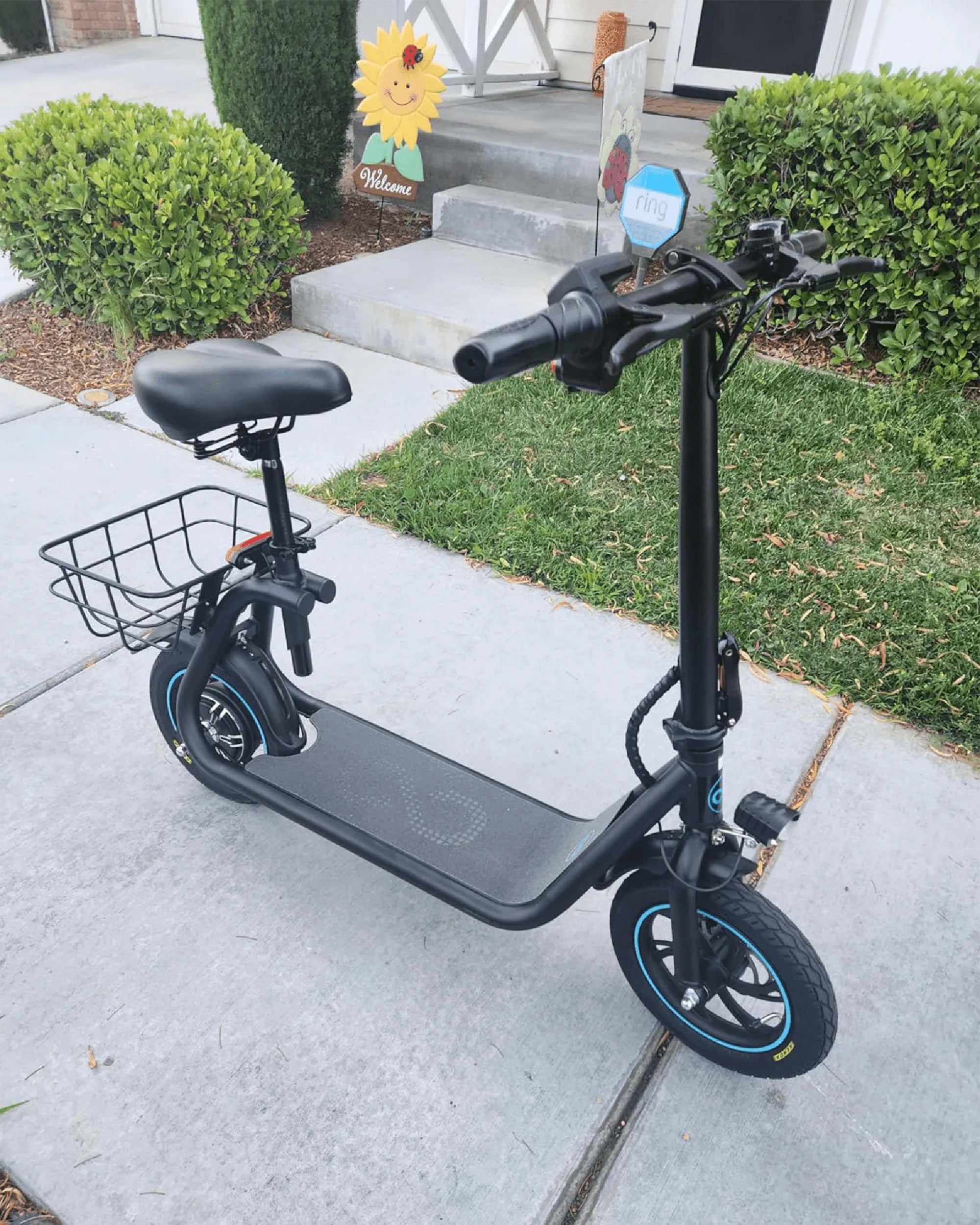
Introduction: Embracing Mobility and Freedom in Later Years
Maintaining independence and an active lifestyle is a universal desire, especially as we age. For many seniors, the challenge isn't a lack of desire to get out and about, but a need for a safe, convenient, and enjoyable mode of personal transportation. The modern electric scooter, or e-scooter, has emerged as a powerful solution, far removed from the unstable toys of the past.
Today's senior-friendly models are engineered for stability, ease of use, and safety, offering a practical way to run errands, visit friends, or simply enjoy the outdoors without relying on a car or public transit. This guide will provide a comprehensive, data-driven look at how to choose the right old people motor scooter. We'll focus on the features that matter most for safety and confidence, and highlight why trusted brands like Gyroor, known for UL-certified safety and reliable performance, are leading the way in designing for riders of all ages.
Understanding the Needs: What Makes a Scooter "Senior-Friendly"?
Not all electric scooters are created equal, especially for older riders. A senior-friendly scooter prioritizes specific engineering and design principles that address common concerns like balance, strength, and reaction time. The goal is to build confidence, not just provide transportation.
These scooters move beyond raw speed and flashy aesthetics to deliver a fundamentally stable and intuitive riding experience. The core differentiators lie in a holistic approach to safety, accessibility, and comfort, ensuring the scooter is an asset to daily life rather than a source of anxiety.
Stability and Balance: The Foundation of Confidence
Stability is the single most important factor for an older rider. It begins with a low center of gravity, achieved through strategic battery placement and frame design. A wider deck, typically 6.5 inches or more, provides a solid, reassuring platform for your feet, improving balance both while moving and when stopped.
Wheel size is equally critical. Larger wheels, such as 8.5-inch or 10-inch pneumatic (air-filled) tires, roll over cracks, bumps, and small obstacles far more smoothly than smaller, solid tires. This larger contact patch and shock absorption directly translate to a steadier ride. For those with significant balance concerns, three-wheeled scooter designs offer ultimate stability at low speeds and when coming to a complete stop, virtually eliminating the risk of tipping.
Simplicity and Intuitive Controls
A senior-friendly scooter should have a control system that is immediately understandable. The dashboard must be clear, with large, easy-to-read displays for speed and battery level. The throttle should be a responsive thumb lever or a gentle twist-grip that requires minimal pressure.
Braking systems must be intuitive and effective. A combination of electronic braking (which engages when you release the throttle) and a mechanical disc or drum brake provides redundant, reliable stopping power. Crucially, maintenance should be minimal—a key advantage over gas-powered scooters. Electric models have far fewer moving parts, meaning no oil changes, spark plugs, or carburetor cleanings.
Safety Features as Standard Equipment
Safety technology is not an optional extra; it is essential standard equipment. This includes bright front LED headlights and prominent rear brake lights to ensure visibility to others, day or night. An audible bell or horn is necessary for alerting pedestrians or cyclists.
Perhaps the most important safety feature is speed control through multiple riding modes. A dedicated beginner or eco mode that limits top speed to a gentle 5-10 mph allows new riders to build confidence in a controlled manner. This gentle start feature prevents the jerky acceleration that can be unsettling and dangerous for inexperienced riders.
Key Features to Look for in a Senior-Friendly Electric Scooter
Armed with an understanding of senior-specific needs, you can evaluate specific models using this practical, feature-focused checklist. Each point directly correlates to enhancing safety, comfort, and ease of use for an older rider.
Motor Power and Speed Modes: Gentle Power, Not Raw Speed
For urban and suburban use, a motor in the 250W to 350W range is typically more than sufficient for an old people motor scooter. The focus should be on reliable torque for smooth hill starts rather than extreme top speed. A scooter that can comfortably handle a 10-15% grade is adequate for most inclines.
The presence of at least three speed modes (e.g., Beginner, Eco, Sport) is a non-negotiable feature. The beginner mode should cap speed at a very manageable 6-8 mph, providing a safe environment to learn. The ability to progressively unlock higher speeds as confidence grows is key to long-term enjoyment and utility.
Battery Range and Ease of Charging
Range anxiety is common, but realistic needs are often modest. For most seniors, a reliable range of 10-20 miles per charge is ample for daily errands and recreational rides. It's more important to have a battery that delivers consistent performance than one with a theoretically long but unreliable range.
Ease of charging is paramount. Look for a scooter with a removable, UL-certified battery pack. This allows the user to charge the battery safely indoors at a convenient outlet without having to maneuver the entire scooter. Gyroor's models, for example, feature these removable, UL-certified packs, combining convenience with the highest standard of electrical safety.
Step-Through Design and Accessibility
The physical act of mounting and dismounting the scooter must be effortless. A step-through design—a low, flat deck with no crossbar—is essential. This design allows the rider to simply step onto the deck rather than swing a leg over a high bar, significantly reducing the risk of tripping or losing balance.
The deck height from the ground should be low, often around 4-5 inches, making it easy to place feet firmly down when stopping. This design consideration is a simple yet critical element that directly impacts daily usability and safety for an older rider.
Comfort is King: Suspension and Riding Posture
Comfort directly influences safety, as fatigue can lead to mistakes. Front or, ideally, dual suspension (front and rear) is highly recommended. It absorbs vibrations and impacts from uneven pavement, providing a smoother ride that is easier on the joints and helps maintain control.
The handlebar should promote an upright, natural riding posture. The rider should not have to lean forward uncomfortably to reach the controls. An adjustable handlebar height is a valuable feature, allowing for a perfect fit that minimizes strain on the back and shoulders during longer rides.
Why Gyroor Stands Out for Senior Riders
When evaluating brands for an old people motor scooter, trust and verified safety are paramount. Gyroor's design philosophy and product specifications align precisely with the needs of senior riders, offering peace of mind through engineering and customer support.
With over 100,000 riders across North America and Europe and a 4.5/5 average customer rating, Gyroor has built a reputation for reliability. Their focus on core safety features, rather than just performance specs, makes their scooters a prudent choice for older adults and their families.
UL-Certified Battery: The Cornerstone of Safety and Peace of Mind
The lithium-ion battery is the heart of an electric scooter, and its safety cannot be compromised. Gyroor uses UL-certified battery packs across its lineup. UL certification is the gold standard, indicating the battery has undergone rigorous independent testing for electrical, fire, and mechanical safety.
For a senior rider or a concerned family member, this certification is a critical data point. It mitigates the primary worry associated with lithium batteries and allows the rider to charge confidently, whether the battery is in the scooter or removed for indoor charging. This focus on foundational safety is what distinguishes a responsible brand.
IPX5 Water Resistance: Confidence in All Conditions
Weather can be unpredictable. An IPX5 water-resistance rating means the scooter's electrical components are protected against water jets from any direction. In practical terms, this allows a rider to confidently navigate damp roads, ride through unavoidable puddles, or get caught in a light rain without immediate fear of damaging the scooter's core systems.
This feature adds a layer of practical reliability, ensuring that a change in weather doesn't strand the rider or lead to costly repairs. It's an example of designing for real-world conditions, not just ideal ones.
Warranty and Support: Riding with a Safety Net
The commitment to the customer extends beyond the sale. Gyroor backs its products with a comprehensive 1-year warranty, covering manufacturing defects. More importantly, they provide accessible customer support.
Knowing that help is available from a US-based team if any issues arise significantly reduces the anxiety associated with a new technology purchase. This safety net ensures that the investment in mobility is protected, allowing the rider to focus on enjoyment rather than potential "what-ifs."
Getting Started: Tips for a Safe and Joyful First Ride
Selecting the right scooter is the first step. Properly learning to use it is the next. Following a structured approach to the first few rides builds muscle memory and confidence, setting the stage for a lifetime of safe use.
Finding the Right Fit and Pre-Ride Checklist
Before your first ride, ensure the scooter fits you. Adjust the handlebar to a height where your arms are slightly bent and relaxed. Perform a quick pre-ride check: verify tire pressure is correct (for pneumatic tires), ensure the battery is adequately charged, test that the headlight and brake light function, and confirm the brakes engage smoothly.
Wear sturdy, closed-toe shoes with good grip. Avoid loose clothing that could catch on the scooter. This simple 60-second ritual becomes a habit that ensures every ride starts safely.
Mastering the Basics in a Safe Environment
Your first rides should occur in a flat, smooth, and empty space—a parking lot on a weekend is ideal. Start with the scooter powered off. Practice getting on and off, finding your balanced stance with both feet on the deck. Then, power it on, ensuring it is in the slowest beginner mode.
Practice gentle acceleration using the thumb throttle, focusing on smooth starts. Practice braking to a complete stop, using both the electronic brake (by releasing the throttle) and the manual brake lever. Practice wide, gentle turns. Spend at least 30-60 minutes in this controlled environment before venturing onto paths.
Essential Safety Gear and Riding Etiquette
A helmet is non-negotiable. For seniors, consider a lightweight, well-ventilated model designed for urban cycling or skateboarding. It should fit snugly without being uncomfortable. Elbow and knee pads can provide additional protection, especially in the learning phase.
Understand local laws. Typically, electric scooters are allowed on bike paths and roads with speed limits under 25-35 mph, but sidewalk legality varies by municipality. Always yield to pedestrians, use your bell politely to alert others before passing, and use hand signals for turns. Ride defensively and assume drivers may not see you.
Comparison: Senior Scooter Features at a Glance
This table summarizes how key features directly address the needs of an older rider, using general specifications found in senior-focused models like those from Gyroor.
| Feature Category | Ideal Specification for Seniors | Benefit to the Older Rider |
|---|---|---|
| Motor & Speed | 250W-350W motor with 3+ speed modes (Beginner mode ≤8 mph) | Controllable power, builds confidence, prevents jerky starts. |
| Battery & Charging | 10-20 mile range, Removable, UL-Certified battery | Meets daily needs, enables safe indoor charging, ensures fire safety. |
| Stability Design | Low deck, step-through frame, 8.5"+ pneumatic tires | Easy mount/dismount, stable platform, smooths over bumps. |
| Safety Tech | Bright LED lights, electronic + disc brakes, bell/horn | High visibility, reliable stopping, ability to alert others. |
| Comfort & Usability | Front or dual suspension, upright handlebars, IPX5 rating | Reduces joint impact, prevents back strain, allows riding in damp conditions. |
| Warranty & Support | 1-year comprehensive warranty, accessible support | Protects investment, provides peace of mind and help if needed. |
Frequently Asked Questions (FAQ)
Is an electric scooter safe for an 80-year-old?
Safety depends on the individual's mobility, balance, and cognitive awareness, as well as the scooter's design. For an active 80-year-old with good balance, a senior-focused scooter with high stability features, a very low speed mode, and proper safety gear can be a safe and liberating option. A medical consultation is always advised if there are health concerns.
What is the maximum weight capacity I should look for?
Always choose a scooter with a maximum weight capacity that exceeds your body weight by a comfortable margin (e.g., 50+ lbs). Most quality senior-friendly models have capacities of 220-265 lbs. Exceeding the limit compromises stability, braking performance, and motor/battery life, creating a safety hazard.
How far can I realistically travel on one charge?
The advertised range is a best-case scenario. Realistically, factor in rider weight, hills, frequent stops/starts, and temperature. For planning, take the manufacturer's range and reduce it by 25-30%. A scooter rated for 15 miles will reliably provide 10-12 miles of real-world use, which covers multiple short trips or a longer recreational ride.
Are these scooters difficult to maintain?
Electric scooters require significantly less maintenance than gas models. Routine care involves checking tire pressure, ensuring bolts are tight, keeping the scooter clean and dry, and proper battery care (avoiding full discharges, storing in moderate temperatures). There is no engine, oil, or complex transmission to service.
Can I ride it if I have minor balance issues?
Scooters with a very low center of gravity, wide decks, and large pneumatic tires can accommodate minor balance issues. However, they require active balancing while in motion. If standing for extended periods is difficult, a mobility scooter (with a seat) is a more appropriate choice. For minor issues, practice in a safe area is essential, and a three-wheeled standing scooter could be a viable option.
Redefining Independence on Your Terms
Choosing the right old people motor scooter is about more than purchasing a vehicle; it's an investment in autonomy, joy, and connection. The ideal model seamlessly blends into your life, removing transportation barriers and adding a new dimension of freedom. By prioritizing verified safety certifications like UL for the battery, practical features like step-through design and speed modes, and the security of a strong warranty, you transform a simple decision into a long-term enhancement of your lifestyle.
The data is clear: scooters built with stability, intuitive controls, and senior-specific needs in mind empower riders to explore their communities confidently. Brands that transparently commit to these principles, such as Gyroor with its focus on UL-certified components and rider-focused support, provide the trustworthy foundation needed for this journey. Assess your personal needs against the features outlined here, prioritize safety and comfort over sheer speed, and take the first step toward a more mobile and independent future.
Ready to explore models that put safety and stability first? Browse the full Gyroor collection of UL-certified, senior-friendly electric scooters at gyroorboard.com.
Mobility Scooter Under 400: Your Guide to Affordable Independence
Lightweight Boys Bike: The Ultimate Guide to Choosing the Right Ride