



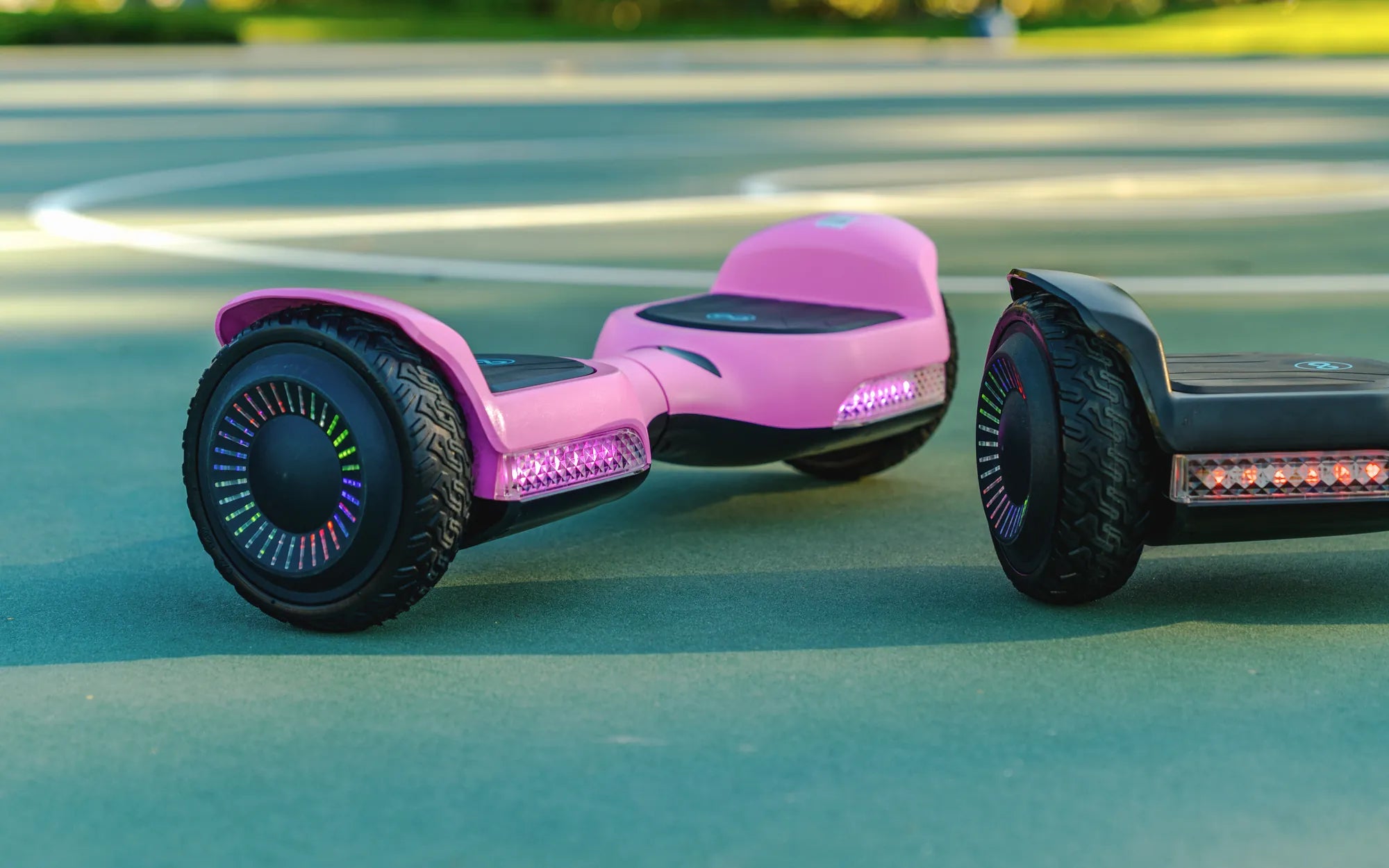
Imagine the sight of a giggling one-year-old gliding effortlessly on a hoverboard—adorable, thrilling, and slightly nerve-wracking for parents. While hoverboards have become a popular gadget for older kids and adults, the idea of a toddler riding one raises eyebrows. Is it safe? What are the risks? And how can parents ensure their little one enjoys the experience without harm? Let’s dive into the world of hoverboards for toddlers and uncover the essentials every parent should know.
The Appeal of Hoverboards for Young Children
Hoverboards, with their sleek design and futuristic appeal, captivate people of all ages. For toddlers, the attraction lies in the movement and the novelty of balancing on a self-propelled device. Parents often wonder if their one-year-old can join in the fun, especially if older siblings are already riding. However, the question isn’t just about fun—it’s about safety.
Safety Concerns for One-Year-Olds on Hoverboards
The primary concern is whether a hoverboard is appropriate for a child so young. Most hoverboards are designed for users aged eight and up, with weight and balance requirements that toddlers simply can’t meet. A one-year-old lacks the motor skills, coordination, and reflexes to control a hoverboard safely. Even with parental supervision, the risk of falls, collisions, or sudden movements is high.
Physical Risks
Toddlers are still developing their balance and muscle strength. A hoverboard’s sudden movements or tilts can easily throw them off, leading to injuries like bruises, sprains, or even fractures. The speed of a hoverboard, though adjustable, can be too much for a young child to handle.
Developmental Considerations
At one year old, children are just learning to walk or run. Introducing a hoverboard too early might hinder their natural development of gross motor skills. Pediatricians often recommend activities that encourage crawling, walking, and climbing over mechanical devices.
Parental Guidance and Alternatives
If you’re determined to introduce your toddler to a hoverboard-like experience, consider safer alternatives. Push-along ride-on toys or low-speed, battery-operated cars with parental controls can provide similar thrills without the risks. Always prioritize toys labeled for their age group and ensure they meet safety standards.
Supervision Is Key
Never leave a one-year-old unattended on any moving device. If you choose to let your toddler try a hoverboard, hold their hands and keep the speed at the lowest setting. Use protective gear like helmets, knee pads, and elbow pads to minimize injury risks.
What Experts Say
Pediatricians and child safety experts overwhelmingly advise against hoverboards for children under five. The risks far outweigh the benefits, and there are plenty of other ways to engage a toddler’s sense of adventure safely. Stick to age-appropriate toys and save the hoverboard for when they’re older.
Legal and Manufacturer Guidelines
Most hoverboard manufacturers explicitly state that their products are not for children under eight. Ignoring these guidelines can void warranties and increase liability in case of accidents. Always check the manufacturer’s recommendations before allowing your child to use any electronic toy.
Fun Without the Risk
There’s no shortage of exciting activities for one-year-olds that don’t involve hoverboards. From playground swings to interactive push toys, toddlers can enjoy movement and exploration in safer ways. Focus on activities that support their development while keeping them entertained.
Watching a one-year-old on a hoverboard might seem like a cute viral moment, but the potential dangers are real. As parents, our job is to balance fun with safety, ensuring our little ones grow up happy and unharmed. So, save the hoverboard for later years and cherish the simpler, safer joys of toddlerhood today.
10 Inch Hoverboard Parts: The Ultimate Guide to Maintenance and Upgrades
What's Better Than a Hoverboard? Exploring the Future of Personal Transportation