

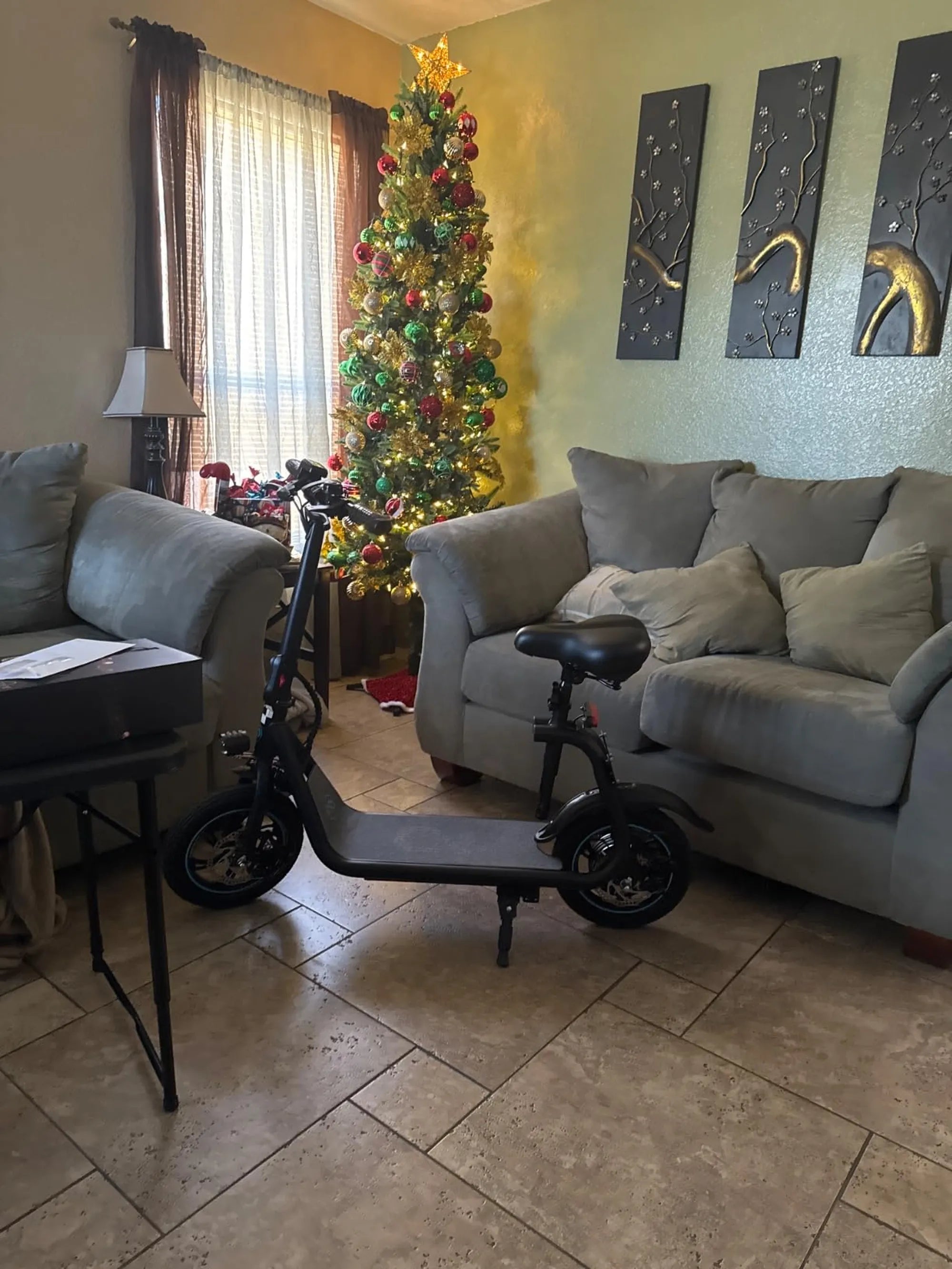
Knowing the core parts for electric scooters transforms you from a casual rider into an empowered owner. This knowledge is essential for making informed purchases, performing basic maintenance, troubleshooting issues, and ensuring your safety on every ride. This guide will dissect every major component, explaining its function, common specifications, and how quality engineering directly impacts your scooter's performance, range, and durability. We'll reference industry benchmarks and highlight why components like UL-certified batteries and robust frames are non-negotiable for reliable performance.
Introduction to Electric Scooter Anatomy
An electric scooter is a sophisticated integration of electrical, mechanical, and structural systems. Each part, from the hidden controller to the handlebar grips, plays a specific role in delivering a smooth, safe, and efficient ride. Understanding this anatomy is the first step toward proper care and informed decision-making.
Regular maintenance and occasional part replacement are inevitable with any vehicle. By familiarizing yourself with key components, you can identify wear and tear early, source compatible replacements, and communicate effectively with service technicians. This proactive approach saves money and prevents minor issues from becoming major failures.
For brands committed to quality, like Gyroor, the choice of components is foundational. A leading electric scooter and e-bike brand trusted by over 100,000 riders across North America and Europe, Gyroor builds its models around core principles: UL-certified batteries for safety, IPX5 water-resistant designs for resilience, and a reliable 1-year warranty for peace of mind. These features are the result of selecting superior parts for electric scooters.
The Power Core: Battery, Motor, and Controller
The drivetrain is the heart of your electric scooter, comprising the battery, motor, and controller. These three parts for electric scooters work in concert to convert stored electrical energy into physical motion. Their quality and compatibility dictate your scooter's top speed, acceleration, hill-climbing ability, and maximum range.
A mismatch or low-quality component in this triad leads to poor performance, reduced efficiency, or even system failure. Investing in a scooter with a well-engineered power core ensures consistent performance and longevity, making it the most critical area to evaluate before purchase.
The Battery: Heart of Your Ride
The battery pack is the energy reservoir. Modern scooters exclusively use lithium-ion batteries due to their high energy density and relatively long lifespan. Key specifications are voltage (V) and amp-hour capacity (Ah), which together (V x Ah) give watt-hours (Wh), a true measure of total energy.
A higher Wh rating generally translates to a longer potential range. However, real-world range is also affected by rider weight, terrain, temperature, and riding style. The most critical aspect is battery safety and certification. UL-certified battery packs, like those used across Gyroor's lineup, undergo rigorous testing for stability, charging cycles, and short-circuit protection, significantly reducing fire risk.
The Motor: Delivering the Thrust
The motor is the component that creates rotational force. Most scooters use brushless hub motors for their reliability and efficiency, integrated into either the front or rear wheel. Motor power is rated in watts (W), with higher wattage typically enabling better acceleration and hill-climbing torque.
A 350W motor is suitable for flat urban commutes, while models with 500W or more handle moderate inclines more comfortably. The motor's placement also affects handling; rear-wheel drive offers better traction during acceleration, especially on hills, as the rider's weight shifts backward.
The Controller: The Electric Brain
Often overlooked, the controller is the computer that manages all electronic functions. It regulates the power flow from the battery to the motor based on input from the throttle and brake sensors. The quality of the controller's firmware determines ride smoothness, acceleration curve, and the effectiveness of features like regenerative braking.
A well-tuned controller delivers power progressively, preventing jerky starts. It also protects the battery and motor from voltage spikes and overloads. This component is a key differentiator between a refined, reliable ride and a choppy, unpredictable one.
The Framework: Deck, Stem, Handlebars, and Folding Mechanism
The structural framework determines the scooter's durability, ride comfort, and portability. These parts for electric scooters bear the rider's weight and absorb shocks from the road. They are typically constructed from aerospace-grade aluminum alloys, offering an optimal balance of strength and lightweight design.
A robust frame is non-negotiable for safety. Fatigue or failure in the stem or deck can lead to catastrophic accidents. Furthermore, the design and build quality of the folding mechanism are paramount for scooters marketed as portable, as a secure latch is vital for safe riding.
Deck and Foot Platform
The deck is your standing platform. Its width and length influence stability and comfort, especially for riders with larger feet. The surface is covered with grip tape or a rubberized mat to prevent slipping. A wider deck provides a more confident stance, while a longer deck can offer a more comfortable riding posture for longer journeys.
The deck also houses the battery pack and controller on many models. Its construction must protect these sensitive components from impacts and moisture. A deck with inadequate sealing or weak materials compromises the scooter's core electronics.
Stem, Handlebars, and Grips
The stem connects the handlebars to the front wheel and deck. It must be incredibly rigid to ensure precise steering input. On folding models, the stem incorporates the primary latch mechanism. Handlebars should be at a comfortable height and width for the rider, and they often integrate the throttle, brake levers, and display.
Ergonomic, non-slip grips are essential for maintaining control, especially in wet conditions or during long rides. Worn or hard grips reduce comfort and can lead to hand fatigue, indirectly affecting safety.
The Folding Mechanism
This is a critical safety component on portable scooters. It usually consists of a robust latch, a locking pin, and sometimes a secondary safety lock. The mechanism must engage with a solid, audible click and show no play or wobble when locked.
This component requires regular inspection. Dust, dirt, and metal fatigue can compromise its integrity. A failure while riding is extremely dangerous, underscoring the need for a high-quality mechanism from a reputable manufacturer.
Safety and Control Systems: Brakes, Tires, and Lights
These components are your direct interface with the road and are crucial for safe operation in all conditions. Compromising on brakes, tires, or lights significantly increases riding risk. Understanding the different types helps you choose a scooter suited to your environment and maintain it properly.
For instance, disc brakes offer superior stopping power in wet weather compared to drum brakes, while pneumatic tires provide better shock absorption than solid ones. A comprehensive lighting system, including a bright headlight, taillight, and brake light, is essential for being seen by others, not just for you to see the path.
Braking Systems: Disc, Drum, and Electronic
Most scooters use a combination of braking systems. Mechanical disc brakes provide strong, consistent stopping power and are easier to maintain and replace than drum brakes. Drum brakes are fully enclosed, protecting them from the elements, but can overheat on long descents.
Many models also feature electronic braking (E-ABS) or regenerative braking. While these systems help slow the scooter and can marginally recharge the battery, they should never be relied upon as the primary stopping method. A dual mechanical brake system (front and rear) is the gold standard for safety.
Tires: Air-Filled vs. Solid
This is a major comfort and maintenance trade-off. Pneumatic (air-filled) tires offer superior shock absorption, providing a smoother ride over bumps and cracks. However, they are susceptible to punctures and require periodic pressure checks.
Solid (airless) tires eliminate puncture flats entirely but transmit far more road vibration to the deck and rider, leading to a harsher ride and potentially fatiguing the scooter's frame over time. Some premium models use honeycomb-style solid tires to mitigate this, offering a middle ground.
Lighting and Electronic Displays
Front and rear lights are vital for visibility. A bright LED headlight illuminates your path, while a taillight with an integrated brake light (that brightens when braking) alerts traffic behind you. Side reflectors or deck lighting further increase visibility.
The display console, typically mounted on the handlebars, shows essential data: current speed, battery level (often in segments), riding mode (Eco, Normal, Sport), and sometimes trip distance or error codes. A clear, bright display is crucial for monitoring your ride status without distraction.
Protection and Longevity: Fenders, Water Resistance, and Warranty
Components that protect the scooter from the elements directly contribute to its longevity and reliability. Riding through puddles, in light rain, or on dusty paths is inevitable for many commuters. A scooter built with these conditions in mind will require less frequent repairs and maintain its performance longer.
Features like full-length fenders, proper cable routing, sealed bearings, and a stated water-resistance rating are indicators of a scooter designed for real-world use. Coupled with a strong warranty, these elements represent a manufacturer's confidence in their product's durability.
Fenders and Mudguards
These are simple yet vital parts for electric scooters. Effective front and rear fenders prevent water, mud, and road grime from being sprayed onto the rider and, more importantly, onto the scooter's mechanical and electrical components. A short fender is almost useless in wet conditions.
Look for fenders that extend a meaningful distance over the tires and are made of durable, flexible plastic. They should be securely mounted to avoid rattling or breaking off from vibration.
The Importance of IP Ratings
An IP (Ingress Protection) rating indicates a device's resistance to solids and liquids. For scooters, the liquid resistance is most relevant. A rating like IPX5, which is a standard for Gyroor models, means the scooter is protected against water jets from any direction.
This does not mean it's submersible, but it can safely handle riding in heavy rain or through deep puddles. This rating protects the battery compartment, controller, and motor from water damage, which is a leading cause of electrical failure in lower-quality scooters.
The Role of a Comprehensive Warranty
A warranty is a critical "part" of your purchase. It is the manufacturer's guarantee that the components are free from defects in materials and workmanship. Gyroor's reliable 1-year warranty provides assurance that if a key part like the motor or controller fails under normal use, it will be repaired or replaced.
A strong warranty reflects a brand's confidence in its supply chain and assembly quality. It's essential to understand what is covered (e.g., the battery is often covered for a shorter period) and the process for making a claim.
Maintenance Essentials and Sourcing Parts
Regular maintenance is the key to extending the lifespan of all parts for electric scooters. A simple, consistent checklist can prevent most common issues. This includes checking tire pressure (for pneumatic tires), ensuring all bolts and nuts (especially on the stem and folding mechanism) are tight, inspecting brake pads for wear, and cleaning the scooter to prevent dirt buildup.
When a part does fail, sourcing the correct replacement is crucial. Using incompatible or low-quality parts can damage other components and void your warranty. Always prioritize parts from the original manufacturer or certified third-party suppliers that specify compatibility with your exact scooter model.
When to DIY vs. Seek Professional Service
Simple tasks are well within a DIY owner's capability. These include replacing grip tape, changing a tire tube, adjusting brake calipers, tightening hardware, and cleaning. Basic tools and online tutorials are usually sufficient.
However, complex electrical or structural work should be left to professionals. This includes any internal repair to the battery pack, motor, or controller, as well as issues with the stem welding or folding mechanism integrity. If your scooter is under warranty, attempting these repairs yourself will almost certainly void the coverage.
Electric Scooter Parts Comparison Table
| Component | Type / Specification | Performance Impact | Maintenance Note |
|---|---|---|---|
| Battery | Lithium-ion, 36V-52V, 10Ah-20Ah+ | Determines range (Wh = V x Ah). UL-certification is critical for safety. | Avoid full discharges. Store in cool, dry place. Replace every 2-4 years with heavy use. |
| Motor | Brushless Hub, 350W-1000W+ | Wattage affects acceleration & hill climb. Rear-wheel drive offers better traction. | Very low maintenance. Keep free of debris. Listen for unusual grinding noises. |
| Brakes | Mechanical Disc, Drum, Electronic | Disc brakes offer best stopping power, especially in wet conditions. | Check pad wear monthly. Adjust cable tension. Bleed hydraulic lines annually if equipped. |
| Tires | Pneumatic (8.5"-10") vs. Solid | Pneumatic: smoother ride, puncture risk. Solid: harsh ride, no flats. | Check air pressure weekly (for pneumatic). Inspect for cuts/wear. Ensure valve stem is secure. |
| Water Resistance | IP Rating (e.g., IPX4, IPX5) | IPX5 allows riding in rain/puddles. Protects internal electronics from water damage. | Do not submerge scooter. Dry connectors after wet rides. Re-apply dielectric grease to seals periodically. |
Frequently Asked Questions (FAQ)
What is the most important part of an electric scooter?
While all parts for electric scooters are important, the battery is arguably the most critical. It dictates your range, represents a significant portion of the scooter's cost, and, if poorly made, poses a safety hazard. Always prioritize scooters with certified, high-quality battery packs from reputable brands.
How often should I replace the brake pads?
Brake pad wear depends heavily on riding style, terrain, and brake type. Inspect them visually every month. If the pad material is worn down to less than 1-2mm thick, or if braking performance significantly decreases, it's time for replacement. Aggressive riders in hilly areas may need new pads every few months.
Can I upgrade my scooter's battery for more range?
Potentially, but it's complex. You must ensure the new battery's voltage matches the motor and controller's specifications. The physical size must fit the deck compartment, and the connector type must be compatible. An incorrect upgrade can damage the electronics or create a fire risk. Consult the manufacturer or a specialist technician first.
What does an IPX5 water resistance rating mean?
An IPX5 rating means the scooter's enclosure is protected against water jets (6.3mm nozzle) from any direction. It is suitable for riding in rain and through puddles. It is not waterproof for submersion. This rating is a key feature for commuters and a hallmark of durable, real-world-ready scooters like those from Gyroor.
Where can I buy genuine replacement parts?
The safest source is directly from the original manufacturer's website or authorized dealers. For Gyroor scooters, this means visiting gyroorboard.com or their official storefronts. This guarantees compatibility, maintains any remaining warranty, and ensures you receive parts that meet the original safety and performance standards.
Conclusion: Investing in Knowledge and Quality
Understanding the intricate ecosystem of parts for electric scooters is the ultimate tool for any rider. It empowers you to choose a scooter that matches your needs, perform routine maintenance that prevents costly repairs, and identify issues before they compromise your safety. Your choice in a scooter is ultimately a choice in the sum of its components.
Investing in a brand that prioritizes quality from the ground up—with UL-certified batteries, robust IP-rated construction, and a trustworthy warranty—ensures that every essential component is designed for optimal performance and longevity. This knowledge turns a simple purchase into a smart investment in reliable, safe, and enjoyable personal transportation.
Ready to explore scooters built with these essential quality components in mind? Browse the full Gyroor collection, featuring models with certified batteries, water-resistant designs, and comprehensive support, at gyroorboard.com.
Electric Scooters Stores: The Ultimate Guide to Finding Your Perfect Ride
Cheap Fast Electric Scooters: Your Guide to Affordable Speed