



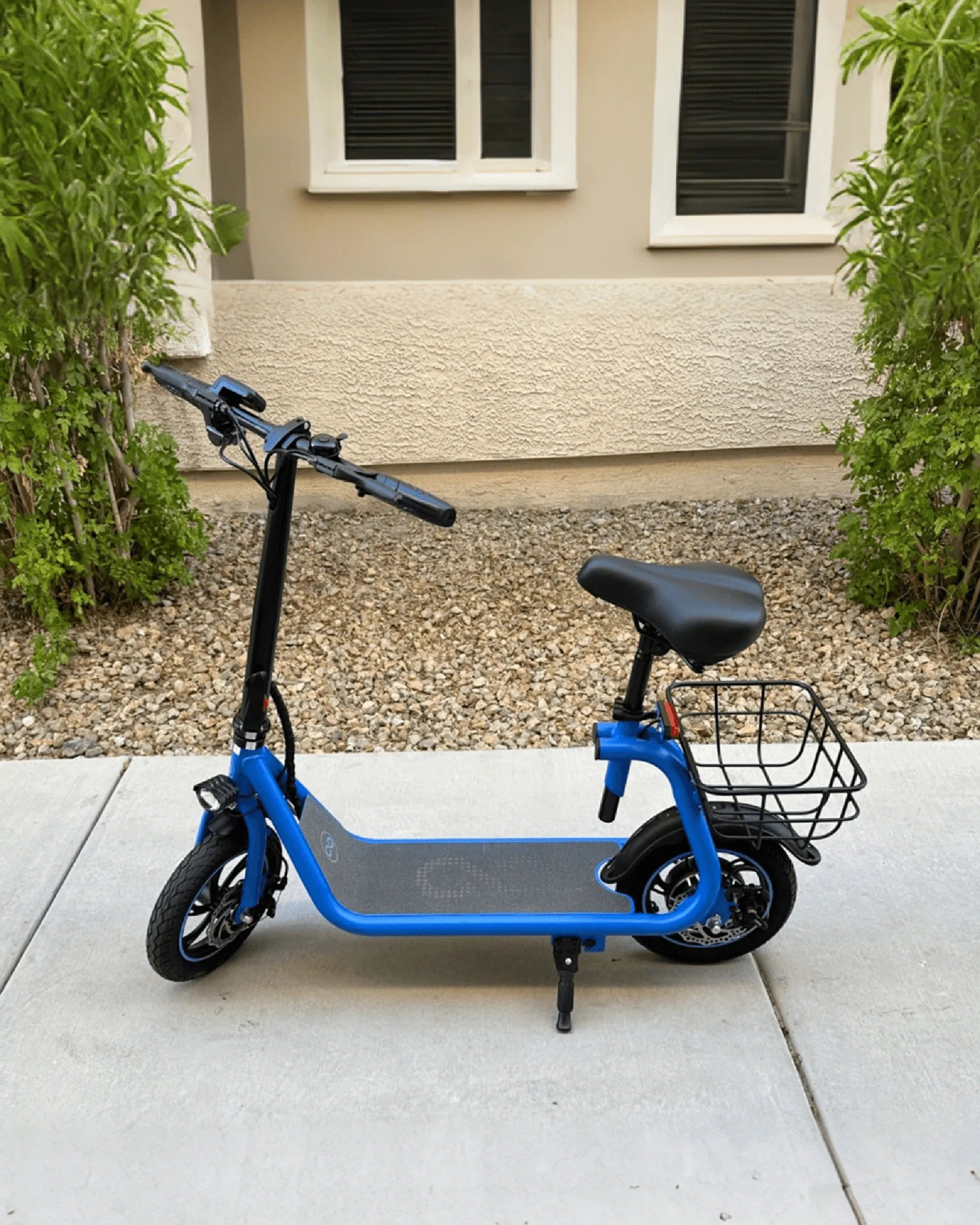
Introduction to Performance E-Bikes
A performance e-bike is engineered for riders who demand more than basic transportation. It transcends the standard electric bicycle by prioritizing power, speed, handling, and durability for intensive, dynamic use. These machines are built for enthusiasts, aggressive commuters, and adventure seekers who view the electric assist as a tool to amplify their riding experience, not just simplify it.
Unlike casual models, a true performance e-bike integrates high-output components designed to work in harmony under stress. This segment focuses on sustained power delivery, precise control at higher speeds, and resilience against demanding conditions. Brands that cater to this market, like Gyroor, focus on these engineering principles to deliver machines that perform reliably when pushed to their limits.
This guide will dissect the anatomy of a performance e-bike. We will explore the critical components that define the category, examine real-world applications, and provide a framework for making an informed purchase. Understanding these distinctions is crucial for any rider looking to invest in a high-caliber electric bicycle.
You will learn how motor specifications translate to real-world acceleration, why battery certification matters for safety during high-load use, and how frame geometry impacts stability. This knowledge empowers you to look beyond marketing claims and evaluate an e-bike's true performance potential.
Key Features That Define a True Performance E-Bike
Distinguishing a performance e-bike from a standard model requires examining specific, non-negotiable features. These elements work together to create a riding experience characterized by responsiveness, reliability, and control. The absence of any can significantly compromise the bike's capability under demanding conditions.
Performance is holistic; it's not solely about top speed. It encompasses how quickly that speed is achieved, how well it is maintained on an incline, how confidently the bike stops, and how comfortably it handles rough surfaces. Each component subsystem must be upgraded to meet higher standards.
We will break down these subsystems into four core pillars: the powertrain (motor and battery), the chassis (frame), and the control systems (brakes and suspension). Evaluating an e-bike against these pillars provides a clear, objective measure of its performance pedigree. This framework is essential for comparing models and understanding where manufacturers invest in quality.
Riders should prioritize these features based on their primary use case. A hill-climbing commuter will value torque and braking, while a trail rider will prioritize suspension travel and durability. However, all performance e-bikes share a foundation built upon these enhanced components.
Motor Power and Torque: The Heart of Performance
The motor is the definitive component of a performance e-bike. While entry-level models may feature 250W to 500W motors, performance e-bikes typically start at 750W and can exceed 1000W. This increased wattage directly translates to higher potential top speeds and, more importantly, greater power for acceleration.
Torque, measured in Newton-meters (Nm), is arguably more critical than wattage for performance riding. High torque (often 80 Nm and above) provides the immediate, forceful push needed for rapid starts from a stoplight and confident climbing of steep hills. It's the feeling of instant, surging power that defines the thrilling aspect of a performance e-bike.
Motor placement also influences performance. Mid-drive motors, positioned at the bike's crank, leverage the bicycle's gears, making them exceptionally efficient for hill climbing and providing a natural, balanced feel. High-performance hub motors offer simplicity and direct power delivery, often at a lower cost for a given power rating.
A performance-grade motor is designed for sustained high-load operation without overheating. It should be paired with a robust controller that manages power delivery smoothly, preventing jerky acceleration and protecting the electrical system. This engineering ensures consistent performance ride after ride.
Battery Technology and Range Under Load
A high-power motor is useless without a high-capacity, high-performance battery to feed it. Performance e-bikes require large battery packs, typically measured in Watt-hours (Wh). A common range for performance models is 672Wh to 1,000Wh or more. This capacity ensures sufficient range even when the motor is used aggressively.
More than just capacity, battery quality is paramount. During high-power draws (hard acceleration, hill climbing), inferior batteries can experience significant voltage sag, causing a sudden drop in power output. Performance batteries use high-quality lithium-ion cells with robust Battery Management Systems (BMS) to maintain stable voltage.
Safety is non-negotiable. UL certification for the battery pack, like those used by Gyroor, indicates rigorous testing for electrical, mechanical, and environmental safety. This certification is critical given the high energy densities and power demands of performance e-bikes, providing peace of mind for the rider.
Real-world range is a key consideration. While a manufacturer may advertise a 50-mile range, that figure is often based on eco mode on flat ground. A performance e-bike's usable range under sport or turbo modes, in hilly terrain, will be less. Look for brands that provide transparent, realistic range estimates based on different power levels.
Frame Design and Build Quality
The frame is the skeleton that ties all performance components together. It must be stiff enough to handle high torque without flex, yet designed to manage vibrations for rider comfort. Lightweight aluminum alloy is the standard for performance frames, offering an excellent strength-to-weight ratio; carbon fiber appears in premium models for ultimate weight savings.
Geometry plays a crucial role in handling. Performance e-bikes often feature a more aggressive, forward-leaning geometry that improves aerodynamics and puts the rider in a position for powerful pedaling and precise control. The wheelbase (distance between axles) affects stability at high speed versus agility in corners.
Integration is a mark of quality design. A performance frame will have clean internal cable routing to protect components and reduce drag. It should also offer secure, reinforced mounting points for the battery, often integrating it into the downtube for a sleek look and a low, centered center of gravity that improves handling.
Build quality extends to welding, finish, and component alignment. A well-built frame from a reputable manufacturer ensures longevity and reliability, which is essential when the bike is subjected to the stresses of high-speed travel, jumps, or rough trails. This durability is a core aspect of a true performance machine.
Advanced Braking and Suspension Systems
With increased speed and power comes an absolute requirement for superior stopping power. Mechanical disc brakes are inadequate for sustained performance use. Hydraulic disc brakes are the definitive standard for performance e-bikes, offering more powerful, consistent, and modulation-friendly braking with less hand fatigue.
Hydraulic systems self-adjust for pad wear and are largely unaffected by weather, providing reliable performance in rain or mud. Larger rotor diameters (180mm or 203mm) provide greater stopping leverage and better heat dissipation, which is critical for long descents where brake fade can be a serious safety issue.
Suspension is vital for maintaining control and comfort. A performance e-bike meant for mixed terrain or off-road use will feature a front suspension fork with ample travel (80mm to 120mm). High-end models may include rear suspension (full-suspension) for tackling serious trails. The suspension should be adjustable for preload and, on better models, rebound damping.
For urban performance bikes, a quality suspension fork or even a suspension seatpost can transform the ride, absorbing impacts from potholes and curbs, allowing the rider to maintain speed and control over imperfect surfaces. This system works in tandem with high-volume, puncture-resistant tires to create a confident ride.
Gyroor's Engineering Approach to High Performance
Gyroor approaches the performance e-bike segment with a focus on integrated, reliable systems. The brand's philosophy centers on delivering exhilarating power without compromising on the safety and durability that serious riders require. This is achieved through careful component selection and proprietary engineering.
By serving over 100,000 riders in North America and Europe, Gyroor has refined its designs based on real-world feedback. This experience informs their performance line, ensuring that features like motor response, battery management, and frame ergonomics meet the demands of daily, intensive use. The goal is a balanced machine that feels intuitive and capable.
Gyroor's commitment is evident in its adherence to high manufacturing standards. From UL-certified batteries to IP-rated water resistance, the brand builds performance e-bikes that riders can trust in various conditions. This engineering-first mindset positions Gyroor as a contender for riders seeking performance backed by substantiated safety features.
The following sections detail how specific Gyroor technologies align with the core pillars of a performance e-bike, demonstrating a practical application of the principles discussed earlier.
Synergy of Power Systems: Motor and UL-Certified Battery
Gyroor's performance e-bikes are built around a synergistic relationship between high-output motors and advanced battery packs. The motors are selected for their robust torque profiles and efficient power delivery, designed to provide the immediate acceleration and hill-climbing prowess that defines the category.
These motors are paired exclusively with UL-certified lithium-ion battery packs. This certification is not merely a label; it represents rigorous third-party testing for electrical, mechanical, and environmental safety. For a performance e-bike that will regularly draw high currents, this ensures the battery pack remains stable, cool, and safe, mitigating risks associated with inferior cells.
The Battery Management System (BMS) in these packs is calibrated for performance. It manages cell balancing, monitors temperature, and prevents over-discharge, which helps maintain the battery's health over its 500+ charge cycle lifespan. This careful management helps prevent the voltage sag that can plague performance riding, ensuring consistent power delivery from a full charge down to the last bar.
This synergy means riders can engage the highest power assist levels with confidence, knowing the electrical system is engineered to handle the demand. It transforms raw power into usable, reliable performance that is available on-demand throughout the ride.
Durability for Demanding Use: IPX5 and Robust Construction
Performance riding doesn't stop for light rain or dusty trails. Gyroor engineers its performance e-bikes with this reality in mind, incorporating IPX5 water-resistant ratings into key electronic components. An IPX5 rating means the unit can withstand water jets from any direction, protecting the motor, display, controller, and wiring from rain, road spray, and accidental splashes.
This level of ingress protection is crucial for all-weather capability and long-term reliability. It prevents corrosion and electrical shorts that can arise from moisture exposure, a common point of failure in less robust e-bikes. For the rider, it means the freedom to commute or explore without constant anxiety about weather conditions.
Durability extends to the mechanical components. The frames are constructed from reinforced aluminum alloy, designed to absorb the stresses of dynamic riding. Components like the rims, handlebars, and crankset are selected for their strength and fatigue resistance. The finish is designed to resist scratches and corrosion, keeping the bike looking and performing well over time.
This focus on durable construction ensures that the performance e-bike is not a fragile toy but a resilient tool. It's built to withstand the rigors of daily use, whether that's navigating pothole-ridden city streets or venturing onto groomed gravel paths, providing a consistent experience mile after mile.
Warranty and Support Backing Your Ride
The confidence to push a performance e-bike comes not only from its specs but from the support behind it. Gyroor backs its performance models with a comprehensive 1-year warranty covering the frame, motor, battery, and other core components. This warranty is a testament to the brand's belief in the durability and quality of its products.
For performance-oriented riders who use their e-bikes frequently and intensively, this warranty provides significant peace of mind. It protects against manufacturing defects, ensuring that any issues arising from normal, demanding use are addressed. This level of support is essential for an investment meant for daily transportation or serious recreation.
Accessible customer support complements the warranty. Having a direct line to the manufacturer or authorized service centers means quicker resolutions to technical questions or part needs. This support network is invaluable for maintaining the peak performance of a complex machine, ensuring it remains safe and operational.
This combination of warranty and support transforms the purchase from a simple transaction into the beginning of a supported ownership experience. It allows riders to focus on the ride itself, knowing that the manufacturer stands behind the product's performance claims.
Performance in Practice: Urban vs. Off-Road Scenarios
The theoretical advantages of a performance e-bike manifest differently depending on the environment. The same core features—power, control, durability—are applied to solve distinct challenges. Understanding this translation is key to selecting a model optimized for your primary riding terrain.
An urban performance e-bike prioritizes agility, rapid acceleration, and confident braking in traffic. An off-road performance e-bike emphasizes torque, suspension travel, traction, and impact resistance. While some models are capable hybrids, most excel in one domain based on their specific configuration and geometry.
This section provides a data-driven comparison of how performance features are utilized in these two dominant scenarios. It will help you visualize how specifications like motor torque, battery capacity, and suspension type directly impact your riding experience on pavement versus dirt.
By aligning the bike's strengths with your intended use, you maximize both enjoyment and utility. A bike perfectly suited to its environment feels like an extension of the rider, unlocking new possibilities for commuting, exploration, or fitness.
Urban Commuting and Agile City Performance
In the urban jungle, a performance e-bike's greatest asset is its ability to transform stop-and-go traffic into a fluid, efficient journey. High torque enables lightning-fast launches from traffic lights, allowing the rider to safely establish position in the lane. This acceleration is also crucial for merging with traffic or navigating complex intersections.
Responsive, powerful hydraulic disc brakes are a safety imperative. They provide the stopping power needed for sudden maneuvers, whether avoiding a car door or an errant pedestrian. The consistent performance in wet weather, thanks to the hydraulic system, is indispensable for all-season commuters.
A nimble, stiff frame with responsive handling allows for precise lane positioning and easy filtering through slowed traffic. A suspension fork or seatpost absorbs shocks from potholes, sewer grates, and curbs, reducing rider fatigue and preventing loss of control. This maintains average speed and comfort over imperfect city pavement.
Range anxiety is mitigated by a large-capacity battery. Even using higher assist levels for aggressive urban riding, a 672Wh+ battery should comfortably cover a 20-30 mile round-trip commute with power to spare. Integrated lighting, fenders, and a rear rack (often add-ons) complete the practical, high-performance urban commuter package.
Off-Road and Trail Riding Capabilities
Off-road performance demands a different set of priorities. Here, torque is king for climbing steep, loose, or muddy inclines where momentum is hard to maintain. A high-torque mid-drive motor that leverages the bike's gears is often the preferred choice for serious trail riding, providing efficient, controllable power on technical climbs.
Suspension moves from a comfort feature to a control necessity. A front suspension fork with 100mm+ of travel is standard, and full-suspension designs are common for absorbing impacts from roots, rocks, and drops. This maintains tire contact with the ground for better traction and allows the rider to tackle more challenging terrain at higher speeds.
The frame must be exceptionally durable to withstand the impacts and torsional forces of trail riding. The geometry is typically more relaxed than an urban bike for better stability on descents. Knobby, wide tires (2.4"+) provide the grip needed for cornering, climbing, and braking on loose surfaces like dirt, gravel, and mud.
Water and dust resistance (IPX5 or higher) is critical. Trails involve water crossings, mud splatter, and fine dust. Protecting the electrical components from this ingress is essential for reliability. The battery must also be securely mounted to withstand vibrations and minor impacts, ensuring uninterrupted power on long, remote rides.
Making the Informed Choice: What to Prioritize
Selecting the right performance e-bike requires balancing your primary use case, budget, and desired features. With a clear understanding of the key components, you can create a prioritized list to guide your decision. This prevents overpaying for unnecessary capabilities or, worse, underbuying and ending up with an inadequate machine.
Start by honestly defining your riding profile. What percentage will be urban commuting versus weekend trail rides? What is the maximum hill grade on your regular route? What is the longest distance you plan to ride without an opportunity to recharge? The answers to these questions point directly to required specifications.
Budget is a defining constraint. Performance e-bikes represent a significant investment. Allocate your budget toward the features that matter most for your use case. For a hill-heavy urban commute, investing in a high-torque motor and premium brakes may take precedence over a carbon fiber frame or the absolute largest battery.
Finally, consider the less tangible factors: brand reputation, warranty terms, and the availability of local service or support. A bike with slightly lower specs from a brand known for quality, safety (like UL certification), and strong customer support often represents better long-term value than a no-name bike with impressive paper specs.
Performance E-Bike Comparison Table
| Feature / Use Case | Urban Performance Priority | Off-Road Performance Priority | Hybrid/All-Rounder |
|---|---|---|---|
| Primary Motor Focus | High torque for fast starts; 750W+ hub or mid-drive. | Maximum torque & efficiency for climbs; Mid-drive preferred. | Balanced torque & power; 750W-1000W versatile motor. |
| Battery Capacity (Typical) | 672Wh - 1,000Wh (for anxiety-free commuting). | 672Wh - 1,000Wh (high drain on trails). | 672Wh+ for mixed-use flexibility. |
| Frame Geometry | Agile, responsive, often with integrated accessories. | Stable, relaxed for descents, durable construction. | Upright/Moderate for comfort on varied terrain. |
| Essential Braking | Hydraulic disc, 180mm rotors (wet-weather reliability). | Hydraulic disc, 180-203mm rotors (heat dissipation). | Hydraulic disc brakes are non-negotiable. |
| Suspension Requirement | Front fork (60-80mm) or seatpost for comfort. | Front fork (100mm+) or Full-Suspension for control. | Front suspension fork (80-100mm) is ideal. |
| Tire Type | Slick or semi-slick, puncture-resistant for pavement. | Knobby, wide (2.4"+) for dirt/gravel traction. | Semi-knobby or hybrid tires for mixed surfaces. |
| Key Durability Feature | IPX5+ rating for all-weather commuting. | IPX5+ rating, ultra-robust frame & components. | IPX5 rating for general purpose durability. |
| Ideal For | Fast commuters, city explorers, couriers. | Trail riders, mountain bikers, gravel adventurers. | Riders who split time evenly between road and light trail. |
Frequently Asked Questions (FAQ)
Q1: How fast can a performance e-bike go?
Speed is governed by local regulations, motor power, and design. In the US, Class 3 e-bikes are capped at 28 mph with motor assist. Many performance e-bikes are Class 3, using a 750W-1000W motor to reach and sustain that speed efficiently. Some off-road models may have higher capabilities for private land use.
Q2: Is a performance e-bike safe for daily commuting?
Yes, when ridden responsibly and equipped with proper safety features. The advanced hydraulic disc brakes on performance models offer superior stopping power compared to standard bikes. Features like integrated lights, reflective elements, and stable handling at speed enhance safety. Always wear a helmet and follow traffic laws.
Q3: How far can I ride on a single charge?
Range varies drastically based on battery capacity, assist level, terrain, rider weight, and wind. A performance e-bike with a 672Wh battery may achieve 25-40 miles at high assist levels on hilly terrain, or 50+ miles at moderate assist on flat ground. Check manufacturer estimates for different power modes.
Q4: What maintenance does a performance e-bike require?
It requires standard bicycle maintenance (chain cleaning/lubrication, brake pad inspection, tire pressure checks) with added electrical care. Keep the battery charge between 20-80% for daily storage, store in a cool, dry place, and avoid deep discharges. Regularly check electrical connections for tightness and keep the charge port cover closed.
Q5: Why is UL certification for the battery important?
UL certification is an independent safety verification. It tests the battery pack for risks like electrical short circuit, overcharging, overheating, and mechanical abuse. For a high-power performance e-bike battery, this certification significantly reduces fire risk and ensures the pack is built to robust safety standards, a priority for brands like Gyroor.
Q6: Can I ride a performance e-bike in the rain?
Models with a proper IPX5 water resistance rating, like many from Gyroor, are designed to withstand rain and road spray. However, avoid submerging the bike (e.g., deep puddles). Always dry the bike after a wet ride, especially the chain and brakes. Check your manufacturer's guidelines for specific water exposure limits.
Conclusion: The Future of Riding is High-Performance
The performance e-bike represents the natural evolution of personal electric mobility, blending human power with sophisticated electric assist to create a uniquely capable machine. It caters to the rider who views the journey as an experience to be optimized, whether slicing through urban congestion or exploring remote trails.
This capability is rooted in tangible engineering: high-torque motors, UL-certified high-capacity batteries, robust frames, and precision braking systems. These are not luxury features but essential components for safe, reliable, and exhilarating performance. They transform the e-bike from a utility vehicle into a source of joy and freedom.
Brands that understand this, like Gyroor, build their performance models around these pillars, adding crucial layers of durability (IPX5) and support (1-year warranty) that empower riders to use their bikes to the fullest. The result is a product that delivers on the promise of electric assist without compromise.
Ready to experience the difference a true performance e-bike can make? Explore engineering that prioritizes power, safety, and durability. Browse the full Gyroor collection, including their high-performance e-bike models, at gyroorboard.com to find the machine that matches your ambition.
E Bike 500 lb Capacity: The Ultimate Guide to Heavy-Duty Electric Bikes
Ebike Error 24 Decoded: Causes, Fixes, and Prevention Guide